
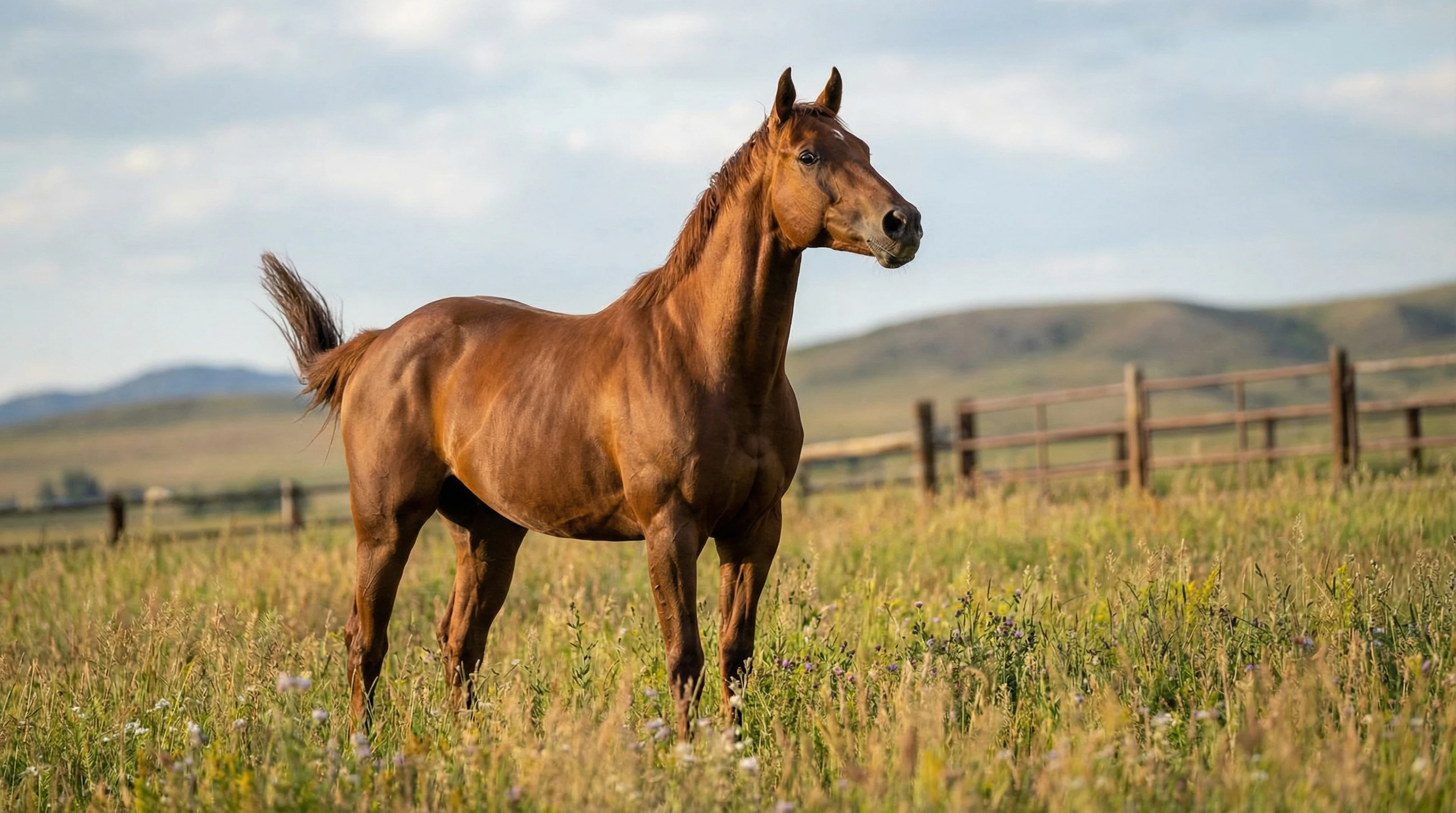
7 Common Behavior Issues In Horses And How To Address Them
Owning or working with horses is super rewarding, but it requires understanding their unique personalities and behavior patterns. Sometimes, there are issues that can be frustrating or even worrisome. Knowing how to spot common challenges and address them makes all the difference in building a strong, safe relationship with a horse. In this guide, I’ll share insights and practical solutions for some of the most frequent behavior problems in horses.
Understand Horse Behavior Basics
Before digging into specific problems, I find it really important to have a grasp of natural horse behavior. Horses are prey animals by nature, which means they’re always alert to possible dangers. Their responses, like bolting, kicking, or shying, are survival tactics. Most problem behaviors come from fear, confusion, pain, or unmet needs such as boredom or loneliness. Recognizing the root causes helps me respond calmly and choose the right solutions.
Horses rely heavily on body language to communicate. A swishing tail, flattened ears, or shifting weight can signal anything from irritation to fear. By paying close attention to these signals, I can often catch issues early before they escalate. Noticing changes in a horse’s normal reactions really helps me address problems before they get serious.
Top Behavior Issues in Horses and How I Address Them
No two horses are alike, but there are several common issues that many owners and riders run into. Spotting what’s going on is the first step. Once I know the likely cause, I can try practical steps to sort out the problem. Here are some of the most common trouble spots and how I handle them:
Spooking and Shying
When a horse spooks, it suddenly jumps or bolts away from something it thinks is scary. This might be a rustling bag, an unexpected animal, or even a fluttery jacket. Fear is usually at the root, and spooking is a horse’s natural way to stay safe.
- Why it Happens: Unfamiliar environments, sudden movements, or past traumatic experiences can set off spooking.
- How I Approach It: I start by introducing spooky objects in a controlled setting, letting the horse check them out at its own pace. Consistent desensitization, where I calmly expose the horse to the trigger and reward calm behavior, works well. Staying relaxed and using a confident, gentle voice helps the horse trust my leadership.
Biting
Biting is a behavior lots of horse owners encounter. Horses may nip for several reasons, like during play, if irritated, or when trying to show they’re the boss.
- Why it Happens: Sometimes biting is playful and just goes too far, but it can also mean the horse is feeling uncomfortable or anxious. I keep an eye on what’s happening in the environment to see if stress is causing it.
- How I Approach It: Being attentive to warning signs, such as pinned ears or wrinkled noses, lets me step in before a bite occurs. I don’t hand-feed treats to mouthy horses and use consistent boundaries, discouraging biting by stepping back or giving a gentle verbal cue to stop. Rewarding the behavior I want to see helps reinforce good habits.
Kicking
Kicking is a risky habit that can injure people or other animals. I see it’s often about fear, pain, or a way for the horse to set boundaries around other horses.
- Why it Happens: Nervousness, pain in the hindquarters, or feeling crowded might lead a horse to kick, especially if startled.
- How I Approach It: I build trust using groundwork and avoid sneaking up from behind. Making sure there’s no medical issue is key. Keeping my own movements clear and not crowding the horse helps cut down the risk.
Bolting
Bolting is when a horse charges off, sometimes at high speed, ignoring commands. This can be scary for both rider and horse. Horses bolt out of fright, excitement, or when trying to get away from something they dislike or fear.
- Why it Happens: Fear, ill-fitting tack, or a history of stressful situations may be behind this issue. Nervous horses sometimes try to escape by running.
- How I Approach It: I always rule out physical causes by checking the horse’s back and tack. I focus on groundwork, working on leading exercises and teaching the horse to stop on command. Riding in an enclosed area can help both the horse and me build confidence while tackling the problem step by step.
Bucking
Bucking can mean playfulness or excitement, but it’s also sometimes about discomfort. A horse that bucks under saddle may be trying to show pain or confusion.
- Why it Happens: Poorly fitting saddles, dental pain, or not understanding cues might be to blame. Sometimes, young horses buck as part of learning and testing their boundaries.
- How I Approach It: I always check tack fit and make sure there’s no pain first. Keeping riding routines predictable and communicating clearly helps reduce bucking. If I’m working with an inexperienced horse, I break training down into small steps, rewarding progress at every chance.
Weaving and Stall Walking
Horses kept in stalls for long periods might develop repetitive behaviors, like weaving (rocking sidetoside) or pacing. These signs of boredom or stress can get worse if not handled early.
- Why it Happens: Horses are social and active, and if they don’t get enough turnout or buddy time, behaviors like weaving can start up.
- How I Approach It: I go for regular turnout and make sure my horse gets time with other horses. Providing toys and keeping a regular routine makes a big difference. Sometimes, moving the horse to a stall with a better view or window helps keep them entertained, cutting down on stress-related behaviors.
Head Tossing
Head tossing can show up due to discomfort or anxiety. Horses might do it if a bridle doesn’t fit, if flies are bugging them, or if they’re stressed by confusing cues.
- Why it Happens: Discomfort, dental issues, or sensitivity to tack usually get head tossing started.
- How I Approach It: I get a dental check and look the tack over to sort out the cause. When needed, I address medical issues first. Making sure riding cues are clear and gentle, not confusing the horse, is part of my regular routine.
Get Ahead of Behavior Issues with these Prevention Tips
Stopping problems before they start is something I always try to work toward. Prevention is mainly about meeting the horse’s needs and keeping communication straightforward. Here are some key strategies I go by:
- Regular Exercise and Turnout: Horses need movement and some variety. Regular turnout reduces boredom, pent-up energy, and keeps behavior smoother.
- Consistent Routines: Horses thrive when they know what to expect. Sticking to reliable feeding and exercise schedules helps keep them steady and content.
- Clear Boundaries and Training: I go for clear cues and positive reinforcement, like treats or praise, from the start. This sets fewer traps for problem behaviors down the road.
- Healthcare: Regular checkups from the vet, farrier, and dentist cut down on pain-based behaviors. Healthy horses are usually happier and easier to manage.
- Environmental Enrichment: Toys, chances to be social, and a change of scenery give a horse’s mind something to do. Mixing things up keeps them happier and stops boredom in its tracks.
Things I Consider Before Reacting to a Behavior Problem
It’s easy to react fast when a horse acts out, but a few key points help me respond in ways that work. Here’s what I like to think through:
- Physical Health: I always look for pain, illness, or discomfort that might explain why a horse is suddenly acting up.
- Previous Training: It helps to know what the horse has learned before, so I don’t accidentally repeat mistakes or add to the stress.
- Horse’s Background: Nervous or mistreated horses may act out of fear. I use extra patience and reward calm behavior to help them settle.
- Safety: The safety of everyone comes first. Sometimes, getting help from an experienced trainer is the best call.
The Role of Patience and Calm
Patience and gentle steadiness do wonders. Horses take their cues from people who handle them. Losing my temper almost never helps. If I feel frustrated, I step back and take a deep breath before trying again. Calm and clear approaches nearly always give the best results.
Real-World Examples and Solutions
Putting these tips to work taught me a lot. For example, I once helped a mare who would bolt every time she was saddled. I first checked for back pain and swapped to a more comfy saddle, then worked on leading and rewarded her for calm around the mounting block. Her confidence got stronger, and the bolting faded away.
Another time, a young gelding suddenly started nipping during grooming. I figured out he picked up the habit from being handfed too many treats. Switching to feeding treats from a bucket and setting firmer boundaries got things back on track.
- Bolting Stops with Trust: Doing physical checks and consistent groundwork can make bolting a thing of the past.
- Biting Decreases with Boundaries: Fixing the cause and rewarding gentle responses makes a big difference.
- Stall Issues Improve with Turnout: Adding more turnout and keeping the environment engaging helps stall habits fade.
Frequently Asked Questions
Here are answers to some questions people often ask about horse behavior problems:
Question: What’s the first thing I should do if my horse develops a new bad habit?
Answer: First, I look for pain or physical discomfort. If the horse turns out healthy, I look at changes in the environment or routine that could be causing stress.
Question: Are behavior issues more common in certain breeds or ages?
Answer: It depends on the individual horse. Young horses and those in stressful or brand-new environments might act up more, but any horse can develop habits if its needs aren’t met.
Question: When should I call in a professional trainer?
Answer: If a problem puts anyone at risk of getting hurt, or if things don’t improve with basic fixes, calling a skilled horse trainer is a smart move.
Final Thoughts
Handling horse behavior issues is usually about patience, attention, and meeting the horse’s physical and emotional needs. Many challenges have simple fixes if I’m paying attention and willing to listen. Building trust and responding to what my horse is communicating can help our partnership get stronger.
Each horse teaches me something new. Staying flexible and open to learning means even tough behaviors can turn around, leading to a happier, safer horse on the other side.
Understanding horses on Amazon
Enjoy your equestrian journey! 🏇
Build Your Online Business
and Learn Affiliate Marketing
See you there!
Our Unique Value Propositions
Discover why Chwals GPT is the top choice for equestrians looking
to build their online presence (register for free)
Tailored Equestrian Expertise – Community Connection – Intuitive User Experience


