The Golden Age Of Carriage Horses From A Historical Perspective
Horse drawn carriages once filled the streets of cities and towns, carrying people, goods, and even mail from place to place. These elegant and powerful animals played a huge part in daily life for centuries, especially during the period commonly called the golden age of carriage horses. I think it’s easy to overlook just how much society once depended on these horses for transport, work, and even status. In this article, I’m giving you a historical perspective on the golden age of carriage horses. You’ll see how people lived with them, what made certain breeds stand out, and the glow-up that led to their peak and later decline.
How Carriage Horses Became an Everyday Sight
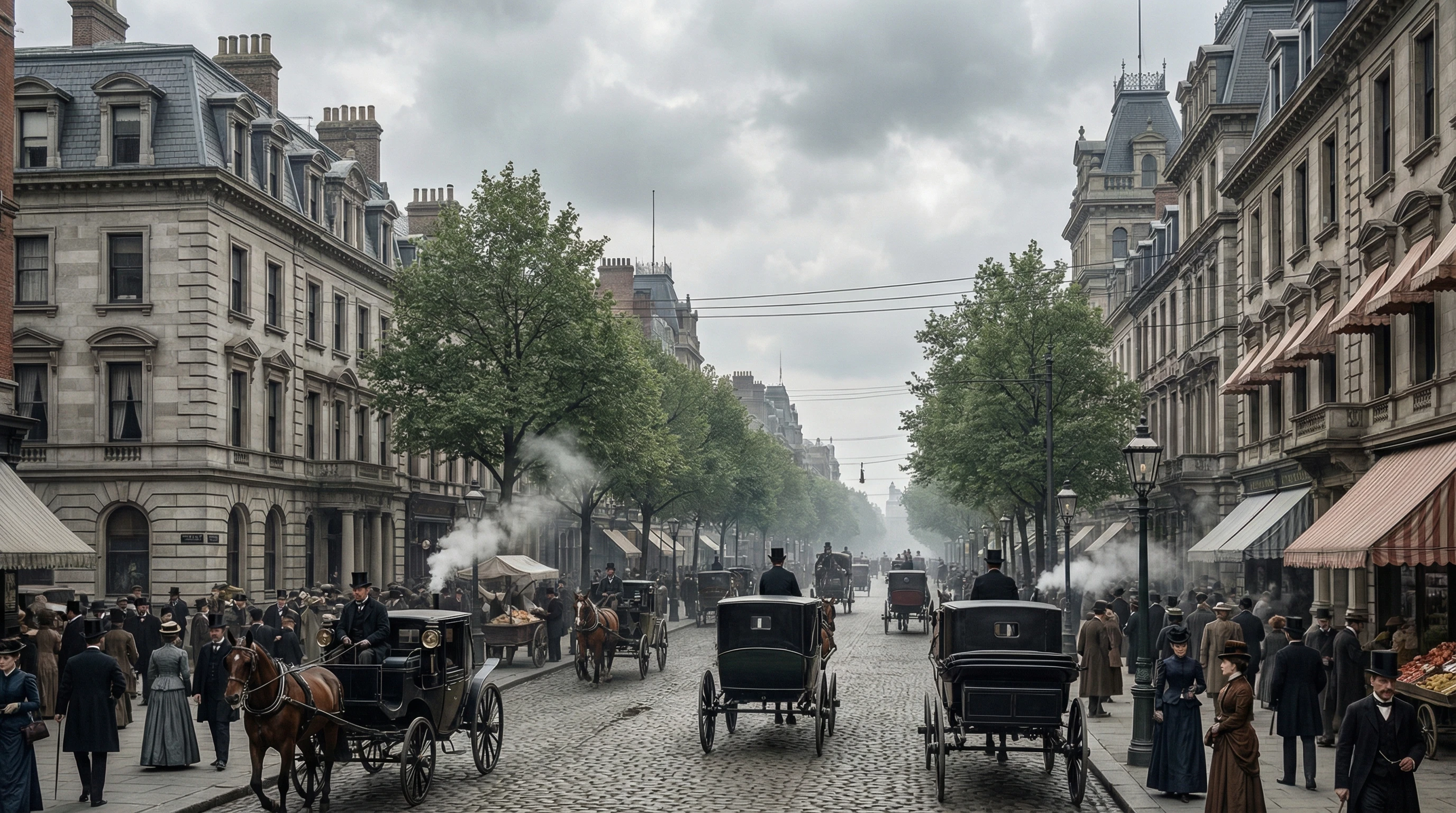
Carriage horses stood at the core of daily routines and city life in much of Europe and North America from the 1700s to the early 1900s. People relied on these horses for transport before cars and trams showed up. If you needed to get to work, visit someone across town, or transport goods to the market, you likely did it by carriage or wagon, with horses leading the way. This period marked the true height of horse drawn transport, sometimes called the “horse era.”
The populations of major cities surged, and people needed a dependable mode of transportation. Carriage horses filled that role perfectly. Livery stables and carriage services became common and essential. Some sources, like the U.S. Library of Congress, have documented how, in late 19th century New York City, more than 150,000 horses lived and worked within the city. You can check out more historical details from reputable sources such as the International Museum of the Horse (imh.org).
Along with their visible roles, horses shaped city infrastructure in subtle ways. Sidewalks and alleyways were designed with horses in mind. The sounds, smells, and sights of horse life became defining features of urban culture. In towns and growing cities, carriage horses were often the main link connecting rural producers to urban markets.
Key Breeds Driving the Golden Age
Certain breeds became famous for their strength, speed, grace, or temperament. Here are some of the most notable carriage horse breeds from this period:
- Cleveland Bay: Known for stamina and versatility. These horses were often the go to for coaches and town carriages.
- Hackney: Famous for a high stepping and eye-catching look, Hackneys were popular for formal and luxury gigs.
- American Standardbred: A breed that became well known in the United States for pulling lighter carriages at a brisk pace.
- Percheron: These powerful draft horses helped with larger commercial wagons and heavy loads.
I learned early on that matching a horse’s size and personality to the carriage and driving environment made a big difference in safety and performance. Experienced drivers knew which breeds fit city routines versus long distance travel.
Other breeds, such as the Friesian and Gelderlander, also had strong reputations in certain regions, often favored for ceremonial use or regional traditions. The best horses displayed not just physical stamina but calm attitudes and reliability under stress.
The Carriage as a Symbol of Status and Innovation
Carriages weren’t just practical vehicles. They were also symbols of personal wealth and social status. The type of carriage, how many horses pulled it, and how well they were groomed all signaled something about the owner’s position. There were many types, from simple gigs to the luxurious landau and the gold trimmed coach. Those who could afford to do so sometimes even hired liveries—drivers and footmen who dressed in distinct uniforms.
Designs got more sophisticated as time moved on. Spring suspensions made rides smoother, while better wheels and braking systems boosted safety. I appreciate looking back at technical drawings from that era. They show just how many small tweaks went into making travel more comfortable by carriage. Influential families had unique carriages built just for them, much like hiring a top designer for a car today.
With each passing decade, artistic details and engineering advances set new standards. Some carriages boasted intricate woodwork, special paint jobs, and advanced lamps for night travel. Savvy travelers and business owners paid close attention to the latest carriage trends, always looking to take their ride up a notch for both comfort and style.
How City Life Changed Around Horses
Having thousands of horses in crowded cities meant daily routines had to change. Early city planners constructed wide boulevards and cobbled roads with horses in mind. Water troughs stood on street corners. You might spot hitching posts outside shops, so customers could tie up their horses while they ran errands.
City workers took care of street cleaning, which included tons of manure every day. Street sweepers and stable workers found steady employment; at the same time, horse related waste and disease were challenges that early cities faced constantly. Veterinarians started to specialize in equine medicine. People got creative, developing new shoes for horses to get better grip or to manage the harsh stone streets.
The relationship between horses and the city affected more than transport. The rhythms of work, rest, and recreation followed patterns set by the presence and maintenance of so many horses. Markets opened at hours suited to farmers needing to drive in from the countryside. Even the city’s sounds and language picked up phrases inspired by horse culture.
Daily Routines and Riding Experience
Owning carriage horses took real commitment. Horses needed daily grooming, feeding multiple times a day, and health checks to keep them in top shape. If you lived during the golden age and relied on a carriage, you probably spent a good chunk of your budget on hay, oats, stable fees, and the workers to care for your animals.
Traveling itself was an experience that required patience and planning. Rides weren’t always quick, and drivers often watched for hazards like nail ridden boards, deep mud, or rough cobblestones that might injure a horse’s hoof. It usually took teamwork; both horse and driver had to trust each other.
I like to imagine how riders depended so much on the weather. Rain or snow could slow things down to a crawl, while long dry spells meant dust clouds trailed every passing carriage. In stories passed down in my family, older relatives talked about the rhythmic clop of hooves and how, in the quiet of a small town, you could hear horses coming from blocks away.
On longer journeys outside cities, travelers would plan rest stops at specialized inns, sometimes called coaching inns, built to give horses a break and offer meals to travelers. For many, the ride itself—leaning back, bundled warmly, watching the countryside slip by—was a rare treat or a routine part of life, depending on your social standing.
Challenges Faced by Carriage Horses and Owners
Life as a carriage horse came with real hardship. Working horses faced long shifts in every kind of weather. Injuries were a constant risk, from slipping on slick stones to developing lameness from overuse. Some owners were responsible and gentle, but others put too much strain on their animals by overloading carriages or keeping them on the street for too many hours.
- Traffic Jams: With thousands of carriages during rush hour, streets would get packed. Horses had to wait, just like cars do today. Some even refused to move without encouragement.
- Noise and Pollution: Between iron shod hooves, creaking wheels, and drivers shouting, city streets could be very noisy.
- Working Conditions: Horses often pulled loads from dawn to dusk. Humane societies eventually stood behind better treatment.
New laws appeared in the late 1800s and early 1900s to help protect working carriage horses. Societies like the American Society for the Prevention of Cruelty to Animals (ASPCA) began to push for these reforms.
Diseases, exhaustion, improper feeding, or neglect could mean a shorter life for some horses. Thankfully, popular support for animal welfare grew as people became more aware of these hardships and looked for ways to ease up the burdens faced by both horses and their handlers.
Tips for Understanding Historical Carriage Horse Life
If you’re curious about checking out this topic further, a few practical suggestions can help you connect with the historical world of carriage horses:
- Visit Historical Sites: Many open air museums and heritage villages have authentic carriages and conduct demonstrations with carriage horses.
- Read First Hand Accounts: Journals, letters, and newspapers from the 1800s often painted a vivid picture of what carriage life looked like at the time.
- Watch Restorations: Modern TV shows and YouTube channels sometimes show restoration projects for old carriages, which can be fascinating to follow.
Many stables today also keep traditional breeds and use authentic harnesses, letting visitors ride in historical carriages. It’s a hands on way to grasp the time and work needed to care for these animals.
You can also jump into learning about the craftspeople behind historic carriages. Blacksmiths, wheelwrights, harness makers, and stablekeepers all played key roles in keeping the wheels turning and horses healthy. Their stories highlight the skills and expertise required to support the busy world of horse drawn transport.
Frequently Asked Questions
Here are a few questions I come across regularly when talking about carriage horses of the past:
Question: When was the golden age of carriage horses?
Answer: The golden age is usually considered the period from the late 1700s through the late 1800s, peaking just before cars became widely available.
Question: What made certain breeds popular for carriages?
Answer: Breeds with good temperaments, stamina, and the ability to handle city noise and traffic were favorites. Hackneys and Cleveland Bays, for example, were both stylish and dependable.
Question: How did people look after carriage horses in cities?
Answer: Horses needed stables close to traffic routes, regular feeding, grooming, and plenty of water. City workers also provided fresh water and clean streets to help keep animals healthy.
Question: Are horse drawn carriages found anywhere today?
Answer: Yes; in some cities, historic districts, or parks, you might stumble upon traditional horse drawn carriages used for ceremonies or tours. These rides offer a glimpse into the past and help keep the tradition alive.
Question: Did carriage horses have set working hours?
Answer: While not like modern office jobs, horses typically worked long hours, with some getting breaks and others working all day, depending on owner practices. Reforms helped reduce overwork in the 20th century.
Looking Back and What Remains Today
With the rise of cars and public transportation, the number of carriage horses dropped quickly in the early 1900s. Only a handful of cities still keep horse drawn carriages for ceremonial purposes or tourism, like Central Park’s famous rides. What remains is deep respect for the role horses played in shaping towns, cities, and even national economies. Museums and living history centers work to preserve this legacy, so new generations can track down what daily life looked like with horses at the center of it all.
Exploring this golden age teaches me a lot about adaptability, creativity, and the important connection between people and animals. It’s eye-catching to see just how much horses shaped growing cities and changed lives in so many ways. Even though cars took their place, the carriage horse isn’t forgotten. They still stand as a symbol of endurance, partnership, and the era they helped define.
Whether you check in at a local museum, visit a living history farm, or just listen to the echo of hooves on city streets, the story of carriage horses will keep rolling on, reminding us of the teamwork and determination that drove society forward.
Chariots in Ancient Egypt on Amazon
Build Your Online Business
and Learn Affiliate Marketing
See you there!
Our Unique Value Propositions
Discover why Chwals GPT is the top choice for equestrians looking
to build their online presence (register for free)
Tailored Equestrian Expertise – Community Connection – Intuitive User Experience