
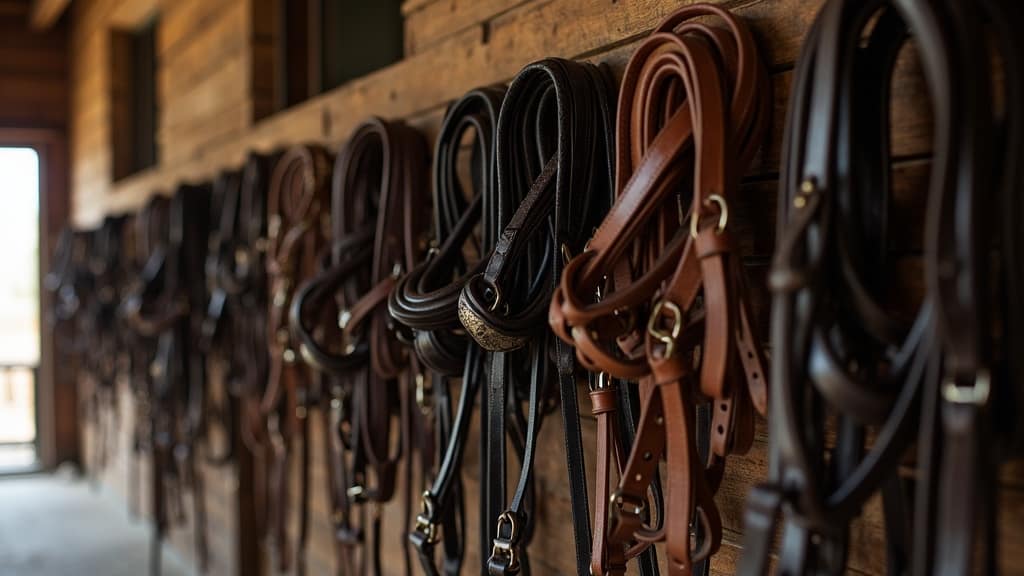
5 Different Types Of Bridles
Horseback riding brings together a mix of tradition, skill, and partnership with the horse. One piece of gear that often sparks a lot of questions is the bridle. Bridles come in different styles and serve several purposes, so getting to know the basics really helps both new and experienced riders. In this article, I’m walking you through the main types of bridles and sharing what makes each one unique so you can decide what’s best for you and your horse.
Why Bridle Choice Matters for Horse and Rider
A bridle is more than just a piece of leather on your horse’s head. It’s an important tool for safe and clear communication while you ride. Since not all bridles work the same way, choosing the type that’s right for your discipline, horse’s needs, and your experience level can make your rides smoother and more comfortable.
The horse tack market has grown steadily in recent years as riders look for both tradition and technology in their gear. Many experienced riders remember testing out different bridles to find the style and fit their horses responded to best. My own first riding lessons included a crash course in bridle parts, which made a big difference in confidence and safety from day one.
Get to Know the Main Types of Bridles
When I started learning about tack, all bridles looked similar at a glance. It turns out, there are several kinds, and each is designed for specific riding styles and goals. Here’s an overview of the most common bridles and the basics of what they do:
- Snaffle Bridle: Often the first bridle beginners use, the snaffle bridle is common in English riding disciplines like dressage and jumping. It features a simple bit and is known for gentle, direct contact.
- Double Bridle: Used mainly in advanced dressage and sometimes showing, the double bridle has two bits (a snaffle and a curb) and two sets of reins. It allows for more subtle communication, but also needs more skill to use.
- Figure Eight (Grackle) Bridle: A variation on the snaffle that’s handy for horses who open their mouths or cross their jaws. The straps cross over the nose in a figure eight pattern, giving more control without being harsh.
- Western Bridle: Designed for Western disciplines, these bridles usually work with curb bits but sometimes have no noseband at all. Styles range from simple to decorative with silver conchos and tooling.
- Bitless Bridle: For horses who are sensitive to bits or riders who prefer not to use them, bitless bridles use pressure on the horse’s nose, jaw, or poll (the top of the head) to offer guidance instead.
Each style brings a slightly different feel to your rides, and switching between them sometimes takes a bit of trial and error. When my friend swapped from a snaffle to a bitless bridle for her sensitive gelding, she saw a noticeable difference in his comfort and willingness to work. Some riders also find that trying various noseband types, such as the drop or flash noseband, can give a boost to their horse’s attention and performance. Local tack shops often have demo bridles or fitting events, which lets you check out new styles before committing.
Parts of a Bridle Explained
With all the types out there, understanding the main parts of a bridle is really important. No matter the style, most bridles share a few basic parts:
- Crownpiece: The strap that goes over the horse’s head, resting behind the ears.
- Browband: Sits across the horse’s forehead to keep the bridle in place.
- Cheekpieces: Run down the sides of the horse’s face, connecting the bit to the crownpiece.
- Noseband: Fastens around the horse’s nose to prevent certain behaviors (like opening the mouth to evade the bit) and keep the bridle steady.
- Throatlatch: Keeps the bridle from slipping off over the ears.
- Reins: Straps held by the rider to send signals to the horse.
Western bridles are often simpler and may skip the noseband or browband altogether, while English bridles usually include both. Double bridles use extra cheekpieces and two sets of reins to manage two bits at once, which is why they can look pretty complicated at first glance. If you ever get a chance, check out a sidepull or hackamore version, which changes up nose pressure points and offers a unique riding experience for horses with mouth issues or young colts in training.
How to Choose the Right Bridle for Your Horse
The way a bridle fits and functions impacts everything from your horse’s comfort to your ability to communicate smoothly. Here are some points I always consider when picking or recommending a bridle:
- Fit: The bridle needs to be adjusted to sit comfortably and securely on your horse’s head. Look for padded headpieces or anatomical designs if your horse is sensitive behind the ears or on the poll.
- Discipline: Think about what you want to do—jump, trail ride, participate in dressage, or compete in Western events. Some shows and sports have rules about acceptable bridle styles or bits.
- Horse’s Experience and Sensitivity: Young horses or those easily upset may do better with simple snaffle or bitless styles. More advanced or strong horses might benefit from a double bridle or curb setup, with careful, skilled handling.
- Materials and Maintenance: Leather is traditional and longlasting if cared for properly, but synthetic options are lighter and easier to clean. I’ve used lightweight synthetic bridles for muddy trail rides and saved my nice leather for competitions.
Each horse is unique, and sometimes getting advice from a trainer or tack specialist makes a noticeable difference. Comfort and communication are top priorities, so watching for signs of rubbing, resistance, or soreness is super important, too. If you notice your horse tossing its head or becoming fussy with the bridle, it’s worth checking or adjusting the fit, as even small changes can have a lasting effect on your horse’s willingness to work and learn.
Common Troubles with Bridles (and Simple Fixes)
Even with the right bridle, little problems can still pop up. Here are some challenges I’ve seen often, with tips for handling them:
- Pinching or Rubbing: Check for rough stitching, sharp buckles, or spots where straps might dig into your horse’s skin. Padding, anatomical designs, or smoother materials can help.
- Poor Fit: Bridles come in sizes (pony, cob, full/horse, and oversize). Mixing and matching parts or using adjustable straps helps with horses that don’t fit standard sizes well.
- OneSidedness or Resistance: If a horse doesn’t respond evenly, doublecheck your fit and consider a gentler bit, or try a bitless option to see if comfort improves.
- Difficulty Bridling: Some horses shy away from certain parts of the bridle out of habit or discomfort. Practicing slowly, rewarding calm behavior, and making sure the bridle doesn’t pull hair or pinch makes every ride start more smoothly.
I’ve learned the hard way that skipping regular cleaning and checks can lead to broken buckles or wornout leather at the worst possible time, so keeping tack in good shape is one of my top riding habits. Tack checks before and after rides are a great habit to nurture, as repair and replacement on your schedule is better than dealing with equipment failure during a show or on the trail.
Bit-Related Concerns
Sometimes a horse objects to a certain type of bit or reacts to bits in general. Experimenting with bitless options or changing mouthpiece thickness can resolve a lot of subtle training issues. Every horse responds in a slightly different way, which is why keeping an open mind and seeking help is so important. Don’t be afraid to reach out to equine dentists or veterinarians if bit comfort remains a persistent problem, as dental health sometimes plays a role in acceptance of the bit.
Leather Care and Longevity
Leather bridles look sharp and can last years if maintained. Wipe down tack after every few rides, treat cracks or dryness with leather conditioner, and check stitching regularly. If you ride in wet weather or humid conditions, storing your tack somewhere cool and dry helps prevent mold and mildew. Consider rotating two bridles so you always have a backup and can rest one between heavy uses, especially if you compete or ride often.
Making smart choices about bridles means a lot for both horse and rider comfort. Gear that’s chosen with care can turn a tough ride into a more enjoyable and productive training session. Talking with your peers and sharing your experiences can help others find the best fit for their horses, too.
Advanced Tips for Matching Bridles to Training Goals
When I work with different horses or step up to a new discipline, I often adjust the bridle setup for specific tasks. Here are a few tips that have made a real difference in my own riding and training sessions:
Fine-Tuning Fit: Spend time doublechecking the adjustment of each strap, especially after the first few rides in a new bridle. Even a small tweak can improve comfort and control. It’s worth measuring your horse and keeping notes, so future purchases are smoother.
Listening to Your Horse: Pay attention to your horse’s reactions after switching bridles or bits. Headtossing, jaw clenching, or refusing the bridle are all signs something’s not right. Sometimes, stepping back to groundwork and reintroducing the bridle slowly can ease concerns.
Mixing Bridles for Cross Training: If your horse does a little bit of everything—trails, jumping, and even occasional dressage—it’s helpful to have more than one bridle on hand, each fitted for different activities. Swapping between a simple snaffle for lessons and a figure eight for show jumping can give your horse the edge they need in each setting.
Trying Anatomical Designs: Newer bridles use shapes inspired by the horse’s head and nerves to distribute pressure more evenly and avoid sensitive spots. I’ve seen horses relax their necks and move more forward when switching to ergonomic bridles. Ergonomic styles have picked up in popularity as more research goes into horse comfort under tack.
Consulting Pros: Trainers, saddle fitters, and even veterinarians can spot quiet signs of bridle discomfort and suggest small changes with big payoffs for your rides. Don’t hesitate to ask for a second opinion when in doubt—small tweaks make big differences.
Popular Uses for Different Bridles
Here are some realworld examples of how different bridles help horses and riders meet their goals:
- Dressage: Snaffle and double bridles are required at different levels for refined, subtle communication between horse and rider.
- Jumping: Some riders use figure eight or flash nosebands to keep horses focused and prevent bit evasion at speed.
- Western Riding: Oneear and splitear Western bridles look simple but are paired with special bits to let horses work cattle or perform patterns with just the lightest cue.
- Trail Riding: Many trail riders use padded bridles or bitless options for longer comfort over varied terrain.
I’ve seen how the right bridle choice can give a horse the confidence to try new things, or help a nervous rider feel more in control during lessons and out on the trail. Experienced trainers often carry a few styles in the tack room, knowing that some horses need a change to really shine during shows or tough lessons.
Frequently Asked Questions
When picking out a bridle, a lot of riders have similar questions. Here’s what I hear most often:
Question: How do I know if my bridle fits my horse?
Answer: The bridle should sit smoothly against your horse’s face with about two fingers’ width under the throatlatch and no pinching at the nose or poll. Help from an experienced friend or trainer can make the fitting process easier. Check for even pressure and ensure that all straps are adjusted equally on both sides of the head.
Question: Can any horse use a bitless bridle?
Answer: Most horses can adjust to a bitless setup, but it’s smart to introduce it gradually and watch for changes in control or comfort, especially if you plan to keep riding in groups or busy arenas. Start in a safe enclosed area and pay close attention to your horse’s response as you switch equipment.
Question: What’s the difference between a snaffle and a curb bit?
Answer: A snaffle bit acts on direct pressure, giving a clear, mild signal, while a curb uses leverage for stronger cues. Different bits are suited to different disciplines and training stages. Try out different bits under expert guidance if you’re not sure which is best for your horse.
Start Your Own Bridle Collection
As you ride more and learn about your horse’s preferences, building up a small collection of bridles gives you the flexibility to match each ride to the activity and your horse’s mood. Comfortable, wellfitting tack helps keep your partnership with your horse strong and enjoyable day after day.
Spending time to understand different bridle types pays off, whether you’re riding the trails, training for competition, or just enjoying a quiet afternoon at the stable. New developments in tack design continue to offer more comfortable and effective solutions for both horse and rider, so keep an eye out for innovations in your tack store or from trusted trainers. Staying informed helps you make the best choices for you and your horse—happy riding!
Happy riding! 🐎
Build Your Online Business
and Learn Affiliate Marketing
See you there!
Our Unique Value Propositions
Discover why Chwals GPT is the top choice for equestrians looking
to build their online presence (register for free)
Tailored Equestrian Expertise – Community Connection – Intuitive User Experience


