Transport Horses And Buy The Best Trailer
Transporting horses safely means getting the right trailer for both my needs and the comfort of my horse. Shopping for a horse trailer can feel overwhelming with so many choices on the market, different designs, and important safety features to consider. Picking the right trailer is really important, not only for convenience but to protect my horse’s health and well-being on the road.
I found myself comparing brands, worrying about tow capacity, and rethinking whether I needed a straightload or slantload trailer. There’s a lot to keep in mind, but the process gets easier once I break it down into practical steps. By learning about trailer types, safety features, maintenance needs, and legal considerations, I’m able to make a purchase that I feel good about. That keeps my horse safe and my trips stress-free.
This guide covers what to look for in a horse trailer, how to match it to my needs, and how to be confident in my choice no matter if I’m new to trailering or looking to upgrade. You’ll also pick up a few tips from real owners and expert advice along the way, making this an all-in-one resource for stepping up your horse trailer game.
Know What You Need in a Horse Trailer
Before I browse listings or dealership lots, I need to decide exactly what will fit my transport routine and my horse’s comfort. The right trailer for local trips isn’t always the same as what I’d buy for cross-country hauls. Getting specific about my goals saves time and helps narrow down my options. It’s smart to take a few notes on my typical travel style and what comforts matter most to my horse, so I know what to prioritize.
Questions I Ask Myself:
- How many horses do I need to transport at once?
- What breed and size are my horses?
- What kind of vehicle will I use for towing?
- How far and how often will I travel?
- Do I need extra storage for tack, feed, or supplies?
Common Horse Trailer Types:
- Straightload: Horses stand facing forward. Popular for ease of loading and unloading, especially for just one or two horses.
- Slantload: Horses stand at an angle to the direction of travel, often fitting more horses in the same trailer length. Some horses prefer this, but it’s good to check if my own horse loads comfortably in this style.
- Bumper pull: Towed with a standard hitch, these work for smaller rigs and are easier to maneuver for local trips.
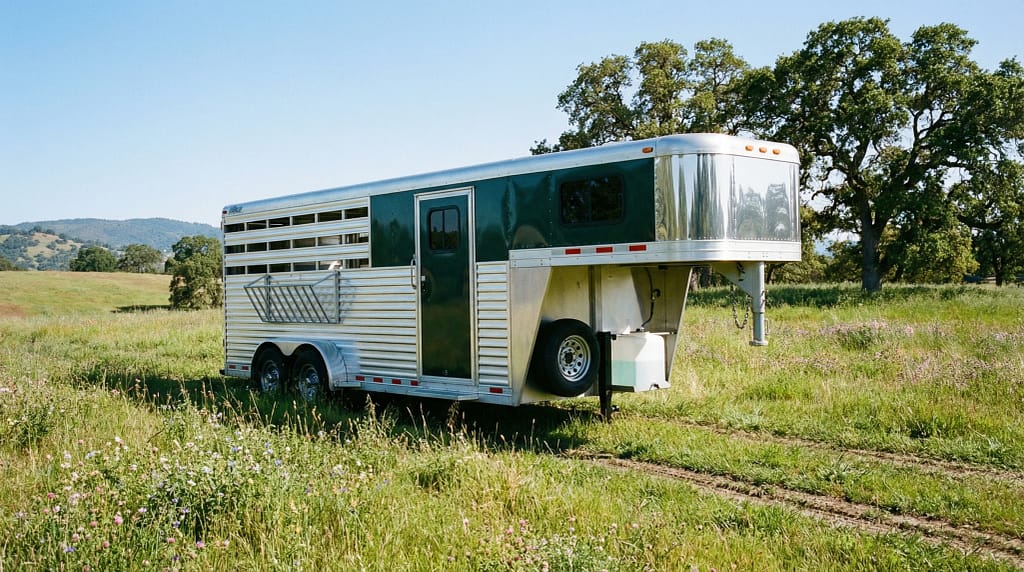
- Gooseneck: Provides more stability and space, making it a favorite for longer hauls or multiple horses. Requires a pickup truck with a gooseneck hitch.
Once I know my main priorities, it’s easier to start comparing models and brands that fit my needs. By talking to fellow equestrians and reading up on different options, I gain peace of mind before making a final selection.
Prioritize Safety and Comfort Features
Making sure my trailer is safe and comfortable helps keep my horse relaxed and healthy. I look for specific features that improve ventilation, lighting, and security on the road. Safety and comfort work hand in hand; a relaxed horse travels better and arrives ready for anything, from casual trail rides to high-stress competitions.
Horse Comfort Features:
- Ventilation: Adjustable windows, roof vents, and open sides keep the trailer cool on hot days. Good airflow makes a huge difference, especially for longer trips. In colder weather, look for trailers with draft-resistant designs to avoid chills while maintaining ventilation.
- Lighting: Bright interior lighting helps my horse see better in unfamiliar spaces and makes loading safer in low light.
- Padding: Wall, divider, and floor padding protects against bumps and reduces stress. Nonslip flooring keeps horses steady in transit.
Important Safety Features:
- Sturdy latches and doors: Secure, easy-to-operate doors keep horses safe and make loading simpler.
- Escape doors: Allow me to exit the trailer safely in emergencies. Good placement of escape doors can make all the difference if something unexpected happens.
- Brake and signal lights: Vital for being seen by other drivers. I always check these before every trip. Replace bulbs or fuses as part of regular maintenance to avoid roadside problems.
- Dividers and chest bars: Keep horses separated and prevent jostling, especially on winding roads.
Looking for these safety and comfort elements helps my trips run smoother and keeps my horse happy. It also means fewer worries for me as I focus on the drive.
Understand Legal and Compliance Requirements
Making sure my trailer meets all legal requirements helps avoid fines and keeps every trip safe. Different states and regions have their own rules, so I check local laws before buying or using a trailer across state lines. If I travel for shows or clinics, I research requirements in all states I’ll pass through so there are no surprises at checkpoints or weigh stations.
Points to Keep in Mind:
- Check weight restrictions for my towing vehicle and trailer.
- Confirm that my trailer has working brake lights and turn signals.
- Know registration, plate, and inspection requirements for both trailer and tow vehicle.
- If traveling across borders, confirm documentation and health paperwork needed for my horse.
- Make sure I have the right type of insurance for my rig and horses.
Planning ahead helps avoid delays and keeps my transport trips hassle-free. I keep a folder with copies of my horse’s health records and any permits just in case they’re needed at a moment’s notice.
Choose the Right Size and Fit
Horses feel safest in trailers that fit them comfortably. Too small, and my horse might feel anxious or risk injury. Too big, and a horse can lose balance during stops and turns. My trailer’s design must allow for natural movement, as well as enough space for safe unloading—especially in new or busy environments.
How to Measure for the Best Fit:
- Measure my horse’s height at the withers and length from chest to tail.
- Check that the trailer offers enough headroom and width for free movement.
- If transporting multiple horses, make sure each stall has enough divider width and length for each animal.
- Test load if possible before finalizing purchase, to see how easy it is for my horse to enter and turn.
Dealers often let me bring my horse to try loading, which is a great way to make sure the trailer fits comfortably. Don’t forget to check ramp height and door clearances if you have a horse that’s wary of new spaces.
Inspect Trailer Construction and Materials
A horse trailer endures a lot of wear and tear. Quality construction protects my investment and keeps my horse safer over years of use. I pay attention to both frame structure and interior materials. In wetter climates, prioritizing rust-resistant materials can save headaches down the road, while reinforced construction is a plus if you frequently travel on rough or gravel roads.
Things I Check:
- Frame: Most trailers are made of steel, aluminum, or a combination. Steel is very strong, but heavy and prone to rust. Aluminum is lighter and resists rust better, but may dent more easily. Consider where I’ll store my trailer and how much maintenance I want to take on.
- Floors: Solid wood or aluminum floors are common. I always lift the mats to check for any signs of rot or corrosion that might not be visible at first glance. Good-quality mats can help protect these floors, so I renew them before they wear thin.
- Roof and walls: Look for leaks or patches. Water damage leads to mold and weakens the trailer over time.
Ideally, I buy from brands with good reputations and check owner reviews on forums to get an honest sense of trailer quality. Local horse clubs can be a great resource for finding out which brands hold up best over time in your region.
Consider Maintenance and Practical Upkeep
Even the best trailer needs regular maintenance. I try budgeting for small repairs or upgrades after purchase. A well-maintained trailer saves money and stress in the long run. Adding simple upgrades, like easier-to-clean removable mats or better interior lighting, can also give a boost to daily use.
My Routine Maintenance Checklist:
- Check, clean, and grease wheel bearings regularly.
- Inspect tires for wear and keep them properly inflated.
- Clean out waste and bedding from interior after each trip.
- Test electrical connections before traveling.
- Look for rust, loose bolts, or sharp edges that might injure my horse.
Most trailer dealerships offer maintenance packages or can refer me to trusted local shops. I find it easiest to schedule service at the start and end of each transport season. Regularly cleaning your trailer, inside and out, not only extends its lifespan but also makes it more likely you’ll spot issues early before they become costly problems.
Frequently Asked Questions About Horse Trailers
What size trailer do I need for my horse?
A standard trailer typically fits horses up to 16 hands. Bigger horses, like drafts or warmbloods, need extratall and extrawide versions. I measure my horse before shopping to make sure the fit is comfortable. Don’t forget to factor in any added gear or tack you may be bringing along, which can affect stall space.
Is it better to buy new or used?
A new trailer usually comes with a warranty, which adds peace of mind, but I’ve found well-maintained used trailers can offer great value. I always do a thorough inspection or have a mechanic check over any used trailer before buying. There are also certified pre-owned options at some dealers, which offer added assurance without new-trailer prices.
What kind of truck do I need?
My towing vehicle must be rated for the total loaded weight of trailer, horses, and all gear. I consult my truck’s manual and add a little buffer in towing capacity for extra safety. It’s wise to factor in the weight of any additional water, feed, or other animals you may transport, just so you’re never caught short on power or braking ability.
Next Steps for Confident Horse Travel
Horse transport is easier and less stressful once I know my trailer fits my budget, my horse, and my lifestyle. I keep safety, durability, and comfort at the top of my mind with every decision. Investing a little time up front helps protect my horse and create a smoother experience, whether I’m traveling to shows, clinics, or new trails. Remember to check all documentation, perform a test run before long trips, and stay connected to local equine communities for advice. A good trailer is a long-term partner on your riding adventure—choose wisely, ask plenty of questions, and you’ll travel with confidence.
Quick Checklist for Buying a Horse Trailer:
- List my key needs and what I’ll transport most often.
- Decide on size and type for my horse and truck.
- Inspect for safety features and overall construction quality.
- Budget for maintenance and registration.
Do you have a specific trailer brand or feature that works well for your horse? Feel free to share your experiences below!
Registration and insurance card holder for horse on Amazon
Build Your Online Business
and Learn Affiliate Marketing
See you there!
Our Unique Value Propositions
Discover why Chwals GPT is the top choice for equestrians looking
to build their online presence (register for free)
Tailored Equestrian Expertise – Community Connection – Intuitive User Experience