
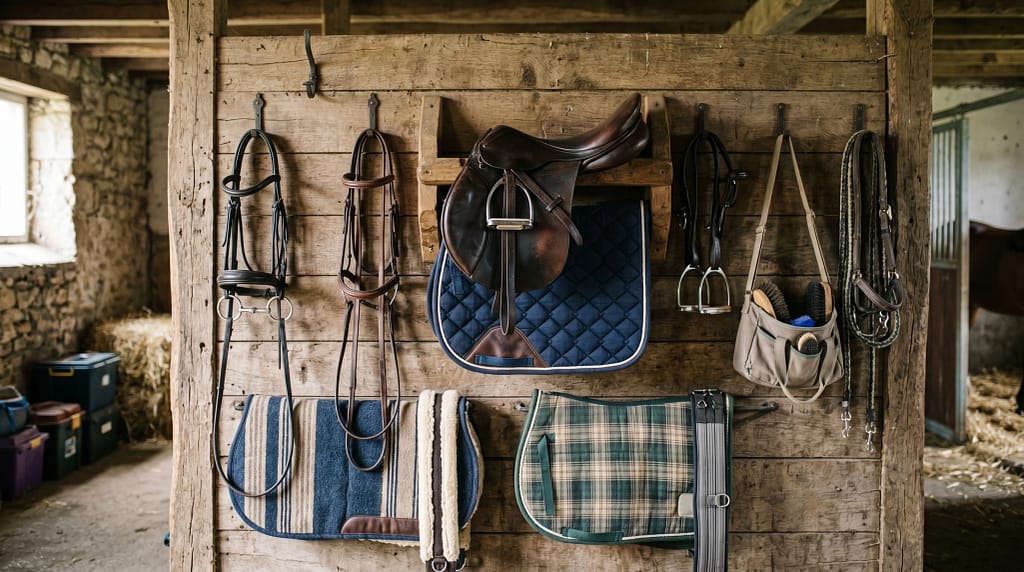
Choose The Right Horse Riding Equipment And Tack
Getting the right horse riding equipment and tack isn’t just about looking the part. It’s core to comfort, safety, and ensuring your rides are enjoyable for both you and your horse. Whether you’re hitting the trails on weekends or gearing up for a competition, choosing the right gear shapes every experience in the saddle.
I remember when I picked out my first tack set. There seemed to be endless options and so many details to navigate. Over years of riding and learning, I’ve discovered what really matters. In this guide, I’ll walk you through the main types of horse riding equipment, what features to look out for, and how to make choices that suit your style, your horse, and your riding aspirations.
Start with the Basics and Understand Tack Categories
Before you start shopping, familiarize yourself with what each piece of tack does and how it fits with various riding styles. Tack includes all the equipment used to ride, handle, or care for your horse—like saddles, bridles, girths, stirrups, and beyond.
Main Horse Riding Equipment:
- Saddle: Sits on your horse’s back and supports you while you ride.
- Bridle: Holds the bit and helps you communicate with your horse.
- Bit: Sits in the horse’s mouth to help with steering and stopping (optional for some riding disciplines).
- Girth or Cinch: Keeps the saddle from slipping.
- Stirrups: Where your feet rest as you ride.
- Reins: Enable you to guide and signal your horse.
Protective gear such as saddle pads, boots, and helmets also give a boost to safety and comfort. Each item comes in options tailored to Western, English, or other riding styles. It’s important to get a feel for what your discipline prefers or requires.
How to Choose a Saddle that Fits
A well-fitting saddle is more than just a supportive seat. It prevents back pain for your horse and makes long rides much more pleasant. Both the size of the saddle and how it sits on your horse matter.
What to Look For:
- Discipline: English and Western saddles differ in shape. Trail or endurance saddles usually feature extra padding for comfort.
- Tree Size: The “tree” is the frame inside the saddle. It must match your horse’s back width and shape closely.
- Seat Size: Choose a seat size that suits your height and comfort. If caught between sizes, try both to see which one feels right.
- Condition and Materials: Leather saddles last, but cost more. Synthetic saddles are lighter and often make sense for new riders or when traveling.
Testing a few saddles before you buy is smart. Many local tack shops offer trial rides. Ask a knowledgeable friend or trainer to look over the fit with you, so you start off right.
The Role of the Bridle, Bit, and Reins
Bridles and bits are your key ways to communicate with your horse. There are lots of choices, and not all horses are the same. Some ride best with a simple snaffle, while others need a different bit due to mouth shape or personality.
Key Points:
- Bridle Fit: Your bridle should never pinch, rub, or hang too loosely. Leather has a classic feel, while modern materials are often easier to keep clean.
- Choosing a Bit: Start simple if you can. Gentler bits suit most horses, unless training reasons need a stronger option.
- Reins: The right length and width are crucial. Leather offers a traditional feel; rubber or webbed grips are great for wet weather or beginners.
If you’re unsure how to adjust a bridle or which bit is best, pay attention to your horse’s responses. Head tossing or refusal often means something needs changing. Small signs of discomfort are clues you should swap or adjust your equipment.
Accessories, Pads, and Safety Gear
Saddles and bridles get lots of attention, but accessories like saddle pads, girths, belly bands, and boots truly make a huge difference. These items step up the cushion, protection, and stability for your horse.
Saddle Pads
A saddle pad with solid thickness cushions your horse’s back and helps prevent the saddle from shifting. Sheepskin and gel pads are go-tos for sensitive horses and longer rides.
Leg Boots and Wraps
If your horse tends to overreach or has joint considerations, boots and wraps guard against scrapes and help ease up strain. Ventilated boots will also help legs stay cool during workouts.
Girths and Cinches
The right girth or cinch holds your saddle steady and keeps your horse comfortable. Neoprene, fleece, or leather all offer solid options, depending on your climate and how much you ride.
How to Fit Tack Properly? A Step-by-Step Guide
Buying new gear is just the start. Getting it to fit right is where it pays off with happy, stress-free rides. Here’s my practical checklist:
- Place the saddle softly on your horse’s back. There shouldn’t be pinching or rocking.
- Check for proper wither clearance (about two to three fingers underneath).
- Girth or cinch should be snug but not too tight. Fasten in the right slot for your discipline.
- Bridle nosebands and browbands shouldn’t dig in. Make sure both sides are even.
- The bit in the mouth should create just one or two small wrinkles at the corners. Anything more or less might be uncomfortable.
Notice rubbing, hair loss, or irritability when tacking up? Something likely needs adjusting. I double-check everything those first few times with new tack. Don’t be shy about rechecking for a better fit.
Common Questions & Answers
Do I need the most expensive tack to ride well?
Quality matters, but you definitely don’t need the priciest brands. A quality midrange saddle or bridle, taken care of, lasts for years and gives most riders the comfort and support they need.
How often should I replace equipment?
Watch for cracks, stretched holes, or broken stitching—replace tack if those show up. Pads should be washed after lots of use, and girths can wear out quickly with frequent riding. Quick checks before every ride help you catch issues early.
What about secondhand tack?
Used tack is a budgetfriendly way to upgrade. Always check for rot or serious wear, and confirm fit before long rides. You can stumble upon quality gear at reputable shops or online equestrian forums.
My Tips for Picking and Maintaining Your Gear
I usually try out gear in the shop, or borrow from friends, whenever possible before making a commitment. Pay attention to return policies and put the fit to the test once you’re at your barn. Regularly cleaning tack and storing it in a cool, dry spot stretches its lifespan. Leather needs routine conditioning, while most synthetic gear just wants a good rinse to get rid of dust and sweat.
Checklist for Buying Tack:
- Check fit for both you and your horse (try it, then tweak at home).
- Always ask about return or exchange options.
- Look for padding that’s soft, smooth stitching, and strong buckles.
- Keep gear clean and double-check for wear frequently—every week, if you ride often.
Whenever you feel unsure, get someone knowledgeable to look over your tack fit or give their thoughts. Most experienced riders and trainers are happy to lend a hand. A comfortable horse absolutely means better rides for you, too.
Are you planning your next tack upgrade? Share your stories or questions below—I look forward to hearing what works best for different riders and horses!
Shop Tips
Enjoy your equestrian journey! 🏇
Build Your Online Business
and Learn Affiliate Marketing
See you there!
Our Unique Value Propositions
Discover why Chwals GPT is the top choice for equestrians looking
to build their online presence (register for free)
Tailored Equestrian Expertise – Community Connection – Intuitive User Experience


