Step By Step Horse Training Techniques For Novice Riders
Getting started with horse training can feel a little overwhelming, especially for new riders. There’s a lot to learn, both for you and the horse, and it takes patience, consistency, and a willingness to keep learning along the way. With the right techniques, you can build trust, improve your skills, and create a positive experience for both you and your horse.
In this guide, I’m breaking down horse training into practical steps that work well for beginners. It’s all about understanding your horse, setting up safe routines, and building a solid foundation. Every horse, and rider, learns at their own pace, so go slow, ask for help when needed, and celebrate the little wins along the way.
All the horse training techniques I’m sharing are designed for safety and simplicity, helping novice riders develop good habits from day one. They’re also widely recommended by horse trainers and use methods that keep both horse and rider relaxed and confident. Some may wonder how to motivate a horse to try new things—patience is key, along with lots of gentle encouragement. Let’s check out each step to set you and your horse up for success.
Step 1: Know Your Horse
Before you start any formal training, it’s important to get to know your horse. Horses each have unique personalities; some are calm and curious, others are more cautious or energetic. Spending time just being with your horse helps you become familiar with their body language and behavior.
Ways to Build a Connection:
- Groom your horse daily: brushing, picking hooves, and checking for cuts or scrapes.
- Spend quiet time together. Hang out in the stall or pasture so your horse gets used to your presence.
- Offer treats and speak gently to encourage a relaxed relationship.
Understanding your horse’s mood and signals makes training smoother and keeps everyone safer. As you build rapport, you’ll spot how your horse communicates with its ears, eyes, and posture. Taking notes about your horse’s favorite treats or what makes them nervous can help you adjust your approach over time, making every session a positive experience.
Step 2: Set Up a Safe Training Area
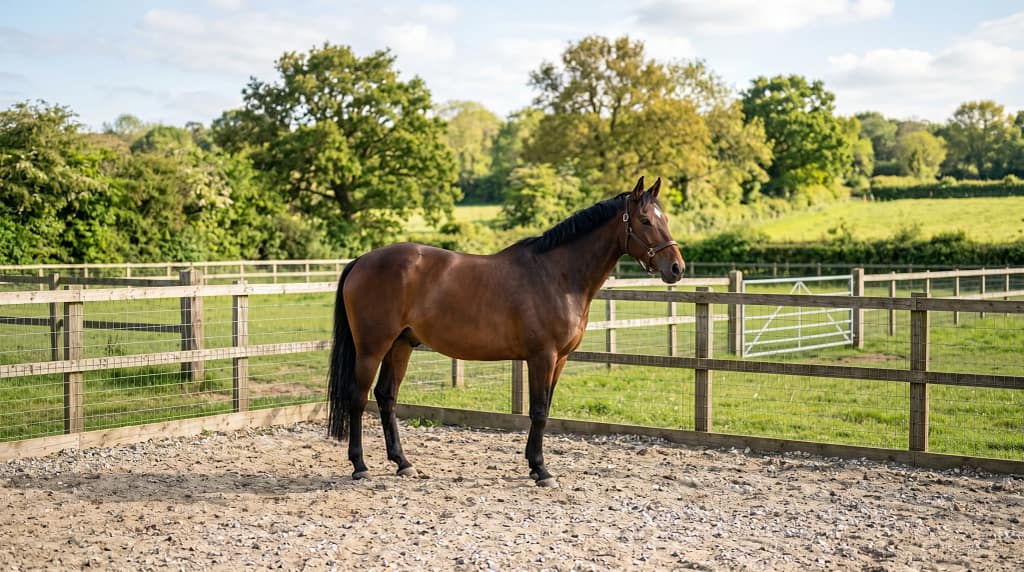
Having a safe, distraction-free area for training is really important, especially when you’re still getting the hang of things. Most trainers recommend using a round pen or a small paddock. These spaces help your horse focus on you and give you more control if your horse gets distracted.
What Makes a Good Training Space?
- Even, nonslippery footing that’s not too hard or rocky
- Sturdy, secure fencing
- No sharp objects, clutter, or low hanging branches
Training in the same spot each time helps your horse know what to expect and builds good habits. Also, having good lighting and easy access to water will make the time enjoyable for both of you. If you don’t have access to a round pen, a corner of a pasture can be set up as a temporary training area, as long as it’s secure and free from anything that might startle or injure your horse.
Step 3: Master Basic Handling and Groundwork
Groundwork builds communication, trust, and respect between you and your horse. It’s super important before hopping in the saddle. Groundwork also gives you a safe space to correct little problems before they get bigger.
Core Groundwork Techniques:
- Leading: Walk beside your horse’s shoulder, using a lead rope. Your horse should stop and start with you, without rushing ahead or lagging behind.
- Backing Up: Ask your horse to take a few steps backward with gentle pressure on the lead, paired with a clear verbal cue like “back.”
- Yielding the Hindquarters: Encourage your horse to step its back legs away from you by pressing lightly on their side or shoulder; use clear cues and reward with praise.
- Lunging: Use a lunge line to encourage your horse to move in a circle around you. This helps build fitness and focus, and helps your horse listen to your voice commands—walk, trot, canter, and halt.
Try short sessions, about 10-15 minutes, focusing on one or two skills at a time. Consistent, gentle pressure followed by release signals to the horse that they did the right thing. Remember, some horses may pick up on these skills quickly, while others need repetition and extra patience from you.
If you struggle with a particular groundwork skill, don’t hesitate to reach out to an instructor or experienced horse person for guidance. Watching demonstration videos or attending clinics can also help you visualize the steps before you try them with your own horse. Over time, these exercises lay the groundwork for advanced work under saddle, making everything easier and safer as you progress.
Step 4: Introduce Basic Riding Skills
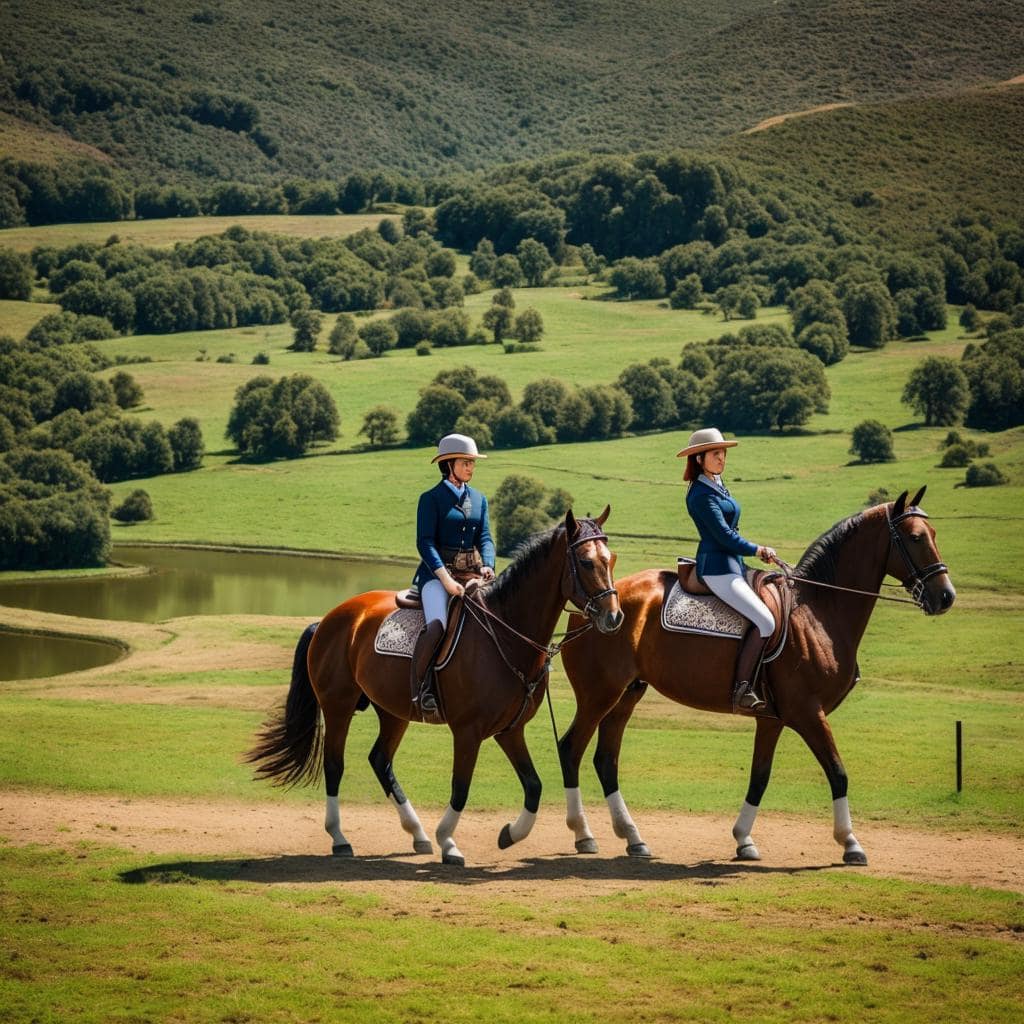
Once groundwork is going well and your horse is relaxed around you, it’s time to start basic riding. Always wear a helmet and ask for help from an experienced rider if you’re unsure about anything. Safety for you and your horse comes first, so if something doesn’t feel right, pause and regroup before continuing. Your horse will appreciate patience, and calmness makes learning less stressful for both of you.
Tips for a Smooth Start:
- Mount calmly and quietly. Take your time and give your horse a moment to get comfortable.
- Start with simple walk-halt-walk transitions. Practice stopping and going with gentle cues.
- Keep reins relaxed but with steady, soft contact. Try to follow your horse’s movement instead of pulling or jerking.
- Practice steering in large circles or gentle changes of direction. This helps your horse learn your signals and builds confidence for both of you.
Always finish on a positive note, even if it’s just a few steps of good behavior. Praise and gentle pats go a long way in reinforcing what you want. If you find yourself struggling, focus on groundwork for a while longer, then try riding again another day. Each session is an opportunity to check in with your horse and adjust your approach based on their needs and reactions. Consider keeping a notebook to track your progress, write down any new skills learned, and note how you both felt after each session. This simple practice can help you identify patterns and keep your motivation high.
Step 5: Be Consistent with Routines
Horses really thrive on routine. Doing the same things, in the same way, helps your horse understand what’s expected and reduces nervousness. Try to train at a similar time and place each day, and keep your approach calm and predictable.
How to Build Good Habits:
- Stick with short, regular training sessions; 10 to 30 minutes works well for both green horses and new riders.
- Repeat lessons in a familiar order. For example, start with grooming, do a few minutes of groundwork, then move to basic riding exercises.
- Stop and reward the horse as soon as it does what you ask.
Keeping things consistent will help your horse progress faster and give you both more confidence each day you train. The more you establish clear routines, the less anxious your horse will be, and you’ll notice greater willingness and focus from them. Consistency isn’t just for your horse—it helps you stay organized and motivated too. On days when your horse seems distracted, just focus on the basics and end with something positive. Over time, you’ll see that sticking to the plan helps both of you grow together as a team.
Step 6: Troubleshooting Common Challenges
What If My Horse Won’t Move?
Some horses need a little encouragement to step forward. Use clear, gentle cues: squeeze lightly with your legs, cluck softly, and release the pressure the moment your horse moves. Sometimes, a horse might feel unsure or confused, so try breaking the task into smaller steps and give lots of praise for each success.
What If My Horse Gets Spooked?
Keep calm and sit deep in the saddle. If your horse wants to stop and look at something scary, give them a moment. Reassure them with your voice and pat. If needed, circle away and let the horse reset. Over time, gradual exposure to new sights and sounds will help your horse get more comfortable in different situations. Bringing along a calm buddy horse can also help, if possible.
How Do I Deal with Nervousness?
- Take deep breaths and move slowly around your horse. Horses pick up on your energy.
- Break things down into tiny steps. Celebrate progress, even if it feels small.
Remember, consistency builds trust and confidence over time for both you and your horse. Talk to other riders about similar situations, and remember that everyone makes mistakes and has off days. Don’t let one challenge discourage you; keep learning and adjusting as you gain more experience.
Overcoming challenges is part of the adventure of horse training. If issues keep coming up, ask a professional trainer to check in and give new suggestions, or look for resources like books and online groups to share advice. You’re never alone in this process.
Final Tips and Next Steps
Training a horse as a beginner is just as much about teaching yourself as it is about teaching your horse. Always seek advice from more experienced riders or trainers if something doesn’t feel right. Be patient, keep things simple, and focus on building a solid bond first. That’s what makes the rest of your riding adventure enjoyable and safe. Stay curious and keep an open mind; there’s always something new to learn from horses and horse people alike.
Your Training Checklist:
- Spend time bonding and understanding your horse every day.
- Use a safe, comfortable area for training sessions.
- Start every session with groundwork before riding.
- Practice basic moves: leading, stopping, backing up, and steering.
- Stick to short, regular sessions for steady progress.
The better your foundation, the smoother your adventure with your horse. Stay positive and don’t hesitate to reach out for help or advice from your local horse community! By keeping sessions enjoyable and focusing on teamwork with your horse, you’ll build trust and skills for years to come. Remember, every rider started as a beginner—and with consistent effort, you’ll keep growing too.
Shop tips
Protective eyewear for horse riding on amazon
Reflective horse riding gear on Amazon
Helmets for horse riders on Amazon
Happy riding! 🐎
Build Your Online Business
and Learn Affiliate Marketing
See you there!
Our Unique Value Propositions
Discover why Chwals GPT is the top choice for equestrians looking
to build their online presence (register for free)
Tailored Equestrian Expertise – Community Connection – Intuitive User Experience