
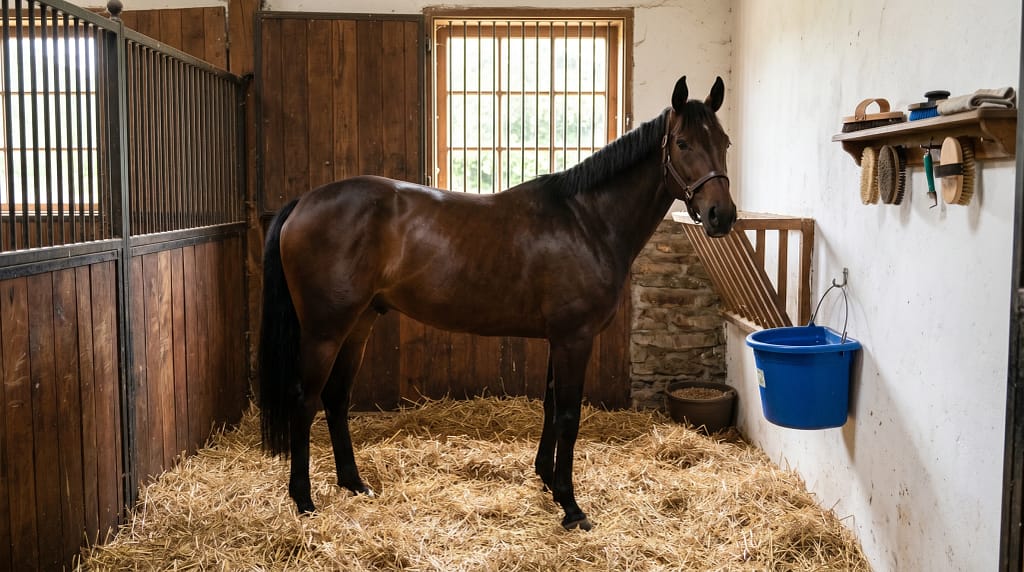
Comprehensive Horse Care Tips For Beginner Equestrians
Getting started with horse care can seem a little overwhelming at first, but with the right information, you’ll find the whole experience truly rewarding. Horses are amazing animals, and the connection you build is worth every bit of energy you put into their daily care. If you’re just getting into the equestrian world for the first time, there are some basics you’ll want to check out to get started on the right hoof (pun intended!).
No matter what your riding goals look like, proper horse care sets the foundation for a safe and happy partnership. I’ve picked up plenty of useful tips through my own time around horses, so you’ll find a mix of the essentials and personal experience throughout these sections. By sticking to these basics, you’ll keep your horse comfortable, healthy, and well-adjusted, and you’ll make your equestrian adventure a lot simpler, too.
This guide covers daily routines, feeding, grooming, health checks, and the small details that make a big impact. Whether you have your own horse or just want to be really well prepared for lessons at the barn, here’s what you need to know.
1. Set Up a Safe and Comfortable Environment
Before you ever pick up a hoof pick or head out for a ride, it’s really important to sort out where your horse will live. Horses need room to move, clean water, and shelter from wind, rain, and sun.
Stable and Shelter Basics
- Clean, Dry Stall: Make sure stables stay free of damp bedding. Wet bedding increases the risk of skin problems and can even cause breathing issues if not cleaned daily.
- Plenty of Ventilation: Good airflow helps reduce dust and ammonia from urine. This is super important for lung health, especially if your horse spends part of the day inside.
- Safe Fencing: Walk along the fence lines and check for sharp corners, broken boards, or loose wire. Horses are curious and seem to always find the one spot you missed!
Paddock and Turnout Tips
- Give your horse regular turnout time for grazing and moving around. Most horses need several hours outside each day for both exercise and mental well-being.
- Check fields for poisonous plants and clean up dropped twine, plastic, and debris regularly.
2. Feed Your Horse? What, When, and How Much?
The phrase “you are what you eat” definitely applies to horses. A solid diet keeps them healthy, energetic, and in an ideal body condition for work or play.
Hay, Grass, and Forage
- For most horses, hay and grass make up the largest part of the diet. Fresh, dustfree hay is best. If you’re not sure what’s available locally, ask your barn manager or veterinarian for ideas.
- Most horses eat about 1–2% of their body weight daily in hay or forage, so a 1,000-pound horse could eat around 10–20 pounds of hay per day.
Supplements and Grain
- Some horses need extra grain or supplements, especially if they’re young, old, growing, or working harder. Keep any new feed changes slow and gradual to avoid tummy troubles (colic is no joke).
- Always provide clean, fresh water. Horses drink 5–10 gallons a day, sometimes more when it’s hot or after hard work.
Remember, overfeeding grain can lead to health issues like founder or colic. Most horses do just fine with quality forage, salt, and water, unless their activity levels are extremely high. Your veterinarian is the best resource to check in with about your specific horse’s needs.
3. Grooming and Daily Care Routines
Grooming isn’t just about giving your horse an eyecatching shine (although that’s a great bonus). Regular grooming will keep their skin healthier and lets you spot wounds, bumps, or anything that seems odd earlier.
Basic Grooming Tools
- Curry comb: Loosens dirt and hair. Most horses really appreciate a gentle curry; it’s almost like a little massage session for them.
- Stiff brush: Sweeps away dirt and dried mud after currying.
- Soft brush: Smooths the coat and brings out a nextlevel cool shine.
- Hoof pick: Cleans out hooves. Using the hoof pick daily matters—stones, mud, and manure can cause issues fast.
Daily Checks
- Look over legs and back for swelling, scrapes, or heat after every outing. Early attention can keep a small problem from turning into a major headache down the line.
- Check hooves for cracks, thrush (a yucky hoof infection), or loose shoes if your horse wears them.
Setting aside ten minutes each day for grooming and checks builds routine for your horse and gives you extra bonding time, too.
4. Basic Health Care Every Horse Needs
Your veterinarian and farrier (horse hoof expert) really are your best friends when it comes to horse care. Still, there’s plenty you can do every day to help prevent bigger health issues down the road.
Vaccinations and Deworming
- Horses need vaccines just like cats or dogs. Common shots protect against tetanus, flu, and West Nile virus. Your veterinarian can lay out a schedule for local risks.
- Since worms are part of horse life, regular deworming with veterinarian-recommended products helps keep your horse healthy.
Hoof Care
- Farriers usually visit every six to eight weeks for trimming and shoeing. Hoof trims keep feet balanced and strong, even if your horse doesn’t wear shoes.
- If you notice lameness or your horse is reluctant to walk as usual, ask for help right away. Hoof problems can get worse quickly if left unchecked.
5. Handling, Safety, and Building Trust
How you get involved with your horse matters just as much as feeding and grooming. Calm, patient handling goes a long way for your partnership and for everyone’s safety, both horse and rider.
Leading and Tying
- Always use a lead rope and halter when moving your horse. Stand on the left (“near”) side, walk at the shoulder, and maintain a steady but gentle contact on the lead.
- Don’t ever wrap lead ropes around your hands or stand right in front or behind your horse.
- Practice tying your horse with a quickrelease knot in case you need to release them quickly.
Introducing New Things
- Horses get nervous with sudden changes. Gradually introducing new equipment, spaces, or changes to routine builds trust. Patience will always pay off in the long run.
6. Create a Daily Care Checklist
Having a daily routine helps you stay organized, especially as a beginner. I use a simple checklist, either on paper or my phone, for easy reference. Here are my musthaves to make the day run smoother:
- Feed and check water twice daily.
- Clean stalls and remove manure in pastures daily.
- Groom and inspect your horse for injuries every day.
- Check all gates and fences for any damage or loose boards.
You’ll find these steps start to feel like second nature over time. On days when you’re pressed for time, just stick with the basics and catch up on bigger grooming or a longer turnout session when you have a little extra room in your schedule.
Common Beginner Questions
How often do I need to see the veterinarian?
Most horses need a yearly check-up, with extra visits for vaccines, deworming, and dental care (horses need their teeth filed every year or two). Don’t hesitate to call your veterinarian if you spot sudden changes, like not eating, acting stiff, or standing oddly.
I’m nervous about picking out hooves. Tips?
- Stand at your horse’s shoulder, gently run your hand down their leg, and say “hoof” or “up.” Keep your body close so you’re not in a kick zone, and always let go if your horse gets fidgety. With practice, this process gets safe and smooth for both of you.
How do I know if my horse is too cold or too hot?
If your horse is sweating when not working or their skin feels hot to the touch, they might be too warm (especially under a blanket). If they’re shivering, huddling, or have cold ears, bring them in or add a blanket. Regular checks are vital in changing weather.
Final Tips for New Equestrians
Horse care is all about building a routine that matches both your needs and your horse’s. It’s normal to have days where things seem tricky or you’re unsure what’s best. Ask questions from your veterinarian or more experienced horse friends, and check in with barn staff if something seems odd. The learning curve is definitely real, but so is the payoff. Nothing beats seeing your horse healthy and content thanks to your hard work.
Your Starter Checklist:
- Sort out a clean, safe living space.
- Feed a basic diet of hay, grass, and clean water.
- Stick with a grooming and daily inspection routine.
- Schedule regular hoof care and veterinarian visits.
- Handle horses safely with steady patience and consistency.
Which horse care tip are you most excited to try? Toss your ideas and questions in the comments below! Happy riding and best of luck on your equestrian adventure.
Shop Tips
Understanding horses on Amazon
Breeds of Horses and Their Characteristics on Amson
Enjoy your equestrian journey! 🏇
Build Your Online Business
and Learn Affiliate Marketing
See you there!
Our Unique Value Propositions
Discover why Chwals GPT is the top choice for equestrians looking
to build their online presence (register for free)
Tailored Equestrian Expertise – Community Connection – Intuitive User Experience


