
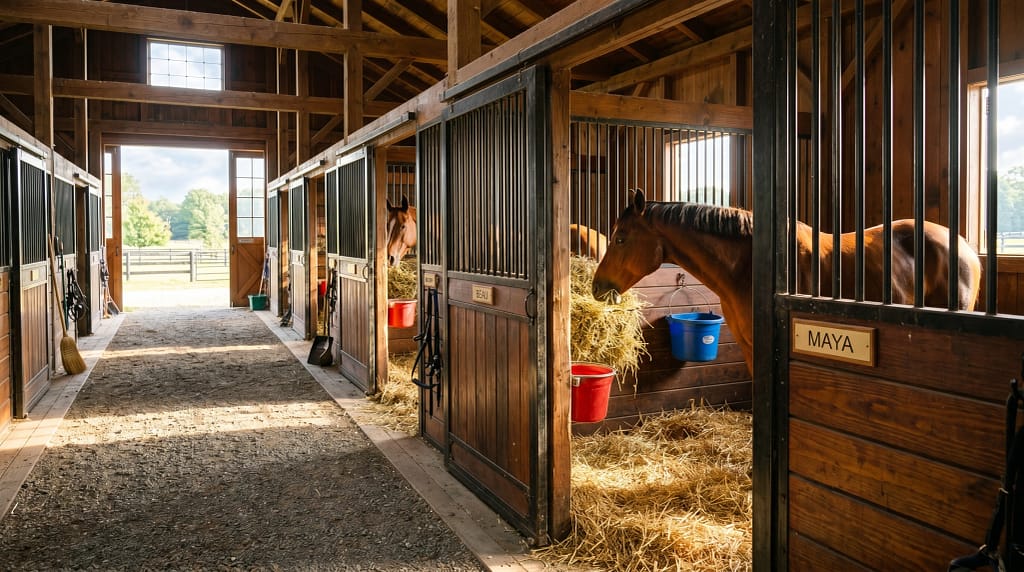
Morning Stable Routine Checklist For Horse Caretaking
Getting horses ready for their day is more than just feeding and heading out. There’s a full morning stable routine that keeps horses happy, healthy, and ready for whatever comes next. From my experience, a reliable checklist not only makes mornings run smoother, but also helps spot small issues before they turn into big problems.
An effective morning routine covers everything from feeding and water checks to grooming, turnout, and quick health observations. With a step-by-step checklist, it’s easy to ensure no detail gets overlooked and each horse gets all the attention needed. That peace of mind is pretty great, especially if you’re juggling several horses or sharing barn duties with a group.
If you’re working at a barn, caring just for your own horse, or writing your own caretaking guides, having a detailed plan makes life in the stable a lot simpler. This guide walks through a morning stable routine checklist, with explanations and extra tips from my daily practice.
1. Feed and Water Checks
Most horses are ready for breakfast as soon as the barn doors swing open. I always make feeding the first task, but it’s more than just tossing some hay or grain into a bucket.
Morning Feeding Breakdown:
- Give fresh hay and grain according to each horse’s specific diet.
- Check feed bins for dropped or spilled food; this can point to dental problems or picky eating.
- Watch each horse as they eat, noting any sign that they’re off their feed or struggling to chew.
Water Bucket Routine:
- Empty and refill every bucket with clean water.
- Scrub buckets if there’s slime or debris visible.
- Inspect automatic waterers for leaks and make sure every horse is drinking.
Consistent feeding and water checks are fundamental for a horse’s health. Sudden changes in appetite or water intake often give the first indication when something’s wrong.
2. Health & Wellness Spot-Check
I’ve learned that a fast daily check saves a lot of stress, and sometimes, vet bills. Taking a couple minutes to scan every horse helps keep things on track and highlights problems before they grow worse.
Morning Health Checklist:
- Look for cuts, swelling, or unusual discharge.
- Check eyes and nostrils for clarity; there should be no goop or cloudiness.
- Look over body condition, especially hips, ribs, and neck for changes.
- Go over legs and hooves for heat, swelling, or missing shoes.
If something catches your eye, taking a quick note and letting the person in charge of medical care know keeps everyone informed. Even simple things, like noticing a fever early, can make a real difference.
3. Muck Out & Stall Maintenance
Clean stalls mean healthy hooves and content horses. Tackling mucking out first thing keeps things fresh and makes the barn much more pleasant for both horses and humans.
Stall Cleaning Tips:
- Remove all manure and wet bedding. Flaky spots or “pee corners” need extra attention.
- Look for hidden droppings behind feeders or in the corners.
- Check flooring for any spots that are dug up or wearing thin.
- Add fresh bedding and spread it smoothly with a fork.
While cleaning stalls, it’s important to watch for anything unusual, like dark or runny manure, as it might point to digestive upset or other issues that need attention.
4. Grooming and Hands-On Care
Even when time is tight, running a brush over each horse helps spot ticks, scrapes, or skin problems. Many horses enjoy the attention, and this hands-on moment helps build trust and connection, making the whole stable experience better for everyone.
Quick Grooming Routine:
- Go over the coat with a curry comb to lift dirt and loosen shedding hair.
- Brush out manes, tails, and legs; check for burrs or tangles.
- Pick out hooves, watching for lodged stones, thrush, or chipped edges.
- Brush off sweat marks to help skin stay healthy and avoid irritation under tack later.
Even a quick grooming run-through allows for checking new bumps or small wounds that might otherwise go unnoticed in the stall.
5. Turnout & Exercise Plan
Most horses benefit from time outside, whether in a field, an arena, or by being handwalked. Mornings offer a great window to get turnout organized and make sure horses can move naturally and happily.
Turnout Prep:
- Inspect fences and gates around turnout areas; look for broken boards or loose wires.
- If needed, use fly spray or put on boots, blankets, or masks the horse uses outside.
- Lead each horse carefully from stall to turnout, making sure everyone walks comfortably.
- Watch each horse settle into the field for a moment; it’s a good way to notice lameness or odd behavior early on.
Exercise needs can vary, but fresh air and some movement each morning keep horses in top shape, both in body and spirit.
6. Tack and Equipment Prep
Mornings are perfect for checking over tack, blankets, and gear, even if you’re not riding right away. A routine glance can help spot cracks in leather, wornout stitching, or failing buckles, often preventing a bigger issue later.
Checklist for Tack Checks:
- Go over halters and lead ropes, ensuring all clips and knots are secure.
- Look at saddle pads, boots, and wraps; replace anything dirty or damaged.
- If using turnout blankets or fly gear, check for new rips or missing straps.
Spending a few extra minutes double-checking gear can help everyone stay safe and help your day flow without hiccups.
7. Barn Area Organization & Safety
Keeping aisles, feed rooms, and shared spaces tidy is critical, especially with horses in and out. Overnight, it’s not uncommon for clutter or hazards to pile up. I always suggest doing a fast sweep to catch these before morning bustle begins.
Morning Safety Reminders:
- Put away tools, forks, or buckets left out overnight.
- Sweep up spills, dirt, or stray hay in the aisles.
- Check fire extinguishers and exit doors so all paths remain clear.
- Glance at first aid kits and repair supplies; restock as needed to stay prepared.
Keeping things organized and neat can really cut down on slips, falls, and emergencies. A little attention in the morning makes for a safer day.
Common Questions About Morning Stable Routines
What if I’m short on time in the morning?
Having a well-thought-out priority plan is key. If you’re rushed, cover the basics first: feed, water, quick health check, and simple turnout. The details can wait for later, or you can split tasks with team members for efficiency.
How do I handle difficult or anxious horses?
- Work with calm and consistency every morning; their comfort grows with regular routines.
- Consider starting with tricky horses before the barn gets busy or noisy.
Do I need to groom every horse every morning?
You don’t always need to go all out, but at least touch each horse with a brush or your hands daily. It’s the easiest way to spot health problems early and helps keep everyone connected.
Stable Morning Routine Action Plan
- Feed, water, and monitor each horse’s appetite and drinking habits.
- Do a quick health and wellness scan while the horses eat.
- Muck out stalls, refresh bedding, and spot-clean the barn spaces.
- Give horses a fast groom and pick out hooves as you work.
- Set up turnout areas and lead horses out, watching how they move.
- Check tack and any protective gear for issues before use.
- Organize the barn, sweep aisles, and make sure safety routines set up the day well.
A little planning goes a long way in the barn. If you have a favorite tip or step that smooths out your own mornings, I’d be excited to hear all about it!
Shop Tips
Breeds of Horses and Their Characteristics on Amson
Understanding horses on Amazon
Enjoy your equestrian journey! 🏇
Build Your Online Business
and Learn Affiliate Marketing
See you there!
Our Unique Value Propositions
Discover why Chwals GPT is the top choice for equestrians looking
to build their online presence (register for free)
Tailored Equestrian Expertise – Community Connection – Intuitive User Experience


