
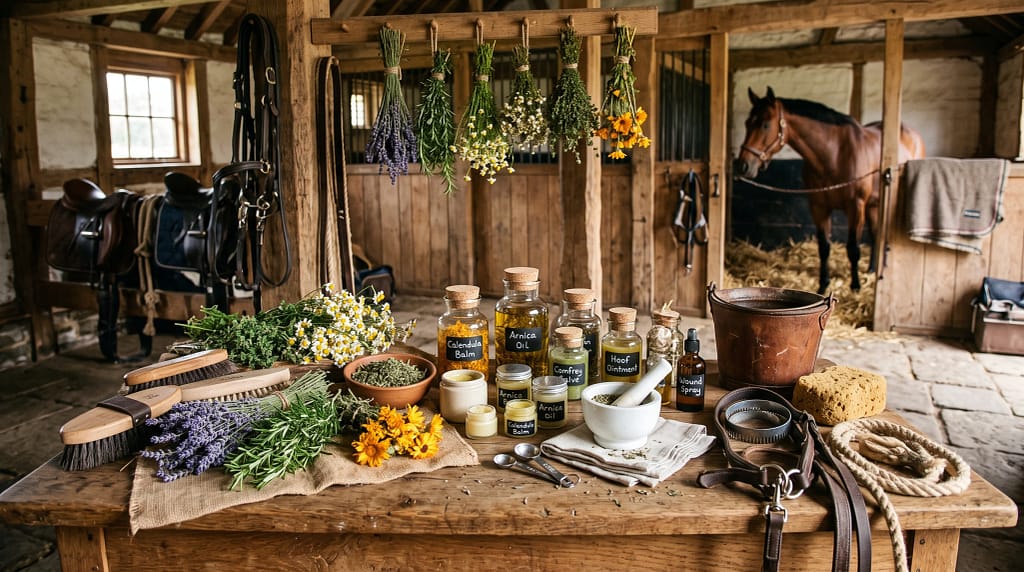
Homemade Herbal Remedies For Equine Skin Ailments Blog
If you’ve ever spent time caring for horses, you probably know skin problems aren’t exactly rare. Horses can get everything from minor scrapes and rain rot to itchy bug bites and mysterious rashes. As someone who likes to keep things as natural as possible, I’ve found herbal remedies to be a pretty handy addition to my equine first-aid kit. They’re often gentle, easy to put together, and can support healthy skin without relying on synthetic chemicals. Here, I’ll run through homemade herbal remedies that I’ve used for common horse skin issues, along with some tips and insights from my own barn experiences.
Why Consider Herbal Remedies for Horse Skin Problems?
Horses aren’t shy about picking up cuts, bruises, and patches of irritated skin. They spend hours outside, brush past trees, roll in mud, deal with insects, and sometimes get a bit too friendly with the fence. While there’s always a place for veterinary care and store-bought treatments, I’ve had plenty of luck reaching for simple herbal solutions, especially for everyday issues.
Herbal remedies have a long history both in human and animal care. Plants like calendula, aloe vera, and chamomile have traditionally been used to soothe, disinfect, and support healing. For horse owners interested in gentle, natural care that’s often right at their fingertips, these time-tested ingredients are worth checking out.
It’s important to remember that not every herbal remedy fits every situation. Consulting your vet before starting any new treatment keeps your horse safe and avoids bigger problems down the road. Certain skin issues, like wounds that won’t heal, severe swelling, or strange growths, are signs to get a professional involved.
Common Equine Skin Ailments You’ll See Around the Barn
Over the years, I’ve run into a handful of skin issues that seem to pop up for almost everyone who’s around horses. The good news is, some of these respond well to herbal care when handled early and consistently.
- Rain Rot (Dermatophilosis): This bumpy, crusty infection pops up especially with lots of rain or poor ventilation. It can look scary, but mild cases can often be helped by gentle herbal rinses.
- Minor Cuts and Scrapes: Horses seem to invent new ways to injure themselves, from wire nicks to small gashes on their legs.
- Sweet Itch: This is a fancy name for allergic reactions to biting insects, usually along the mane and tail, leading to intense itching.
- Mud Fever (Scratches): The skin on lower legs gets irritated and inflamed, mostly from being wet for too long.
- General Itch and Hives: Allergies, insect bites, or pasture plants can all lead to hives or random itchiness.
Other issues, such as fungal infections or deep wounds, might need more than what herbal remedies can offer alone. Always keep a close eye on how your horse is healing, and reach out to a vet if things get worse or don’t improve.
Herbal Remedy Basics? Get Your Supplies Ready
Homemade herbal treatments don’t have to be complicated or expensive. Most of the ingredients are easy to get at a health store, online, or even in your own garden if you’ve got a green thumb. Here are a few basics to have on hand for mixing up your own skin remedies:
- Calendula Flowers: Dried calendula petals are super useful for all sorts of skin issues. They have gentle disinfecting and soothing properties.
- Chamomile: Known for calming irritation and supporting healing. Great in rinses and compresses.
- Aloe Vera: The fresh gel from aloe leaves is a classic for burns, insect bites, and small wounds.
- Lavender Oil: A little goes a long way, just a few drops can help clean and soothe minor irritations.
- Witch Hazel: This is handy as a base for sprays or wipes, thanks to its astringent properties.
- Clean Cloths & Spray Bottles: Soft cotton cloths for compresses and empty bottles for homemade sprays are always useful.
If you’re new to herbal remedies, start with just one or two ingredients you recognize. Being familiar with how your horse reacts will help you build confidence over time. Over the seasons, you may find certain herbs work better for different issues, and some, like calendula, become staples for nearly every kind of minor skin trouble.
Quick DIY Herbal Remedy Recipes for Horses
Most herbal mixtures for horses are simple to make and store well for a few days if kept in the fridge. These are a few tried-and-true blends I keep coming back to at the barn:
- Calendula & Chamomile Rinse: Steep 2 tablespoons each of dried calendula and chamomile in 2 cups of boiling water for about 15 minutes. Strain, cool, and use as a gentle rinse for irritated skin or after cleaning cuts. It works nicely on areas affected by rain rot or bug bites. For added relief, try this rinse as part of your regular stable cleaning routine during wet seasons.
- Aloe & Lavender Soothing Gel: Scoop the gel from a fresh aloe leaf and stir in 2 drops of lavender essential oil. Dab a small amount onto bites, scrapes, or rough patches. Remember to do a patch test before putting it on a large area.
- Witch Hazel Cooling Spray: Mix 1/2 cup alcoholfree witch hazel with 1/2 cup cooled chamomile tea. Pour into a spray bottle for quick relief from itchiness or minor swelling. Store in the fridge for a refreshing spritz after a hot day or after turnout in buggy pastures.
- Mud Fever Paste: Combine calendula petals, a teaspoon of coconut oil, and a crushed vitamin E capsule to form a thick paste. Slather gently onto clean, dry pasterns where mud fever is brewing. This helps soften scabs and soothe the irritation. Consistency is key; repeat daily for best results and always keep legs dry between applications.
When trying a new blend, start small and see how your horse reacts. Some horses are more sensitive than others, and even natural stuff can cause allergies now and then. Also, spend time observing your horse’s comfort level after each application. If you notice extra licking, scratching, or a change in behavior, give the remedy a once-over to check for possible irritations.
What to Watch Out for When Using Homemade Remedies
Herbal remedies feel safe, but paying attention to a few guidelines makes them much more effective and avoids problems. Here are my tips from personal trial and error:
- Always Patch Test: Even gentle herbs can trigger reactions. Dab a bit on a small area first, especially if your horse has sensitive skin.
- Never Use on Deep or Infected Wounds: For anything bleeding, very swollen, or oozing pus, skip the home treatments and call your vet. Herbal rinses work great for mild irritations, but some injuries need prescription care or antibiotics.
- Label and Date Your Mixes: Freshness matters, especially with waterbased recipes. Store in the fridge and toss out if it smells off or sits more than a few days.
- Monitor Progress: Keep an eye on any treated area. If it gets worse, spreads, or makes your horse unhappy, it’s time for veterinary advice.
- Talk to Your Vet: Open communication is super important. I always give my vet a heads up if I’m thinking of trying something new, especially for anything that is lingering or unusual.
It’s always best to err on the side of caution. Keep detailed notes of what you try and how your horse reacts, so you can provide clear information to your vet if needed. Sharing your experiences with other horse owners can also help everyone learn what works and what to avoid.
Tips for Keeping Horse Skin Healthy YearRound
I’ve learned that prevention saves a lot of work (and worry) down the line. Here’s what’s helped my herd stay happy and skin issue free most of the time:
- Regular grooming with soft brushes to catch problems early and boost circulation.
- Clean, dry bedding and wellventilated stalls. Dampness makes most skin issues worse.
- Checking turnout areas for sharp objects or plants that could irritate skin.
- Balanced diets packed with omega3 fatty acids, which support skin health from the inside.
- Using fly sheets, masks, and natural bug sprays in peak mosquito season.
Building these habits into your routine keeps a lot of problems at bay, and makes herbal remedies just a backup plan rather than the first line of defense. I’ve found that sometimes, the simplest measures—like a clean stall or post-pasture rinse—can make the biggest difference for managing your horse’s skin health.
Frequently Asked Questions About Equine Herbal Skin Remedies
Question: Can I use the same herbs for horses as for humans?
Answer: Many skin safe herbs like calendula, chamomile, and aloe are shared between human and equine care. Horses metabolize things differently, so avoid anything toxic (like tea tree oil or comfrey), and keep your vet in the loop if you’re ever unsure.
Question: How often can I apply these remedies?
Answer: For most mild skin issues, once or twice a day is enough. Watch the skin’s response, and adjust as needed. If there’s no improvement after a few days, or if things get worse, check with your vet.
Question: Are there herbs I should never use on horses?
Answer: Definitely. A few common human safe herbs, like comfrey (internally), tea tree oil, or anything with strong essential oils, can be problematic for horses. Stick to gentler options unless you know an herb is safe for animals.
Question: Should I try an herbal remedy before calling my vet?
Answer: For small cuts, minor scrapes, or mild rain rot, herbal remedies are worth trying if your horse is otherwise healthy. For anything more serious, wounds that don’t heal, lots of swelling, or signs of infection, always check with your vet first.
Conclusion?Safe and Simple Herbal Skin Care for Horses
Homemade herbal remedies offer a gentle, practical route to caring for everyday skin problems in horses. With some common ingredients and a little trial and error, you can handle minor irritations, soothe bug bites, and support healing the natural way. Always pay attention to how your horse responds, don’t skip out on professional advice when needed, and remember that prevention is really important in barn management. Horses can’t tell us what’s wrong, but with a careful eye and a little herbal knowhow, you’ll be ready for whatever comes up in the pasture.
Medical disclaimer: Always consult a veterinarian.
Understanding horses on Amazon
Build Your Online Business
and Learn Affiliate Marketing
See you there!
Our Unique Value Propositions
Discover why Chwals GPT is the top choice for equestrians looking
to build their online presence (register for free)
Tailored Equestrian Expertise – Community Connection – Intuitive User Experience


