
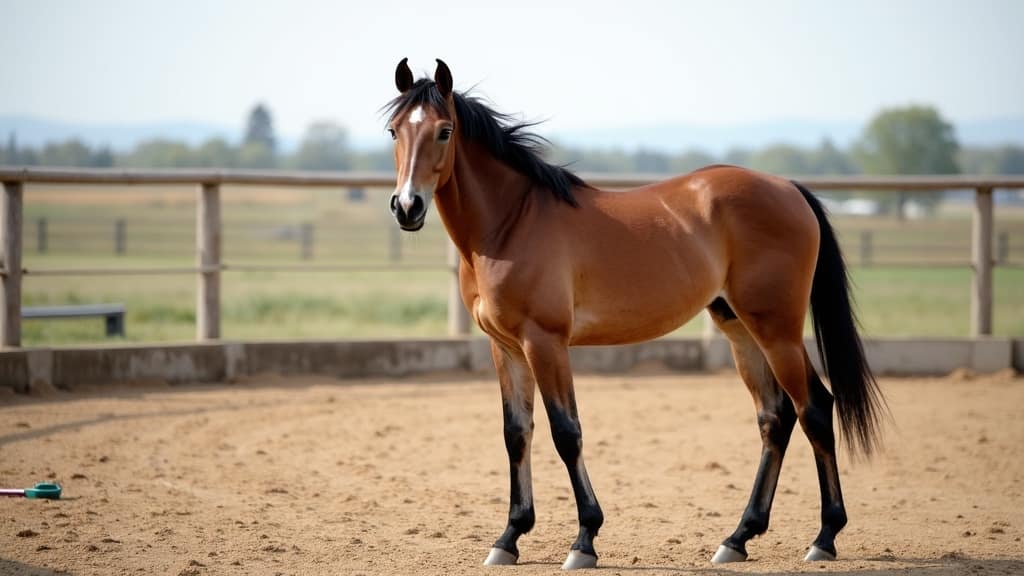
Basic Training Techniques For Young Horses
Training a young horse from the very beginning is one of the most rewarding tasks I can take on as a horse owner. These early lessons shape the way my horse interacts with people, responds to new situations, and develops trust. By putting in the effort at this stage, I set my horse up for a positive, responsive relationship for years to come.
A common worry is not knowing where to start or how to know if I’m teaching things the right way. Taking it step by step, making sure my horse learns basic skills gently, is the best foundation. Proper groundwork helps my horse become calm, focused, and happy to work with me, no matter their future job under saddle or inhand.
Here’s my practical guide on the allinone training techniques I use with young horses. These steps will help any horse owner build confidence, respect, and safety into every interaction from the very first day. Developing these skills not only gives peace of mind for the handler but sets a crucial base for the horse to learn more advanced lessons later. Time to roll into the core elements of early horse training and see why each one matters.
Start with Trust and Handling Basics
Building trust and respect sets the tone for my entire training process. Young horses need to learn early that people are not something to fear but partners they can depend on. Establishing simple routines also helps my horse know what to expect, so they stay calm and willing.
Key First Steps I Always Use:
- Approach slowly and calmly every time, even in the paddock or stall.
- Let my horse sniff and investigate my hands or halter. No rushing or forcing.
- Gentle rubbing or scratching the neck and shoulder shows I’m not a threat.
- Every touch is slow and predictable. I avoid sudden moves at first.
I stay patient in these first few days, as it can take time for a nervous colt or filly to settle. If my horse pulls away or seems scared, I back off and try again later. It’s really important not to push too fast. Trust builds slowly through many small, calm interactions. Sometimes, just standing nearby with a relaxed presence and a soft spoken word is enough to start making progress.
Teach Haltering and Leading
Once my young horse is comfortable being touched, I move on to haltering and leading. Leading well is the top skill that opens up safe handling throughout the horse’s life. This builds a base that allows the horse to travel, meet new people, or experience shows confidently later on.
How I Introduce the Halter:
- Let them inspect the halter by sniffing it and seeing me move it around their face and neck.
- Slip it gently over the nose, praise, and maybe remove it again right away.
- Leave it on only for short sessions at first, never as a punishment.
Steps for Calm Leading:
- Ask for one step forward, reward with a soft voice, release pressure when they try.
- Keep the lead rope short but not tight; I want slack for comfort but enough control for safety.
- Turn, stop, and back up in small amounts, always rewarding progress.
If I meet resistance, backing up and breaking the task into smaller chunks keeps things positive and prevents the horse from becoming confused or scared. Sometimes, just encouraging a single step in the right direction is a big win.
Handling: Grooming, Feet, and Vet Prep
Regular grooming and touching all over the body help my young horse get ready for care from different people, farriers, and veterinarians. These daily habits smooth the way for everything from health checks to casual bonding sessions.
My Handling Routine Includes:
- Running hands and brushes along the neck, back, belly, and legs while staying calm and talking softly.
- Pick up each foot for just a second at first, increasing the time slowly.
- If they kick or pull, I don’t punish. I just put the foot down and try again a moment later.
Getting my horse used to having their ears, mouth, and tail touched helps early on. I want them to stand quietly for vaccinations and exam routines. This makes vet and farrier visits much less stressful for both of us later. Also, spending a few minutes each session playing with things like soft towels or sponges by the horse’s mouth or legs helps reduce spookiness and makes the horse braver over time.
Desensitizing to New Objects and Experiences
Young horses are naturally curious, but they can also be jumpy. I work gently to show that new sights, sounds, and objects aren’t scary. Over time, my horse becomes braver and more relaxed, which makes handling much safer. Even the process of leading the young horse outside their pen to see a nearby tractor or different field encourages curiosity and reduces fear.
Ways I Introduce New Things:
- Bring items like a plastic bag, saddle pad, or blanket into the pen and let my horse sniff them at their own pace.
- If they shy away, I pause and encourage calm investigation, never chasing or scaring them.
- Wave objects gently, then build up motion or noise a little at a time, always rewarding calmness.
Every horse reacts differently, so I move at a speed that fits my horse’s comfort level. Short daily sessions work better than long or stressful ones. Changing up the objects or location keeps sessions fresh and highlights the horse’s adaptability. For particularly spooky horses, inviting a calm buddy to stand nearby can bring comfort and faster progress.
Basic Voice Commands and Direction
Horses quickly learn to respond to simple words if I’m consistent. Early groundwork helps me communicate with my horse before stepping up training under saddle or in harness. The more I use clear words and simple routines, the faster my horse starts to connect the dots.
Useful Commands I Teach First:
- Whoa – stopping and standing still when I say this word kindly and clearly
- Walk on – a gentle cue to move forward, paired with a soft cluck or tap on the lead
- Back – taking a step or two backward from light pressure or word alone
I use the same words, tone, and cues every time, so my horse knows what each command means. Immediate praise helps the horse understand when they’ve done it right. This keeps learning stressfree and fun. Over time, I start using these same voice cues in other situations, like leading through gates or stopping by the grooming station, to build consistency all around.
Introducing the Round Pen & Lunging Basics
The round pen is a practical space for teaching respect, attention, and movement without a rider. I use it to practice commands, develop steering, and build my horse’s confidence in my guidance. By using the pen, I also improve my ability to spot how my horse is feeling by watching body language, so I can adjust training as needed.
Tips for Safe Lunging:
- Start slowly with a halter and a long lead or lunge line, giving the horse plenty of room.
- Ask for direction changes and stops, using body language and voice aids as needed.
- I avoid overworking my young horse, keeping sessions short and positive.
By getting good at groundwork, my horse learns to follow cues and focus on me, even if there are distractions outside the pen. For horses new to the round pen, adding short cheery breaks or scratching their favorite itchy spot builds more trust and attention. Over weeks, lunging can grow into a fun activity that preps the horse for more advanced groundwork or future riding goals.
Consistency and Patience: My Daily Approach
Successful training for young horses is about small, steady progress. Every horse learns at a slightly different pace. Some steps might click fast, while others need more patience. The most important thing is staying calm and not making sessions stressful. Good horse training means recognizing when to push a little and when to ease up; knowing those moments will come with experience.
Troubleshooting Common Issues:
- If my horse gets too nervous or pushy, I go back to basics like quiet leading and simple touches.
- Shorten the session or switch to something the horse knows and enjoys, ending on a positive note.
- Ask for help from experienced trainers or friends if I feel stuck or worried about safety.
Every good session, even if just a few minutes, adds up over time. This is where real progress happens. On days when things seem off, I remind myself that honesty and kindness go further than tough discipline for long-term trust.
Practical Checklist: My Basic Training Essentials
- Earn the horse’s trust through calm, consistent daily handling.
- Introduce gentle haltering and leading without force.
- Practice grooming, body handling, and picking up feet calmly.
- Desensitize to new objects and situations using slow, positive exposure.
- Teach clear voice commands for basic movement and stopping.
- Use the round pen for focus and lunging practice.
- Stay patient, reward progress, and never rush fearful or confused moments.
If I keep these basics strong, my young horse is ready for further training. No matter what discipline I choose next, a good foundation makes every new lesson safer and more enjoyable, turning every training day into a rewarding adventure.
Shop tips
Understanding horses on Amazon
Breeds of Horses and Their Characteristics on Amson
Build Your Online Business
and Learn Affiliate Marketing
See you there!
Our Unique Value Propositions
Discover why Chwals GPT is the top choice for equestrians looking
to build their online presence (register for free)
Tailored Equestrian Expertise – Community Connection – Intuitive User Experience


