Frame The Majesty And Compose Stunning Horse Portraits
Capturing eye-catching horse portraits is a rewarding hobby for many photography lovers. Horses have a natural elegance and strength that looks amazing on camera, but getting those jaw-dropping shots takes a mix of technique, timing, and creativity. I’ve spent hours out in fields, stables, and arenas with my camera, so I know just how magical a well-composed horse portrait can feel. Both photographers and anyone who gets to see the results appreciate the effort.
Maybe you’ve tried taking horse photos before and felt frustrated because the horse wouldn’t stand still, the lighting didn’t work out, or the final photos just didn’t have that wow factor. The good news is, with some planning and a few practical tips, anyone can make big improvements in their horse portraits.
This guide covers the basics for framing the majesty of horses in photos—how to prep your subject, set up your shot, make the most of natural light, and capture the true personality of these beautiful animals. Whether you’re brand new to horse photography or you want to take your skills up a notch, you’ll find advice here that really helps.
Pick the Right Setting for Your Horse Portrait
The background and setting you choose for a horse portrait can completely change the mood and impact of your image. Natural areas like open fields, pasture fences, or wooded paths work really well because they show off the horse’s natural environment without too many distractions. I like to scout locations ahead of time and keep an eye out for anything that might clutter up the frame. Things like vehicles, trash cans, or bright signage can be super distracting in an otherwise lovely shot.
- Fields and Meadows – Soft grass, rolling hills, and wildflowers create a classic vibe for horse portraits. Early morning or just before sunset is my favorite time to shoot out here.
- Wooded Trails – Shooting under tall trees offers nice shade and a cozy atmosphere, especially if sunlight filters through the leaves.
- Stable Doors or Barns – A rustic barn door or open stall can make a great background. I always check that the area is tidy before setting up. Neat tack, swept floors, and no messy hay bales help keep the focus on the horse.
Simple backgrounds highlight the horse, while busy scenes just draw the eye away from your subject. Clear surroundings make it way easier to create portraits that really pop.
Prepare Your Horse for the Camera
An important part of great horse portraits is making sure your subject is looking their best. Horses usually need a little bit of “grooming for the camera.” Before I start, I brush the coat until it shines, gently comb out the mane and tail, and wipe away any dust or eye gunk. Spending even ten minutes on this kind of grooming makes a big difference in how polished the final images look.
- Clean Tack or Halter – If you want to photograph the horse in a halter or bridle, I always pick one that’s clean and in good condition. Sometimes I go for a neutral leather halter for classic portraits, or take it off completely for a more natural look.
- Calm and Comfortable – Horses pick up on your mood, so staying relaxed (and using treats if needed) can help the horse settle and show their best sides.
I also chat with the horse’s owner or handler about the horse’s personality. Some horses love the camera and pose like pros, while others need more time and reassurance. Understanding what makes the horse tick helps me plan my shots and get more genuine, relaxed portraits.
Compose for Beauty and Personality
Composition is a big deal in horse photography. The way you set up your shot can bring out the horse’s unique features and attitude.
Tips for Strong Horse Portrait Composition:
- Eye Level Shooting – Taking photos at the horse’s eye level creates an inviting and natural look. I’ll kneel or crouch to match their gaze instead of shooting from above.
- Lead Room – Give the horse space in the frame to “look into.” This means leaving more room on the side where the horse is facing. It keeps your photos from feeling cramped or cut off.
- Rule of Thirds – Imagine your frame divided into three vertical and three horizontal sections. Placing the horse’s eyes or head on one of those lines (instead of smack in the center) adds a professional touch and makes the photo more interesting.
- Focus on the Eyes – Sharp, bright eyes make every portrait more engaging. I set my camera’s focus point right on the eye to make sure it’s crisp.
Some of my favorite horse portraits are simple headshots with the ears forward. Using a squeaky toy or gentle rustling sound can get the horse to perk up their ears, which gives the photo way more energy than a bored, sleepy look!
Make the Most of Natural Light
Lighting can make or break a horse portrait. Horses have shiny coats and curved bodies, so harsh sunlight can create strong shadows or blown-out highlights. My go-to lighting setups use soft, even natural light.
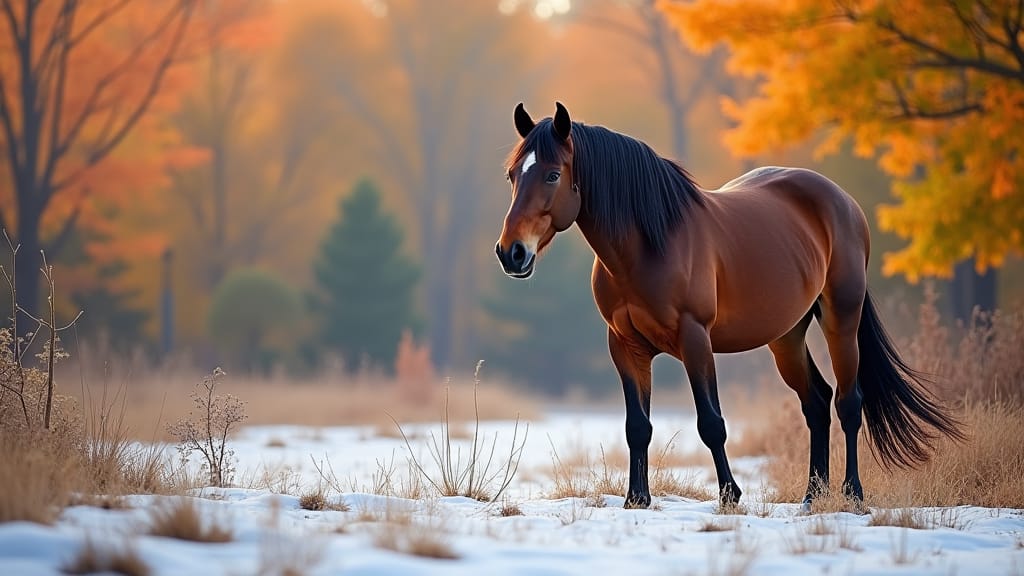
- Golden Hour – Early morning or late afternoon, when the sun is low, creates a warm glow that makes coats look rich and eyes sparkle. This time is my top pick for outdoor horse portraits.
- Overcast Days – Cloudy skies are actually great for even, shadow-free light. No squinting or harsh lines on the horse’s face.
- Open Shade – If I need to shoot midday, I hunt for spots in light shade, like under a tree or next to a barn, that keep glare away while still giving enough light.
I avoid using flash with horses, since the sudden light can spook them and cause red-eye. Natural light brings out coat texture and color way better.
Capture Real Expressions and Moments
Horses have a lot of personality, and it shows in their expressions. The most powerful portraits are the ones where a horse’s character shines through. Alert eyes, pricked ears, a gentle mouth, or even playful moments all add charm. I keep my camera ready and fire off a burst of shots to catch those in-between moments. Sometimes, the best portrait happens when the horse just notices something in the distance or nuzzles a friend nearby.
Tricks to Get Natural Horse Expressions:
- Use soft noises (like whistling or gentle clapping) to get ears up.
- Let the horse take breaks between shots. Forced posing can make them look grumpy.
- Have the handler stand close but out of frame, using treats to keep the horse happy and alert.
Get Technical with Camera Settings and Gear
Knowing some camera basics can change the quality of your horse portraits. Here’s what’s worked for me:
- Lens Choice – A lens in the 85mm to 200mm range lets you shoot from a comfortable distance and still fill the frame. Telephoto lenses help blur the background, keeping the focus on the horse.
- Aperture – I use a wide aperture (f/2.8–f/4) for dreamy, softly blurred backgrounds.
- Shutter Speed – Horses can move fast, even when “standing still.” I keep my shutter speed quick (at least 1/500th of a second or faster) to freeze motion and avoid blurry shots.
- Focus Mode – Continuous or AI Servo focus mode works best for unpredictable horse movements.
Even if you’re taking photos on a phone, using Portrait Mode and tapping the horse’s eye to set focus gives your photos a sharper, more pro look.
Common Questions & Quick Fixes for Horse Portraits
What if the horse keeps moving?
- Patience is key. Lots of breaks help too. Sometimes I’ll try again in a more relaxed setting or after the horse has exercised.
- Ask a friend or handler to help keep the horse still with gentle cues or treats.
How do I deal with busy backgrounds?
- Shoot with a wide aperture to blur out distractions.
- Change your angle. Move left or right until the background is simpler.
- If you’re stuck with a messy scene, try filling the frame with the horse’s head or zooming in tight.
Why do my photos look flat or lifeless?
Try shooting during better lighting (early morning or evening), and always focus on the horse’s eye. Sometimes bumping up the contrast a bit in post-processing helps bring portrait shots to life too. You can even experiment with editing tools to adjust brightness and add punch to the colors; just remember to keep it natural.
Ready to Capture Eye-Catching Horse Portraits?
Horse portrait photography is all about planning, patience, and creativity. Every horse is different, and part of the fun is getting to know your subject while you shoot. With a little practice, you can frame the majesty of horses in ways that show off their true character.
Your Next Steps:
- Pick one new tip from this guide and try it on your next horse photo session.
- Experiment with different backgrounds and lighting to see what works best for you.
- Practice focusing on the horse’s eye and getting those ears forward for lively, natural portraits.
Which tip are you excited to use first? Share your best horse portrait ideas or experiences in the comments! Keep exploring, keep snapping, and enjoy every moment with these incredible animals. As you keep practicing, you’ll stumble upon even more ways to make your horse portraits truly stand out.
Let us know!
Build Your Online Business
and Learn Affiliate Marketing
See you there!
Our Unique Value Propositions
Discover why Chwals GPT is the top choice for equestrians looking
to build their online presence (register for free)
Tailored Equestrian Expertise – Community Connection – Intuitive User Experience