
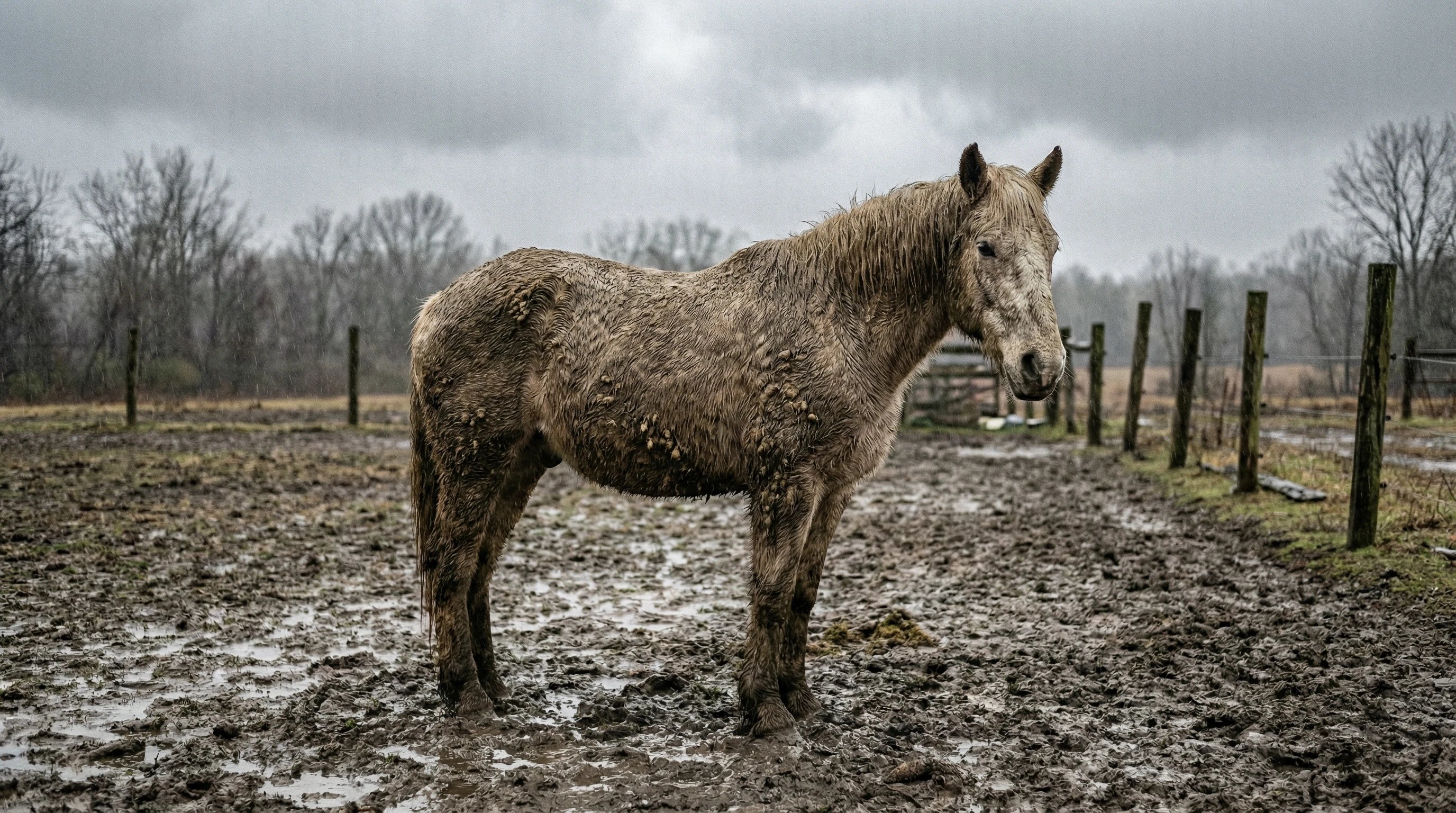
Identifying Signs Of Neglect In Horses
Horses are tough animals, but they depend on us for their basic needs and care. Spotting signs of neglect in horses is crucial, whether you own a horse, volunteer around them, or simply care about animal welfare. Many signs of neglect are subtle, so staying sharp and having some experience helps a lot. These tips will help you get a feel for common warning signs, explain why they’re important, and guide you on what to do if you come across a neglected horse.
Common Signs Of Neglect In Horses
Neglect doesn’t always look extreme. Often, it’s a bunch of small issues that snowball over time: missed feedings, skipped hoof trims, or dirty water. Knowing what’s normal for horses helps you spot when something’s not right. Here’s what to keep an eye on:
- Unkempt or Patchy Coat: A healthy horse typically has a shiny, even coat. Any rough, dull, or tangled fur is an immediate red flag.
- Overgrown or Cracked Hooves: Hooves should be trimmed regularly. Long, split, or curling hooves can hurt with every step, showing a lack of care.
- Weight Loss or “Ribby” Appearance: Noticeable ribs, hip bones, or spine could mean the horse isn’t getting enough food or is battling an untreated illness.
- Lethargy or Unusual Behavior: Horses that seem tired, stand awkwardly, or lie down a lot could be struggling from hunger, thirst, or sickness.
- Wounds or Untreated Injuries: Cuts and sores that don’t heal, look infected, or get ignored mean someone isn’t paying enough attention.
- Parasite Infestation: Constant scratching or bald patches can indicate lice, ticks, or worms—a sign that regular care is missing.
Spotting several of these issues at once should really get your attention.
Understanding The Causes Of Neglect
The root cause isn’t always intentional harm. Owners sometimes fall on hard times, lose track, or just don’t know how to care for a horse properly. Some common reasons include:
- Lack of Knowledge: New or inexperienced owners might miss important daily or seasonal routines that make up basic care.
- Financial Hardship: Caring for horses is expensive. Feed, vet bills, farrier visits, and money for shelter can add up quickly.
- Physical Limitations: When owners are sick or injured, daily horse care might slip through the cracks.
- Overcrowded Pastures: Too many horses in a small area means not enough room or food for all of them.
- Intentional Neglect: Sometimes, an owner just doesn’t care or chooses to walk away from responsibility.
Whatever the cause, the horse is the one who ends up suffering. Understanding these reasons is not to excuse the neglect, but it helps you spot patterns so you know when action is needed.
Physical Clues To Watch For
Spotting trouble early requires paying close attention. I’ve come across neglected horses that blend in until you really give them a once-over. During stable checks or visits, look for these signs:
- Body Condition Score: The Henneke Body Condition Scoring system rates fat cover from 1 to 9. A normal, healthy horse usually falls between 4 and 6. Lower numbers mean the horse is too thin, while higher scores show overfeeding or health problems that need fixing.
- Hoof Condition: Check for cracks, chips, overgrown hooves, or hooves curling upwards—all classic indicators that trims are being skipped.
- Sores, Scabs, or Missing Hair: Persistent wounds, flies buzzing around, or bald spots can paint a bleak picture for a horse’s well-being.
- Dental Issues: Horses that drop food, drool a lot, or spit out wads of chewed hay (“quids”) may have dental problems that are going ignored.
Environmental Red Flags
The horse’s living space says a lot. Neglect can also show up in the environment around the horse—not just in physical care.
- No Clean Water: Algae-filled buckets, frozen troughs, or dry water sources are warning signals. Horses need clean, fresh water every day.
- Dirty or Dangerous Shelter: Muddy pastures, old manure piling up, moldy hay, or dangerous junk can all pose risks to horse health.
- No Shelter or Shade: Horses should have protection from rain, snow, and intense heat—not just an open field.
- Overgrazed Pastures: Patches of bare dirt and lots of weeds mean the land isn’t supporting healthy horses, and nutrition suffers.
Poor living conditions can create more health problems and add to a horse’s stress every day.
Behavioral Warning Signs
Sometimes neglect shows up through behavior, not just appearance. Horses that experience ongoing neglect often begin to act differently, showing signs like:
- Withdrawn or Depressed: Some horses stop interacting, seem anxious, or display typical symptoms of depression.
- Food Aggression: Frantic eating, biting, or guarding food can suggest the horse isn’t sure when its next meal is coming.
- Nervous or Spaced-Out: Skittishness, jumpiness, or a general sense that the horse is “checked out” can reflect lost trust and poor handling.
Horses can bounce back quickly in a better environment, so I always pay extra attention to their behavior as a warning sign.
Quick Checklist For Visits
Catching neglect quickly can make a world of difference. Here’s a handy checklist I use when I’m visiting a new farm, checking in on a friend’s horse, or stopping by a rescue:
- Is the horse alert, social, and moving easily?
- Are water buckets clean and filled?
- Does the living area have hazards, mess, or loads of mud?
- Can you spot a healthy body weight, shiny coat, and well-shaped hooves?
- Are health issues or injuries being treated?
- Are there weird smells like rotting food or strong ammonia?
If you spot problems, take photos (from public spots if you don’t have permission to enter), note the address, and get advice from animal welfare professionals about what to do next.
How To Respond If You Suspect Neglect
Witnessing neglect can be tough emotionally. It’s best to stay calm and act thoughtfully. Here’s my go-to plan:
- Collect details: note time, date, description of the horse, and take pictures if possible.
- If you know the owner and it feels safe, try a friendly chat. Many times, people will talk openly about their challenges and may want help.
- If it’s not safe or the problem is really severe, reach out to your local animal welfare agency or SPCA. Reporting neglect doesn’t automatically accuse anyone—it’s just a signal to let professionals take a look.
- Be sure to keep things respectful—don’t trespass or get in anyone’s face.
The process may take time, but communities that watch out for neglected animals can make a real difference.
Helpful Pointers For New Horse Owners
New folks often make mistakes out of excitement or being unsure. Here are some tips I share with anyone starting out:
- Find an experienced local mentor—a seasoned horse owner or vet is one of the best resources you can ask for.
- Keep a care calendar. Schedule deworming, hoof trims, shots, and feeding routines so nothing slips your mind.
- Sign up for a horse health workshop. Local extension offices or rescue organizations often hold hands-on classes.
- Read up. Sites like The Horse and the American Association of Equine Practitioners provide tons of friendly, practical info for beginners and veterans alike.
Steady learning boosts your confidence and helps you catch little issues before they get out of hand.
Frequently Asked Questions
When people are learning about neglect in horses, these are some questions I get most:
Q: Can a horse look neglected just because it’s old?
A: Older horses may lose muscle or have rougher coats. But with good care, they stay comfortable and active. Aging never means dirty water, untreated wounds, or skipped meals are okay.
Q: What’s the real difference between neglect and abuse?
A: Neglect is about what isn’t being done—like missing food or skipping vet visits. Abuse means direct harm, such as hitting or extreme overwork. Both cause animals to suffer and need to be reported.
Q: Should I say something if I spot just a few signs, or wait until it’s clearly serious?
A: Early action is always better. Even a small warning sign is worth mentioning to the owner or authorities, especially if the issue happens again and again.
Final Thoughts: Caring Makes The Difference
Spotting and stopping neglect is all about staying alert, being willing to step up, and speaking out when horses are in trouble. These animals give us so much, and a little extra attention can turn things around for them. Trust your instincts—if something doesn’t seem right, it probably isn’t. Horse lovers who stay aware and take action help make the world safer and kinder for our four-legged friends. Next time you see a horse, remember that spotting neglect and stepping in could make all the difference in its life.
Understanding horses on Amazon
Build Your Online Business
and Learn Affiliate Marketing
See you there!
Our Unique Value Propositions
Discover why Chwals GPT is the top choice for equestrians looking
to build their online presence (register for free)
Tailored Equestrian Expertise – Community Connection – Intuitive User Experience


