Planning The Perfect Trail Riding Adventure
Heading into nature on horseback is one of my favorite ways to recharge. If you’ve ever dreamed of planning your own trail riding adventure but weren’t sure where to begin, I’ve been there too. Whether you ride every weekend or you’re eager to try your first saddle outing, careful planning goes a long way. With the right preparation, you can make the experience both safe and memorable.
Many equestrians rush out on the trails without much thought, risking issues like getting lost, encountering bad weather, or even dealing with an unprepared horse. I’ve learned first hand that these risks can turn a good day into a stressful one. The good news is that a solid plan helps make your adventure smoother and a lot more enjoyable.
This guide breaks down what you need to know for planning the perfect trail ride. From choosing the right trail to preparing your horse and packing smart, every step matters. Plus, I’ll share a few personal stories and coaching tips I’ve picked up over the years to help you get the most out of every ride.
Decide What You Want From Your Trail Adventure
Before you start organizing gear or mapping a route, I always think about what I want to get from the ride. A quiet solo ride to de-stress looks really different than a long weekend with friends, or a challenging mountain route.
Questions That Help Me Narrow It Down:
- How long do I want to ride; just a few hours, all day, or overnight?
- Am I looking for a peaceful, scenic route, or do I want something more challenging?
- What is my riding skill level, and how confident is my horse on trails?
- Will I be riding alone or with others? If with a group, will there be mixed skill levels?
Examples of Trail Adventure Goals:
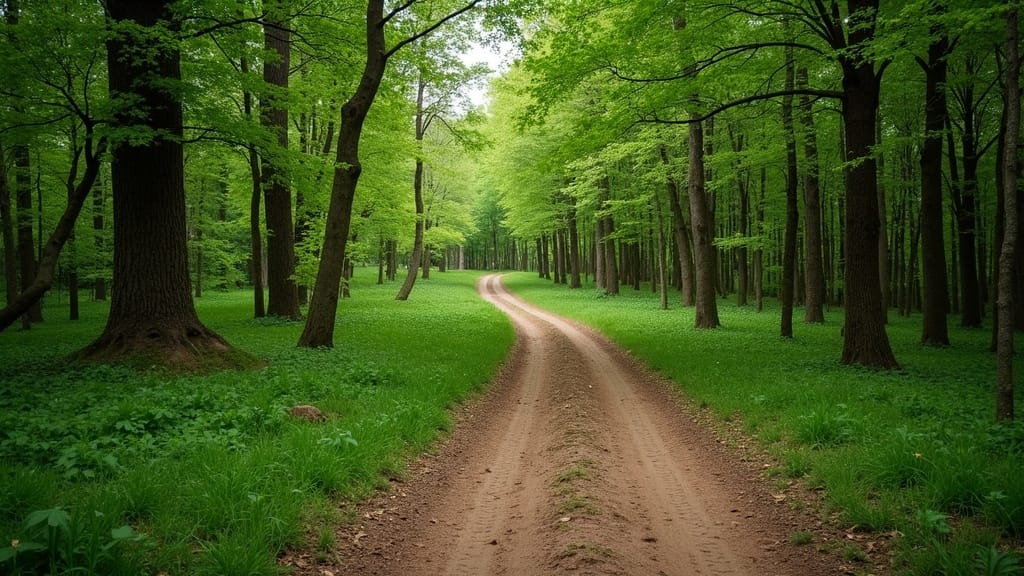
- Take a relaxed ride through the local woods to connect with nature.
- Join a group for a longer loop that covers hills and rivers.
- Test my horse on new terrain to build both our confidence.
- Spend a weekend camping and riding with friends or family.
Once I know what kind of experience I’m after, every decision gets easier, from location to the gear I bring. Sometimes, I even write down my intentions for a particular ride; it helps keep me focused and excited. Whether you’re chasing peace and quiet or looking for something more energizing, setting your goals at the start makes it easier to plan every detail.
Pick a Trail That Suits You and Your Horse
I start by looking up local trails and reading reviews. Not all trails are the same; some are flat and easy, while others are steep, rocky, or have water crossings. Think about your horse’s abilities, not just your own.
How I Choose a Suitable Trail:
- Check the distance and elevation change. A five mile flat trail is easier than a short but hilly one.
- Look for info about footing, obstacles, and shared use (bikes, hikers, ATVs).
- Make sure the trailhead allows horses and has trailer friendly parking.
- Review maps and see if there are water sources and shade along the way.
Tip:
When I try a new trail, I sometimes walk sections on foot first or ride with someone who knows the area. This boosts my confidence and helps me spot potential challenges. Local riding clubs or social media groups can be a goldmine for up-to-date trail info as well.
Get Your Horse Ready for the Ride
Even if my horse is good in the arena, trail riding brings new surprises. Wildlife, strange sights, and changing footing are just some things that can make horses nervous. It’s really important to make sure my horse is ready both mentally and physically.
How I Prepare My Horse:
- Expose my horse to common trail sights before the big day (bikes, dogs, water, bridges).
- Make sure my horse loads into the trailer without issues and stands tied calmly.
- Check my horse’s hooves and shoes a few days before, and trim or shoe if needed.
Saddling Tips:
- Inspect all tack for wear or damage.
- Pack a halter and lead, even if using a bridle on the ride.
- Use saddlebags and make sure everything is secure and doesn’t bounce around.
My own experiences with unprepared horses on the trail have taught me that patience, groundwork, and desensitizing in advance are worth every minute. I also like to have a short refresher route close to home if my horse seems anxious at the trailhead—it makes a big difference to start calm and positive.
Pack Smart: What I Bring On Every Trail Adventure
Packing can make or break my ride. I’ve found that I don’t need to bring everything I own, but there are a few must haves that make the adventure safer and more comfortable for both me and my horse.
Trail Riding Essentials:
- Water for me and my horse (even if there are streams, I carry extra just in case).
- Snacks and a small first aid kit for both horse and rider.
- A map of the trail, plus a fully charged phone or GPS device.
- Hoof pick and pocket knife.
- Weather appropriate clothing, like a rain jacket or extra layers.
- Insect repellent and sunscreen.
If I Plan to Be Out All Day or Overnight, I Add:
- Feed and hay for my horse.
- Portable fencing or highline kit for tying out overnight.
- Flashlight or headlamp.
- Emergency fire starter.
Pro Packing Move:
I use a checklist on my phone, so nothing gets forgotten even if I’m in a hurry early in the morning. This simple step has saved me from arriving at the trail without a girth or helmet more than once! Personalizing your packing list based on your planned route and weather is always a smart idea, too.
Stay Safe: My Best Tips for Enjoying the Ride
Trail riding isn’t just about physical preparation. Safety on the trail is just as important for my peace of mind. I always let someone know where I’m going and when I expect to be back, even if I’m riding with friends.
Safety Habits I Rely On:
- Check the weather in advance and reschedule if things look risky.
- Wear a helmet, no matter how calm my horse is.
- Stick to marked trails and avoid shortcuts.
- Be alert for wildlife and yield to hikers or bikers as needed.
- Carry an ID and emergency contact info.
If Something Unexpected Happens:
If my horse spooks or something goes wrong, staying calm helps both of us. I practice simple cues and ground work at home, which helps me regain control or even dismount and lead my horse if necessary. The key is to trust your training and adapt as necessary—never be afraid to stop and regroup if you or your horse feel unsure.
Enjoy the Adventure: Stay Present and Have Fun
Once all the planning is done, the best part starts, getting out and enjoying the ride. I remind myself that not everything goes as planned, but being present and flexible makes the ride much better. I take time to appreciate the view, bond with my horse, and chat with friends along the way.
Ways I Make the Most of the Experience:
- Take photos and notice interesting plants or animals.
- Stop for a break at pretty spots, letting my horse snack and drink.
- Share stories and laugh with group members. Riding with others brings out the best moments.
Even when things don’t go perfectly, I focus on the adventure in front of me. Each ride teaches me something new about myself and my horse. Bringing a journal or jotting a few notes after can help you remember little wins and plan for future rides, too.
Common Trail Riding Questions & Troubleshooting
What if my horse gets nervous on the trail?
I give my horse time to adjust. Short, easy rides, sometimes in the company of calmer horses, help a lot. Patience and consistency are key. Try not to rush progress—each ride will help boost your horse’s trust and comfort.
How do I handle getting lost?
Staying calm and retracing my steps works most of the time. I carry a map and phone, and if needed, I ask for help from other riders or hikers. It’s really important to pay attention to trail markers and landmarks. Giving yourself extra time in case you need to double back can also keep stress levels low.
What gear do I skip for short rides?
- I leave out overnight gear, extra feed, or bulky saddlebags for a short trip. Water, first aid, snacks, and a phone are always with me, even on quick outings.
How do I help my horse adjust to new terrain?
Introduce new footing surfaces at home if possible—walk your horse over logs, gravel, or shallow water in a controlled environment before heading out. This gives your horse more confidence when you tackle those challenges out on the trail.
Ready for Your Trail Riding Adventure?
Planning pays off when I see my horse relaxed on the trail and I can soak in the moment without worries. If you’re itching for adventure, start small, build confidence, and add new trails as you go. Every ride is another chance to learn and have a great day outside. As you explore more routes, you’ll stumble upon secret viewpoints, hidden creeks, and meet other trail enthusiasts who can swap tips and stories.
Your Quick Start Checklist:
- Pick a trail that matches your (and your horse’s) experience level.
- Pack key gear and check your tack the night before.
- Let someone know your plans and review the weather before you go.
Do you have a favorite trail or a tip from your own riding adventures? Share it below; your insight might help another rider start their own adventure! The open trail is calling—happy riding!
Shop Tips
Protective earbuds for horse riding on amazon
Action cameras for horse riders on Amazon
Protective eyewear for horse riding on amazon
Reflective horse riding gear on Amazon
Helmets for horse riders on Amazon
Happy riding! 🐎
Build Your Online Business
and Learn Affiliate Marketing
See you there!
Our Unique Value Propositions
Discover why Chwals GPT is the top choice for equestrians looking
to build their online presence (register for free)
Tailored Equestrian Expertise – Community Connection – Intuitive User Experience