
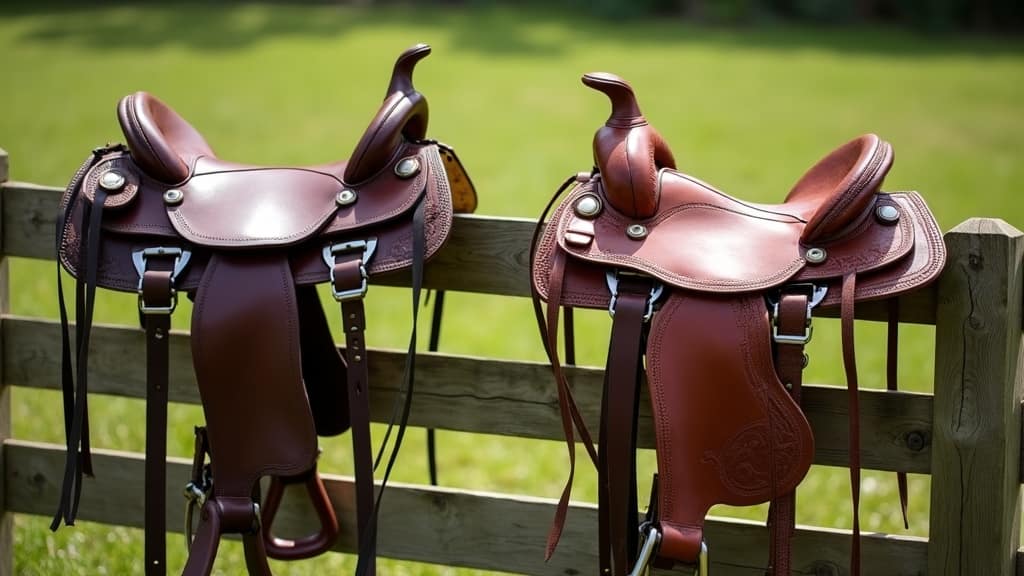
Select The Right Saddle For Your Horse with A Buyer’s Guide
Selecting the right saddle is really important, not just for your horse’s comfort but also for your own comfort and safety while riding. As someone who has spent time in the saddle and tried out different styles, I know that a well-chosen saddle can make riding much more enjoyable for both you and your horse. The number of options can feel overwhelming, but breaking down the factors can actually make the process clearer and even a bit exciting. If you’re looking to buy a new saddle, this guide will help you find one that fits both you and your horse well.
Why Saddle Fit Matters for Horse and Rider
A good saddle fit is essential for more than just performance. I’ve seen horses with sore backs and riders with aching legs from saddles that don’t fit correctly. Choosing one that matches your horse’s shape and your own needs helps avoid pain and possible injury. An uncomfortable saddle affects everything from your horse’s willingness to move forward to their attitude about being ridden. It might even cause long-term health problems in the back and shoulders.
A study published in the Journal of Equine Veterinary Science shows that improper saddle fit is a leading cause of equine back pain and behavioral issues (source). Careful selection makes a big difference in your horse’s well-being and your connection with them during every ride, so it’s worth taking your time.
Understand Saddle Types and Their Uses
Knowing the difference between major saddle types is a good place to start. Each design serves a specific riding style and purpose, so picking the right one for you depends mainly on what kind of riding you want to do and what makes your horse most comfortable.
- English Saddle: Lighter and smaller, these are made for activities such as jumping, dressage, and eventing. They let you closely connect with your horse, giving more control and precise movement.
- Western Saddle: Built for ranch work, trail riding, and rodeos, Western saddles are heavier and provide a deep seat and high cantle for support. They’re ideal for long hours in the saddle because they spread out your weight more evenly.
- Endurance/Tested Saddles: These saddles provide lightweight comfort for long-distance riding. With extra padding and sometimes flexible trees, they make things more comfortable for both horse and rider over many miles.
- Australian Stock Saddle: A blend of English and Western features, this type gives better security on rough terrain and is great for trail or work riding.
I started with a general purpose English saddle, but soon found that my riding style and my horse’s build changed my priorities. Talking to other riders and trying saddles at tack shops widened my view. If you’re new to horse tack, visiting a local store or asking to try a friend’s saddle on your horse helps you figure out what feels and fits best.
Key Factors in Choosing a Saddle
Picking the right saddle means thinking about your horse’s needs first, then your own. Here’s how I break down the most important points:
- Horse’s Back Shape: Look at the horse’s topline—for example, are they flatbacked or have a pronounced wither? Some saddles work better on wider, flatterbacked horses while others hug high withers more securely.
- Tree Size and Shape: The “tree” is the frame of the saddle. It sets the overall fit. A tree that’s too narrow pinches, while one that’s too wide will rock or slip. Measure your horse or have a professional saddle fitter check their back.
- Seat Size for the Rider: Saddles are sized for the rider, usually ranging from 15 to 18 inches for English and 14 to 17 inches for Western styles. Sit in several to see what gives you support without cramping your movement.
- Purpose: Think hard about what type of riding you’ll do most (trail, jumping, schooling, showing) and match the saddle type to that purpose.
- Quality of Materials: Good leather and strong stitching mean good durability. Synthetic saddles cost less and are lighter, but genuine leather often lasts longer.
- Budget: Set a range. New saddles can get expensive, but used saddles in solid condition are often a smart option, especially when starting out.
A local saddle fitter or tack shop can guide you. Some shops let you “test ride” with a saddle before you buy, and that can really shape your final choice.
A Simple Checklist Before Buying
- Measure Your Horse: Use a wither tracing or flexible curve ruler to get your horse’s measurements. Many brands have fitting guides on their websites.
- Take the Saddle on a Test Ride: Always try the saddle on your horse, ideally with you riding at both walk and trot to check comfort, balance, and stability.
- Check Saddle Fit: Look for even contact along the panels (for English) or skirts (for Western). There should be 2 to 3 fingers’ clearance at the withers and no pinching or bridging.
- Examine Quality: Look closely at the leather, stitching, and hardware. Make sure stirrup bars, billets, or cinch rings are solid and not worn thin.
- Get Professional Input: If in doubt, a saddle fitter can assess fit and suggest gradual changes if your horse is very young, old, or in hard training.
These steps have helped me avoid costly mistakes and returned a few unsuitable saddles without regret.
Common Challenges and Practical Tips
There are some challenges I’ve faced (and seen others face) that can catch even careful buyers off guard. Here are a few and how to handle them:
- Changing Horse Shape: Horses gain and lose weight, develop muscle, or age—changing their back shape. Adjustable trees or pads help you handle these changes, and I check fit at least twice yearly.
- Pain or Soreness After Riding: If your horse seems stiff, resistant, or has soreness on their back, check saddle fit right away. It may need adjustment or replacement.
- Budget Limits: Expensive saddles may not always be better. Wellcaredfor used saddles or brands known for quality at lower prices (such as Wintec, Thorowgood, or older Tucker) are a smart move.
Adjusting to a New Saddle
When I get a new saddle, I bring it in slowly to my horse. Short, easy rides help prevent pressure sores or muscle strain. Using a cushioning pad at the start sometimes makes the transition easier. Gradually increasing ride times gives your horse’s muscles time to get used to the new saddle and helps you see if further adjustments are needed.
Routine Saddle Care
Leather saddles need regular cleaning and conditioning. Sweat and dirt can cause cracking or stretching. I wipe down my tack every ride and deep clean every month. Synthetic saddles are easier to look after. Just use water and a mild soap. Always store saddles in a dry spot and use a cover to keep dust and sunlight off.
Frequently Asked Questions
These are some of the main questions I often get from new riders or friends looking to buy their first saddle:
Question: How do I know if the saddle fits my horse properly?
Answer: The saddle should have even contact along its length, leave room at the withers, and not tip forward or back when you ride. If you see dry spots after a ride or notice your horse behaving differently, the fit might not be right.
Question: Should I buy new or used?
Answer: Both choices work, as long as the saddle is structurally sound. I’ve had good experiences with used saddles, but I always have them checked for tree damage or loose stitching before using them.
Question: What about saddle pads—how do they affect fit?
Answer: Pads can help with minor fit issues or add comfort, but they won’t fix a badly fitting saddle. I use them for extra cushioning or if my horse changes shape between seasons.
Final Thoughts on Finding the Right Saddle
Taking the time to select a good saddle benefits you and your horse every time you ride. Paying attention to how your horse feels, keeping in mind that their shape changes over time, and sticking to a solid care routine helps your investment last. Even if it’s your first time buying, thoughtful choices pay off for years, whether you’re riding the trails or competing in the arena. Happy riding!
Build Your Online Business
and Learn Affiliate Marketing
See you there!
Our Unique Value Propositions
Discover why Chwals GPT is the top choice for equestrians looking
to build their online presence (register for free)
Tailored Equestrian Expertise – Community Connection – Intuitive User Experience


