The Different Types Of Equestrian Events
Equestrian events have fascinated people for centuries, and every type brings its own excitement, skills, and tradition. Whether you’re completely new to horse sports or just want to know what makes each event unique, understanding their differences can help you appreciate what riders and horses work so hard to achieve. I’ve spent years watching, photographing, and even participating in some events, so I know how much dedication goes into mastering the basics. Here, I’ll walk you through the most popular types of equestrian events and what makes each one special.
Major Types of Equestrian Events
Equestrian sports include a lot more than just the classic image of a show jumper clearing a huge fence or a galloping horse on a race track. The range of events covers everything from speed and agility to elegance and precise teamwork. Some are Olympic sports with global followings, while others are more regional but just as challenging. Here’s an overview of the top categories you’ll find at horse shows and competitions around the world.
Every event tests a mix of skills for both rider and horse. While jumping events focus mainly on agility and timing, other disciplines such as dressage highlight the communication and subtlety in horse and rider partnerships. Each event has its own rules, judging systems, and history, so getting familiar with the main types is a great starting point for anyone interested in the sport.
English Riding Events
English riding is the style most people associate with traditional horse shows, the Olympics, and formal events. The main disciplines under the English riding umbrella each call for different riding skills and training methods, so if you’re thinking about getting into this branch of equestrianism, it’s well worth looking at what makes each unique and rewarding.
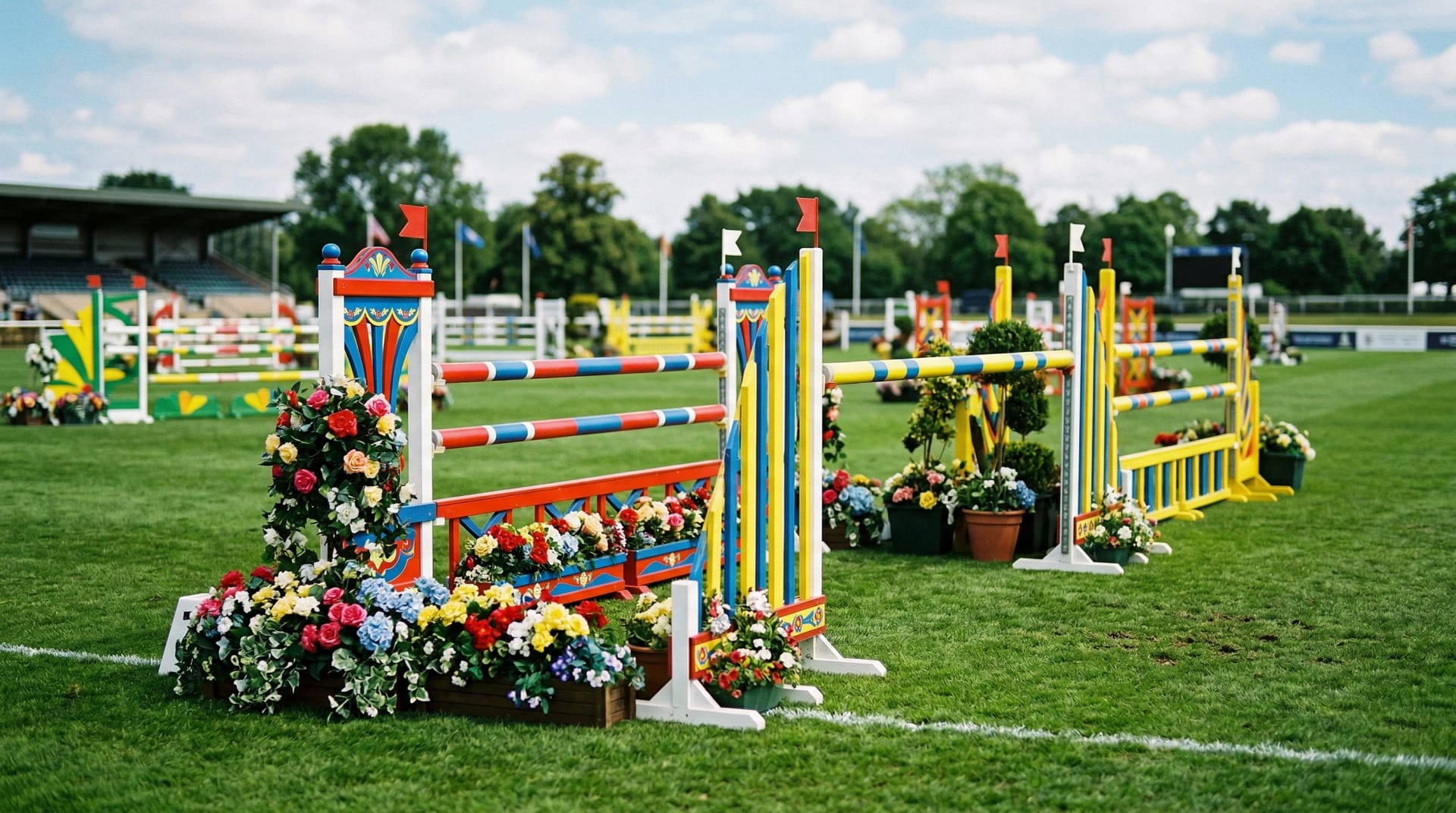
- Show Jumping: This event is all about speed and accuracy. Horse and rider must clear a course of brightly colored fences without knocking them down. Every refused jump or fallen pole adds penalties, so a clear round in the fastest time wins. Show jumping often gets a lot of attention on TV during the Olympics and major horse shows.
- Dressage: Sometimes called “horse ballet.” Dressage is about precision, rhythm, and the perfect partnership. Horses perform a set sequence of movements (called a test) and judges look for accuracy, fluidity, and obedience. To the untrained eye, it might look calm or even easy. However, getting those subtle moves just right is one of the hardest challenges in riding. Dressage levels range from introductory to extremely advanced, so there’s room for all skills.
- Eventing: Eventing is like a triathlon for riders and horses. It combines dressage, cross country, and stadium jumping, usually over three days. Each phase tests different areas: dressage for control and accuracy, cross country for bravery and endurance, and show jumping for agility and timing. Competing at the highest level in eventing requires lots of time, practice, and the right horse. Lower levels still offer plenty of challenge and fun for those starting out.
- Hunter Classes: Hunter competitions focus more on the horse’s style, movement, and attitude as it jumps a course. Judges don’t just look at whether fences fall, but also how smoothly and elegantly the horse and rider finish the course. These events come from fox hunting traditions and often reward a “classic” look, with the horse’s form and rider’s poise as top priorities.
Western Equestrian Events
Western riding grew from the traditions of cattle ranch work. The tack looks different, the rider’s position is more relaxed, and the events focus on quick decisions and responsiveness. Here are some of the most popular western competitions, which often bring a dynamic, high-energy flavor to the show ring or rodeo arena.
- Reining: In reining, horse and rider perform a pattern featuring sliding stops, spins, and fast to slow transitions. Every move gets judged for accuracy and style. Reining looks eye-catching and is often called the most “Western” of Western events.
- Barrel Racing: One of the fastest horse sports, barrel racing measures how quickly a horse and rider can weave a cloverleaf pattern around three barrels. It calls for speed, tight turns, and smooth teamwork. Barrel racing is especially popular at rodeos.
- Cutting: This event comes straight out of cattle ranching. The rider must separate one cow from a herd and keep it from returning for several seconds. It’s a fast-paced event that demands both smart strategy and strong instincts from the horse.
- Western Pleasure: Judges in Western Pleasure look for a calm, responsive horse that moves smoothly at the walk, jog, and lope. Horses must look pleasant to ride and behave well in a group. This event rewards good training and a strong partnership between horse and rider.
Endurance and Timed Events
Endurance events focus on stamina, conditioning, and how well a horse can maintain pace over long distances. The classic endurance ride is the 100 mile race, but shorter versions exist. Riders and horses face all kinds of terrain, from mountain trails to desert flats, and both get checked by veterinarians at regular points to make sure they stay healthy. Water stops and vet checks are essential for safety throughout the ride.
Besides traditional endurance, you’ll also see timed games like gymkhana (often called games classes) at smaller horse shows or club events. These races include pole bending, keyhole, and flag races. Fast times and tight control matter most, so these games are really fun to watch and offer a great way to practice speed and coordination. They’re especially popular with kids and offer a friendly, low-cost entry into horse sports.
Other Equestrian Disciplines You Might See
Not every horse sport fits neatly into the English or Western categories. Some are based on tradition, others on modern skills. Here are a few others I’ve run across that add more flavor and diversity to the world of horse competitions:
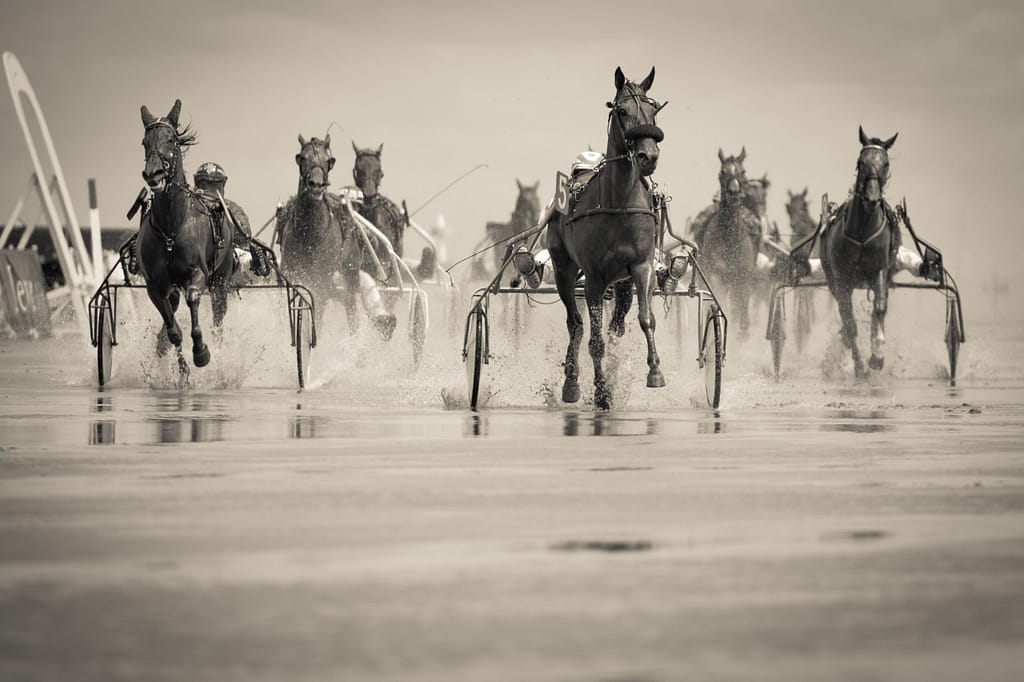
- Driving: Instead of riding, the horse pulls a carriage or cart. Driving competitions test the horse’s obedience, stamina, and ability to handle obstacles. There’s also competitive carriage driving, where teams maneuver through challenging courses at speed and show impressive control.
- Vaulting: This is gymnastics on horseback. Vaulters perform routines while the horse circles at a canter, often in a group. Balance, timing, and athletic ability are all really important. Watching vaulting is always exciting as the performances mix artistry with horsemanship.
- Polo: A fast paced team sport played on horseback, polo uses long handled mallets to hit a small ball into the opposing goal. Good teamwork, riding skills, and quick decisions are key to winning this game. Polo is regarded as one of the oldest and most international horse sports.
- Saddle Seat: Showing specifically bred horses with high stepping gaits, saddle seat is all about elegance and distinctive movement. Judges look for lively, stylish action in the show ring and the bright presence of both horse and rider.
Getting Started? How to Choose the Right Equestrian Event
Starting out in equestrian sports can feel like a big step, especially when there are so many different events to try. My advice is to watch local shows, talk to horse owners, and even take a lesson or two in both English and Western riding styles. Spending time around different horses and trainers helped me figure out which discipline I connected with most.
Here are some steps that helped me, and that could help you too:
- Try Different Lessons: Many stables offer beginner programs in multiple disciplines. By trying out lessons in dressage, jumping, or even barrel racing, you’ll get a feel for what fits your interests and riding style. You might stumble upon a passion for a niche event you never expected!
- Consider Your Horse: If you already have a horse, its breed, temperament, and training may make some events better fits than others. Some horses love jumping while others shine in trail or pleasure classes. Consider your horse’s natural strengths when picking an event.
- Look for Local Events: Attending local horse shows, rodeos, or endurance rides is a great way to learn. Watching how riders and horses interact up close gave me insights on technique, etiquette, and the real life feel of competition day. Check in with event organizers or trainers for advice on being a spectator or trying your hand as a beginner.
- Decide on Your Goals: Some people want to compete at a high level, while others are happy with social trail rides or small club events. Setting realistic goals early on can guide your training choices and equipment needs. Thinking about your available time, budget, and access to resources helps make the decision less overwhelming.
Common Challenges in Equestrian Competition
No matter which type of event you pick, there are challenges that every rider faces early on. Getting used to the rhythm of the horse, understanding the rules, and building up strength takes time. Here are a few things I’ve learned from my own missteps and wins that might save you some trial and error:
- Horse and Rider Fitness: You don’t need to be in Olympic shape, but both horse and rider must be reasonably fit for most competitions. Endurance events in particular need ongoing conditioning for both. Regular riding and cross training can give a boost to your stamina and fun in the saddle.
- Learning the Rules: Each event has its own rulebook. Small things, like tack requirements or course design, differ and can make a big impact on your scores or times. Staying sharp and double checking the event’s handbook prevents surprises.
- Finding the Right Horse: It can take a while to find a horse that fits you, not just in size, but personality and abilities. Sometimes, a lesson program or part lease is a good way to get started without a full commitment right away.
- Dealing with Nerves: Even experienced riders can feel nervous before a competition. I’ve found that preparation, positive self talk, and support from friends makes a big difference. Visualization and practice rides also help keep anxiety in check, letting you have more fun out there.
Frequently Asked Questions About Equestrian Events
Here are some of the most common questions from people new to horse sports.
Question: What is the most beginner friendly equestrian event?
Answer: Many riders find hunter and low level dressage classes very welcoming to beginners. Trail riding and pleasure classes are also good options before moving into more technical or speed based events.
Question: Can any horse compete in any event?
Answer: While almost any horse can have fun in local events, certain breeds are better suited to specific kinds of competition. For example, Thoroughbreds excel at jumping, while Quarter Horses are often seen in Western events. Training, temperament, and soundness are all really important factors.
Question: How do I know which discipline is right?
Answer: Take lessons in several, watch events, talk to trainers, and see where you and your horse are most comfortable. It’s normal to try a few before settling on one.
Real World Applications… What Do Riders Gain?
Joining equestrian events isn’t just about ribbons or trophies. Horse sports teach enormous patience, discipline, and responsibility. Working with horses builds confidence and empathy, whether you’re riding for fun or aiming for high level competition. I still remember my first small show win; that feeling of accomplishment stayed with me long after the rosette faded.
Besides the skills and connections, riding opens doors to new friendships, networking, travel, and even career options, from horse training to event organization and photography. Equestrian events are also great for families and communities because of their blend of tradition, teamwork, and celebration. The community you’ll join by getting involved is supportive and passionate, making each season and show something to look forward to.
Enjoy your equestrian journey! 🏇
Build Your Online Business
and Learn Affiliate Marketing
See you there!
Our Unique Value Propositions
Discover why Chwals GPT is the top choice for equestrians looking
to build their online presence (register for free)
Tailored Equestrian Expertise – Community Connection – Intuitive User Experience