The Evolution Of Horse Breeds Over The Centuries
The story of horse breeds winds through almost every page of human civilization. Horses have shaped our lives for thousands of years, helping build empires, move agriculture forward, and inspiring art and sport. I want to look deeper into how horse breeds have changed over the centuries, evolving with the needs and ambitions of the people who raised them and the lands they inhabited.
How Early Humans Influenced Horse Breed Development
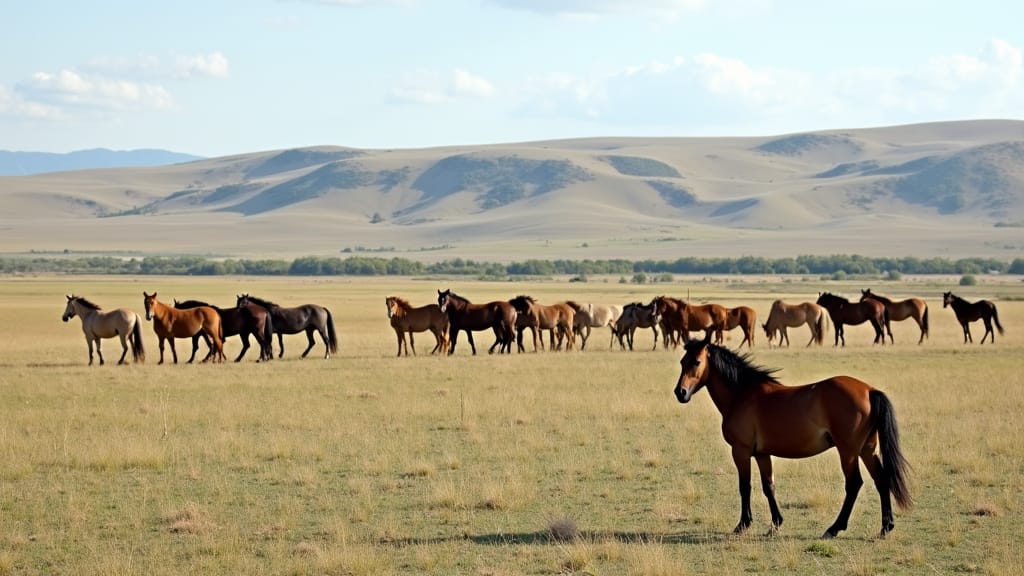
At the start, people didn’t have the hundreds of horse breeds we know today. The first domesticated horses showed up around 3500 BCE in the Eurasian Steppes, likely in what is now Ukraine, Russia, and Kazakhstan. These early horses were smaller and more solidly built than most breeds you’d see today. People picked horses for riding, hauling, and their personalities.
Selective breeding became more common as humans traveled and settled new lands. Groups bred horses that suited their lives and home climates. For instance, desert tribes picked horses with speed and stamina, while farmers wanted calm, strong animals to pull plows and wagons.
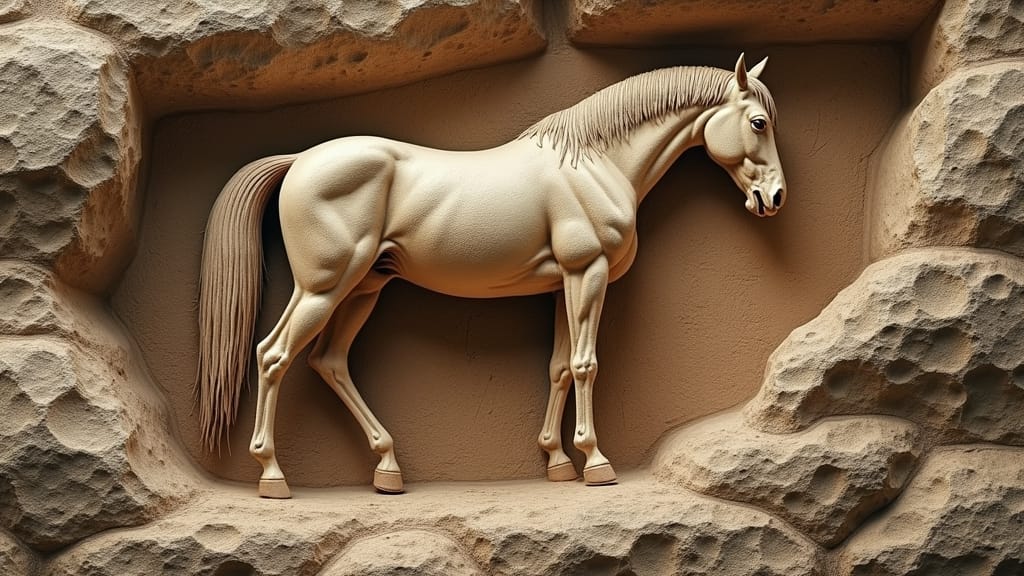
Horses soon became partners in discovery, warfare, and transport. Each new role helped shape new traits and, eventually, unique breeds. It’s interesting to see how ancient people shaped these changes long before written records became common.
Major Periods of Change in Horse Breeding
There are several chapters where horse breeding took big steps forward:
- The Classical Era: Ancient Greeks, Persians, and Romans bred horses for war chariots and mounted warriors. Breeds like the AkhalTeke and Arabian come from this period. Their traits, such as stamina and sturdy builds, helped warriors travel farther.
- The Middle Ages: Knights in heavy armor needed big, muscular horses. Breeds such as the Shire and Percheron rose in popularity. These horses carried riders and armor weighing hundreds of pounds, forever changing warfare.
- Early Modern Period: As armor became less important and new needs arose, lighter, more flexible horses took over. The Thoroughbred, for example, developed in England in the 17th and 18th centuries for racing and hunting. This period introduced organized horse racing and the first studbooks.
Seeing these turning points, it’s clear how tightly horse history and human history are interconnected.
Key Factors That Shape Horse Breeds
Several main things keep shaping horse breeds over time:
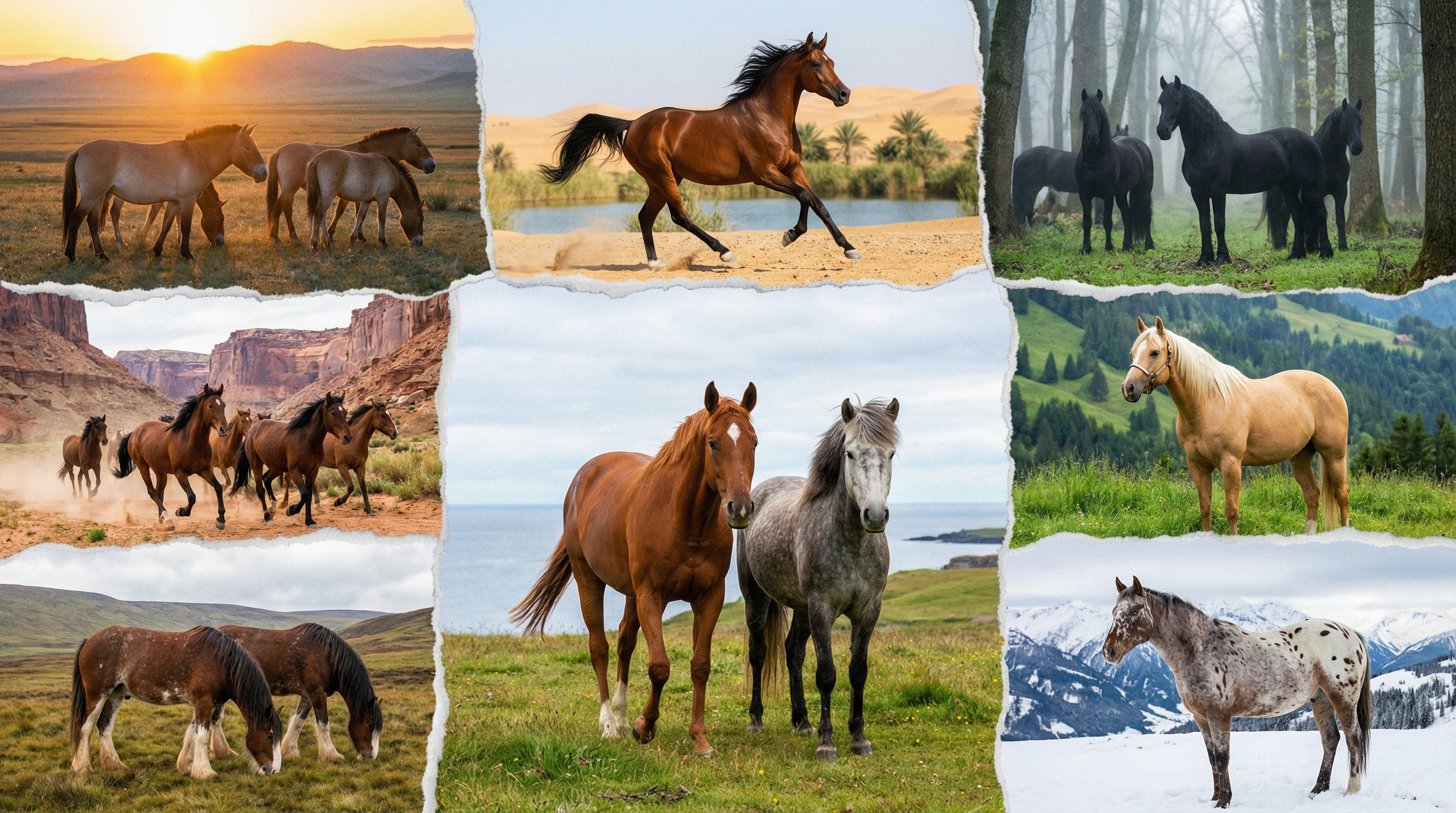
- Geography: Local climate and land make a huge difference. Mountain horses like Icelandics had to survive tough, cold places, while desert breeds had to be tough and fast in hot, dry lands.
- Human Needs: As people’s needs grew, so did the range of tasks for horses—racing, farming, war, sports, and just plain riding.
- Genetic Selection: Breeders picked horses that showed off specific traits, like speed, strength, or calmness. Over time, these traits became stronger within certain breeds.
- Crossbreeding: Adding horses from faraway places brought new features. For instance, the Arabian added stamina and refinement to lots of European breeds.
Modern DNA work shows that while breeds may look different now, many share roots from thousands of years ago.
Common Horse Breeds and Their Historical Purposes
Today’s assortment of horse breeds tells the story of their original jobs and the folks who raised them. Some eye-catching examples include:
- Arabian: One of the oldest on record, created by Bedouin people for long desert trips. Valued for endurance and lively spirit.
- Percheron: A famous French draft breed, once used for heavy work in farming and logging before machines took over.
- Thoroughbred: Raised for speed and agility. These horses are at the center of modern racing and sport horse breeding.
- Quarter Horse: Originated in colonial America. This breed is a champ at sprints and is now the go-to for Western riding and ranch jobs in the U.S.
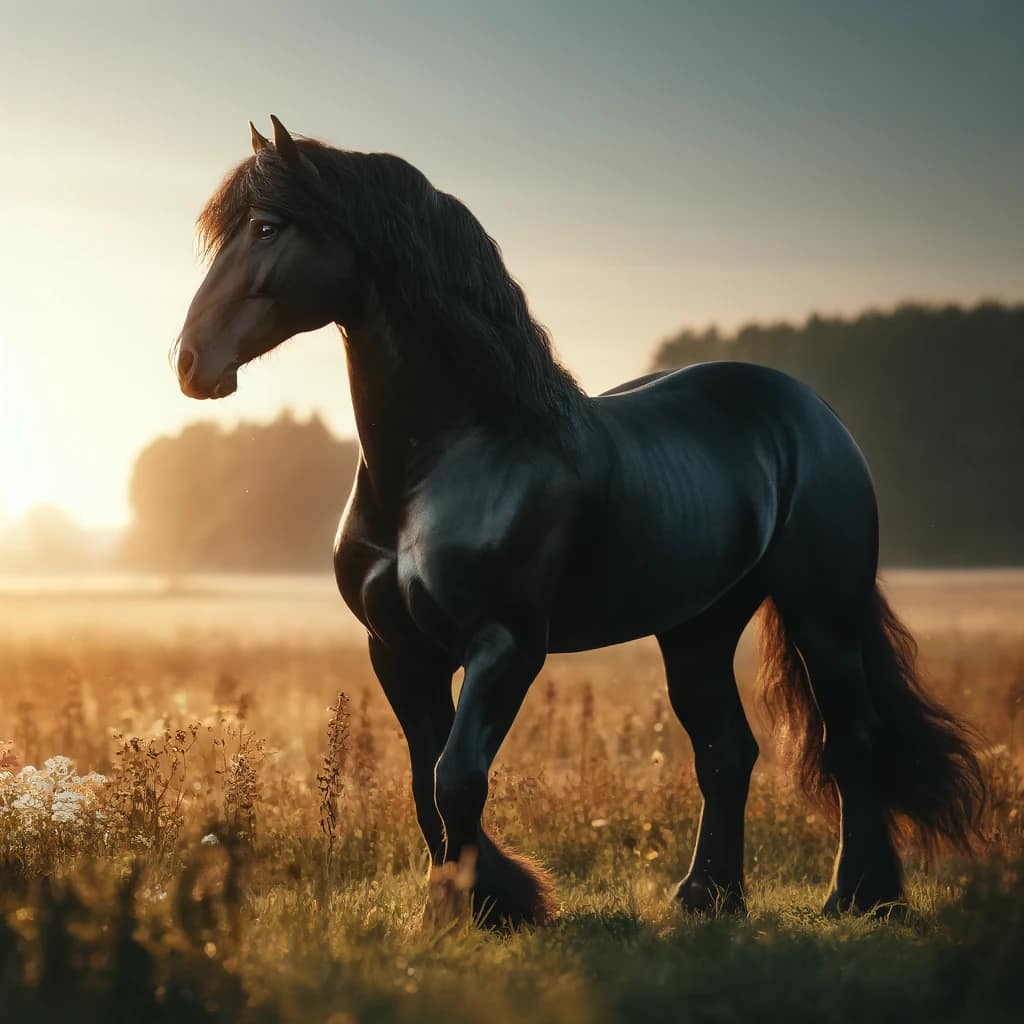
- Fjord Horse: A native of Norway, compact and tough, fit for rough ground and heavy farm work. Their unique manes and calm attitudes remain a badge of honor for Norwegian farmers.
All these breeds showcase a part of human progress, shown through their muscles, builds, and personalities.
Steps That Changed the Course of Horse Breeding
- Early Domestication: Humans began with wild steppe horses, choosing for tameness and muscle. With time, this led to the first horses we’d call domestic.
- Expansion Across Continents: Horses traveled with people from Eurasia into Africa, across Europe, and eventually to the Americas when Spanish explorers reintroduced them in the 15th and 16th centuries.
- Focused Breeding for War and Work: As civilizations grew, horses became bigger and stronger or lighter and quicker, depending on what was needed. War and pIowing required horses bred with extra power and resilience.
- Studbook Era: In the 1700s, breeders began recording pedigrees and creating planned breeding programs. This step ushered in established breeds like the Thoroughbred and Hanoverian.
- Modern Specialization: Today, horses are raised for jobs in shows, racing, or pleasure riding, creating breeds with unique looks or strengths for specific work.
Each stage reminds us that horse breeds, like traditions, change based on what people want and need.
What to Know Before Choosing a Horse Breed
Picking a breed can feel tricky. Through experience, I’ve seen how matching a breed’s size, temperament, and roots to your own needs ensures a smoother partnership. Here are some things to think on before picking a horse:
- Purpose: Riding styles, sports, farming, or companionship—different horses are made for different jobs.
- Experience Level: Some, like Quarter Horses and Morgans, are known for calm temperaments—great for beginners.
- Care Requirements: Some breeds need way more exercise or special diets. For example, energetic breeds like Thoroughbreds need daily movement, while winter-hardy ones like the Icelandic may need shelter from hot summers more than cold winters.
- Local Climate: Horses built for hot, dry weather may struggle in cold or wet areas. Picking a horse used to your climate can cut down health issues and stress for you both.
Why Matching Breed to Purpose Is Really Important
I’ve known riders who picked a horse for its look or what was trending, only to discover it didn’t fit their day-to-day lives. Taking the time to research a breed’s history, quirks, and needs can make all the difference for a happy rider and happy horse.
Advanced Insights? How Modern Genetics Are Shaping Future Breeds
These days, scientists and breeders use genetic tools to get a clearer picture of horse traits and possible health risks. DNA work lets breeders track ancestry, guard against inherited problems, and even rediscover ancient bloodlines that went missing for centuries. This science gives a big boost to breeding programs, making results way more accurate.
Breeding organizations now have more power to maintain genetic diversity and stop problems caused by inbreeding. For example, scientists and conservationists managed to bring the Przewalski’s Horse back from extinction in the wild using careful genetic planning.
Anyone curious about breeding—or even curious horse owners—should know about these advances. They lead to healthier, happier horses and better, more predictable results for future breeders.
Frequently Asked Questions
As someone passionate about horse breeds, I get asked these questions most often. Here are some simple answers:
Question: How many horse breeds exist today?
Answer: There are over 350 recognized breeds out there, from tiny ponies to massive working horses, each made for a certain task or place.
Question: What breed is the oldest?
Answer: The Arabian is mostly seen as the oldest breed, with roots reaching back over 2,000 years.
Question: How do I pick the right horse breed for me?
Answer: Think about what you want to do, your riding level, your local climate, and talk to riders, trainers, or veterinarians who know their way around different breeds.
Question: Are hybrid breeds common these days?
Answer: Crossbreeds have always been part of the horse world. Lots of modern sport horses are crossbreeds. The main thing is watching bloodlines for health and keeping records straight.
Final Thoughts on the Ongoing Story of Horse Breeds
Horse breeds continue to change alongside new technologies, changing needs, and the unique connections people make with these beautiful animals. Whether you’re new to horses or just curious about their history, understanding how they’ve changed over time adds a real sense of respect for the many breeds we have now.
Looking at history, genetics, and hands-on experience helps guarantee we keep shaping strong, healthy, and well-matched horses for future generations.
Understanding horses on Amazon
Build Your Online Business
and Learn Affiliate Marketing
See you there!
Our Unique Value Propositions
Discover why Chwals GPT is the top choice for equestrians looking
to build their online presence (register for free)
Tailored Equestrian Expertise – Community Connection – Intuitive User Experience