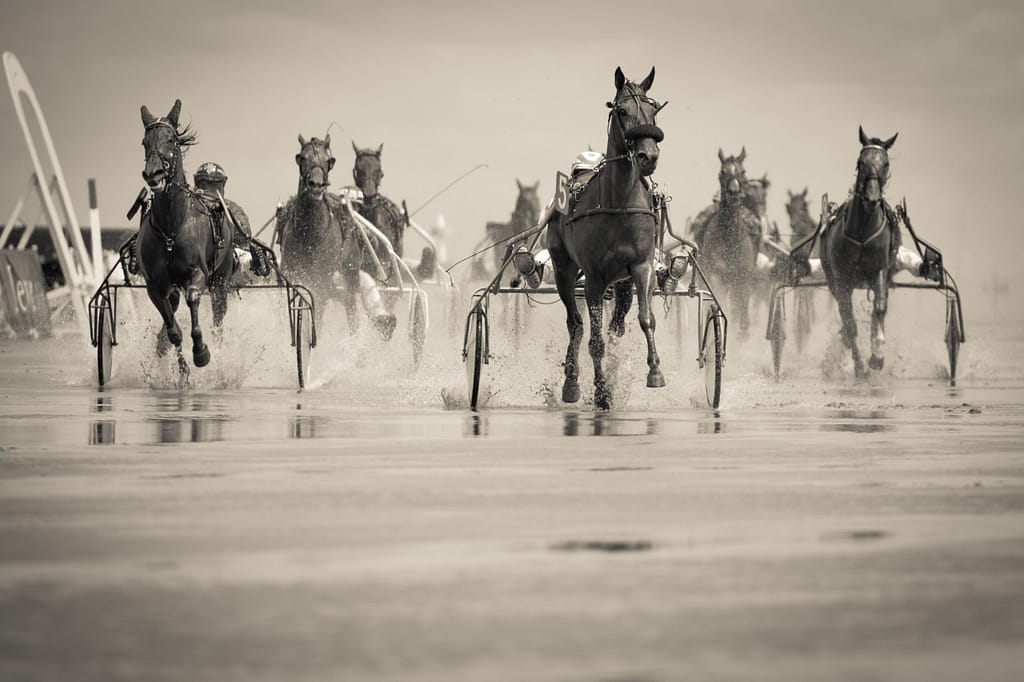
The Renaissance Of Horse Art – From Paintings To Sculptures
Horse art has a special place in the story of human creativity. For centuries, people have been moved by the sight and spirit of horses, finding inspiration in their grace, power, and partnership with humans. Horses have left their mark on cave walls, adorned the tombs of royalty, and now leap into today’s art studios through both hands-on and digital techniques. In this article, we’ll dig into the glow-up of horse art, track down what gives these creations their lasting appeal, and check out how current artists are putting their spin on a truly eye-catching subject.
The Long Tradition of Horse Art
Horse art stretches back thousands of years. The earliest painted records—like the cave walls of Lascaux in France or Altamira in Spain—show horses running across stone, painted with earth pigments. Even back then, it’s clear people felt a deep connection to these animals. With time, horses appeared in the tombs and monuments of Egypt, on Greek ceramics, and in Roman mosaics. Horses helped power ancient cultures, moving people and goods and fighting battles. That’s why artists immortalized them in everyday scenes and mythic stories alike.
The Renaissance marked a high point for horse art. Artists like Leonardo da Vinci sketched horse anatomy in jaw-dropping detail, trying to get every muscle and stride exactly right. Leonardo even designed enormous statues, though some were never finished. In the centuries that followed, even as art grew more abstract, horses stuck around as a favorite challenge. Artists could show their technical chops or pour their feelings into each piece, often both at once.
Modern Takes on Classic Horse Paintings
Look at old horse paintings and you’ll often see them in action, racing, hunting, or carrying proud riders. Names like George Stubbs and Rosa Bonheur come to mind—they were famous for showing off horses’ beauty and unique personalities. But today’s artists have switched things up.
Modern horse art comes in all shapes and colors. Oil painting is a classic, but now you’ll see artists using acrylics, marker, or even adding bits of cloth or wood. Some creators don’t worry about detailed accuracy; instead, they go for emotion and exciting movement, using broad strokes and surprising colors. Abstract horse art has grown fast, with some pieces showing only a blur or suggestion of a horse, yet still capturing its spirit.
Collectors find themselves drawn to both ends of the spectrum. Some want the old-school realism that makes you feel like you could pet the horse; others jump at more expressive, next-level cool works that make a bold statement in modern homes. In every style, it’s about channeling the energy and character of the animal.
The Rise of Horse Sculpture
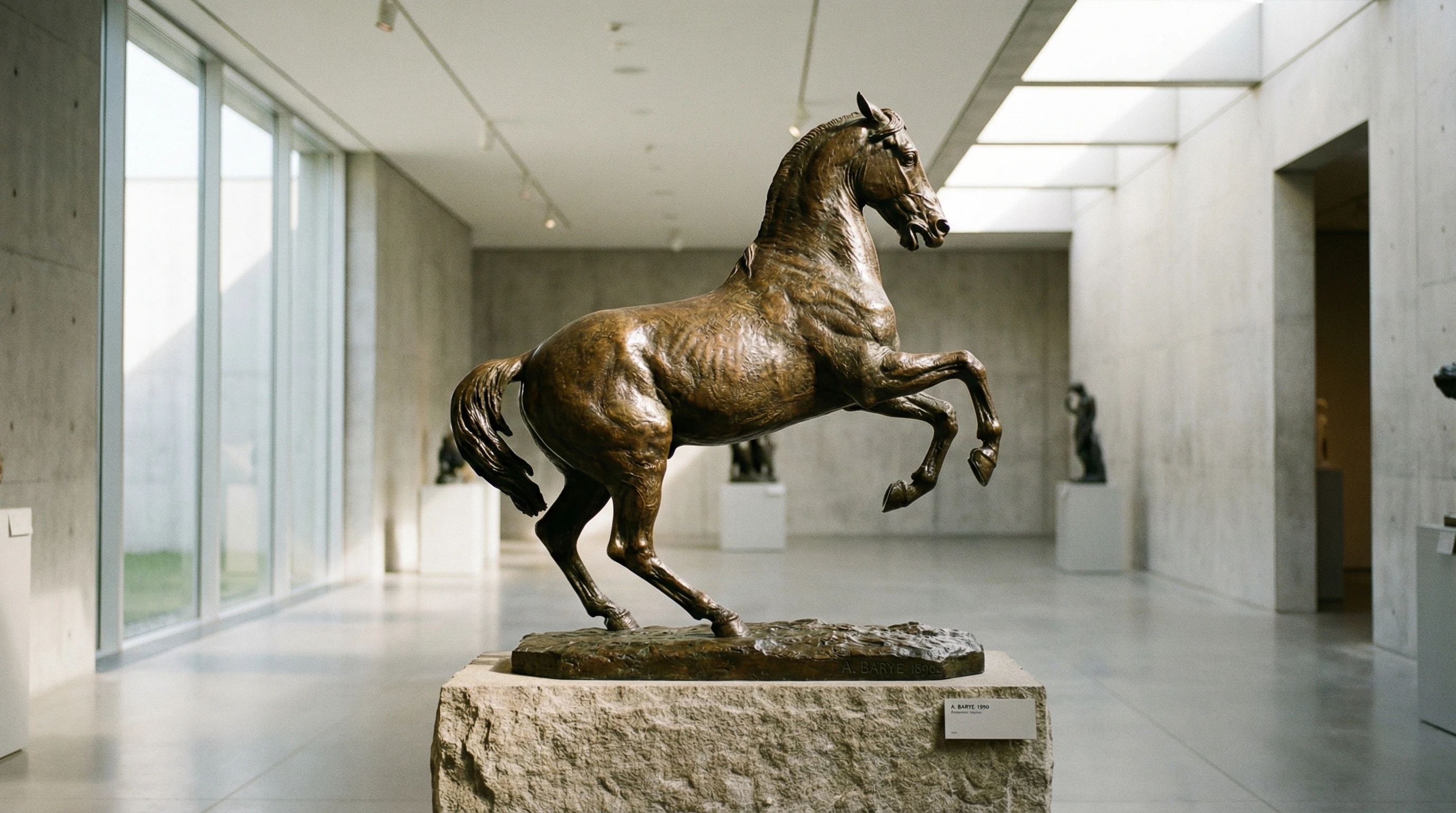
Paintings give us a glimpse into a horse’s world, but sculptures let us walk around and really get a feel for these stunning creatures. From tiny Bronze Age figures to massive stone monuments in city squares, horses have reigned as symbols of pride and power. Riders sit tall atop equestrian statues, still watching over public spaces in Europe, Asia, and beyond.
Today’s sculptors keep the tradition alive but aren’t afraid to mix in new materials and new ideas. Bronze is still popular, but so are recycled metals, wood, plastics—even found objects like horseshoes. Some artists make lifelike horses, careful with every muscle and pose. Others get creative, shaping wild and stylized versions that focus on the horse’s motion or personality above all else.
I’ve seen horse sculptures enhancing parks, shopping plazas, and galleries. Even small indoor pieces add a burst of dynamism and energy to a room. It’s proof that people still feel the pull of the horse, no matter the medium or scale.
Getting Started with Horse Art Collecting
Horse art isn’t just for seasoned collectors; it draws in people of all backgrounds who want to bring something special into their living space or workspace. If you’re thinking about starting your own collection, these tips can smooth the way:
- Check Out Different Styles: Visit galleries or browse online; nothing beats seeing the variety in person to help you pick favorites.
- Track Down the Artist’s Story: Learning about who made a piece and why gives the work even more meaning.
- Think About Your Space: For sculptures, size and material matter. Big outdoor works need sturdy finishes; smaller pieces can set off a desk or shelf.
- Lift Up New Artists: Supporting newcomers is rewarding, and you could score a future classic before everyone catches on.
In the end, listen to your own taste. Collect because a piece calls to you. Over time, you’ll get a feel for which artists and styles you love most.
Materials and Techniques in Contemporary Horse Art
Contemporary horse artists use a huge range of tools and supplies. Oils on canvas are timeless, but digital paintings, watercolors, and pastels are just as common. Sometimes, they blend materials; maybe a painting includes real horsehair, or a sculpture uses found farm parts and wire.
On the sculpting side, bronze and steel still set the bar for durability, especially outdoors. Indoors, you’ll encounter ceramics, resin, driftwood, and all manner of reimagined items. Some wild pieces even weld together horse gear into horses themselves—a fun nod to equine history and sustainability.
Want to make your own? Try basic pencil sketches from photos or real horses, then move up to paints, collage, or small sculptures as you get more comfortable. There’s room for everyone in the horse art world, and playing with materials helps you figure out your unique approach.
Horse Art’s Meaning and Appeal
Why do artists and viewers keep coming back to horses as a subject? Horses seem to stand for freedom, strength, and a wild beauty that connects us to nature. Every time I see a horse painting or statue, it stirs a sense of awe, nostalgia, or peace—sometimes all at once. Horse art especially hits home for folks who’ve spent time riding or caring for them, but even city dwellers get swept up in the magic.
Horse-themed art is more than just decoration. For some, it marks status or honors an important event, like in equestrian portraits. In some places, horse art has spiritual meaning, hinting at adventure and change. Plus, in interior design, horse art can give a home movement, calm, or drama, depending on its style and placement.
Challenges and Opportunities in Horse Art
Drawing or sculpting horses is no easy feat. Their anatomy and movement can stump even seasoned pros—one wrong angle, and something feels off. Live study helps, but even videos can be useful for practice.
The art market itself offers chances and obstacles. Some buyers want their own horses transformed into art, others are after something that stirs emotion or pushes boundaries. The internet, social media, and online galleries have made it easier to get the word out about horse-inspired artwork, letting artists build genuine connections with the equestrian world and devoted fans.
Frequently Asked Questions
Question: What materials are most common in today’s horse sculptures?
Answer: Bronze and steel hold their ground, but resin, wood, and all sorts of mixed or found materials pop up too. Artists pick materials based on style, location, and personal flair.
Question: How do I pick horse art to suit my space?
Answer: Think about the vibe you want. Classic realism lends elegance, while modern, colorful works add edge. When it comes to sculpture, size and material should match your room’s layout and your own taste.
Question: Where can I learn to draw or paint horses?
Answer: Many art guides, web tutorials, and local classes focus on horse art. Watching horses in live settings—or even old photos—can also offer fresh inspiration.
The Bright Future of Horse Art
As horse art’s popularity spreads, it stays fresh by mixing tradition with new ideas and tech. Artists are checking out digital painting, 3D printing, and earth-friendly supplies, suggesting loads of creative surprises ahead.
Whether you’re a longtime art fan or a rookie, horse art keeps things interesting. The blend of movement, beauty, and emotional punch found in these works makes sure there’s always something to connect with—or just to admire in a new way.
Build Your Online Business
and Learn Affiliate Marketing
See you there!
Our Unique Value Propositions
Discover why Chwals GPT is the top choice for equestrians looking
to build their online presence (register for free)
Tailored Equestrian Expertise – Community Connection – Intuitive User Experience