
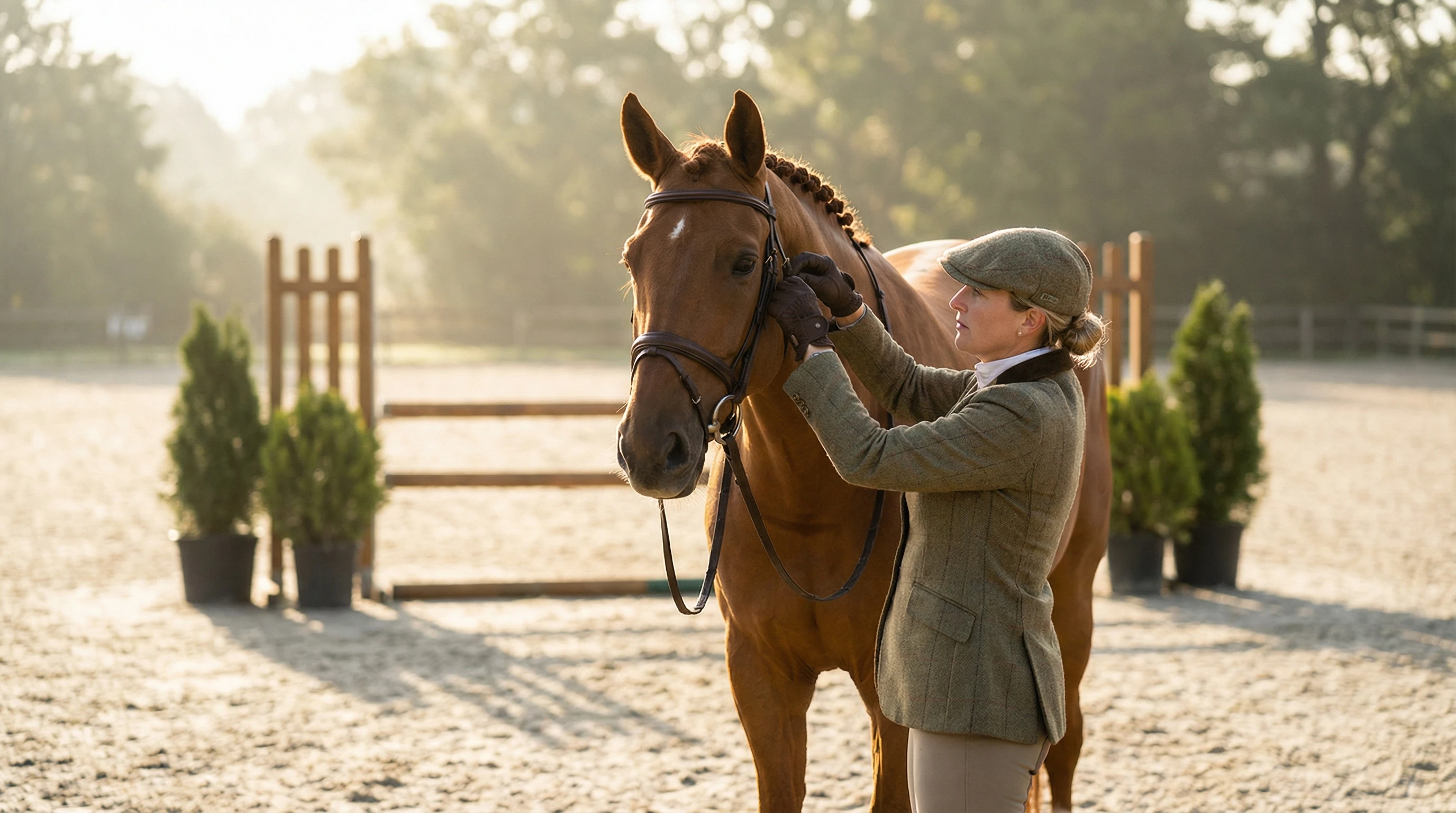
The Role Of The Trainer In Competitive Horse Sports
The world of competitive horse sports is fascinating and fast-paced, but what really shapes the adventure from promising raw talent to polished arena performance is the sometimes-overlooked influence of the trainer. From selecting the right horse to managing high-pressure events, a skilled trainer can make a serious difference in results, horse welfare, and the rider’s own development.
The Core Responsibilities of a Horse Trainer in Competitive Sports
A trainer in the context of competitive horse sports takes on a range of responsibilities, all geared toward maximizing both the horse’s potential and the overall success of a team. Competitive horse sports can include show jumping, dressage, eventing, reining, or racing, and each discipline comes with its own demands. The trainer’s job isn’t just about getting horses and riders into the winner’s circle; it’s about building a foundation of trust, technique, and strategy.
Trainers act as coaches, mentors, animal welfare advocates, and logistical organizers. The right trainer looks after not only physical fitness but also mental readiness, helping both horses and riders stay sharp through the season’s pressure. And with more people stumbling upon equestrian sports worldwide, the role of the trainer is becoming more visible and valued than ever before.
Get Started. The Trainer’s Influence on Young Horses and Riders
Bringing up a young horse or rider to the competitive level takes patience, knowledge, and clear communication. Trainers are often the first to spot raw talent, whether it’s a horse with natural agility or a rider eager to learn. Early training experiences set the tone for a horse’s whole competitive career.
For young horses, trainers focus on building confidence, teaching basic cues, and gradually introducing them to show environments. With riders, trainers teach safe horse handling, foundational riding skills, and proper care routines. These basics are really important for everything that comes afterward. Once the foundation is strong, the path to competition looks a lot more promising.
- Groundwork and Manners: Trainers help young horses learn how to lead, stand, and respond calmly to people.
- Skills Assessment: Trainers check in to see where both horse and rider shine, and what needs work.
- Routine Building: Consistent, positive routines create a sense of comfort and reliability for the animals.
It’s at this stage that trainers start to foster an atmosphere of trust and curiosity—two essentials for success in the ring. The very first show experience can be the difference-maker, so careful introduction and positive reinforcement set the groundwork for a promising career. Plus, trainers keep lines of communication wide open between owners, veterinarians, and new riders, making the learning curve less steep for everyone involved.
Key Aspects of Training for Competition
Getting ready for horse shows and competitions means much more than a few practice rides. Trainers design tailored programs that match the unique abilities of each horse and rider. These programs break down complex skills into smaller steps, build stamina, encourage focus under distraction, and make sure horses peak on competition days.
Competitive trainers juggle a few main tasks for peak results:
- Physical Conditioning: Horses need the right mix of cardio, flexibility, and strength work. Trainers manage daily exercise plans, adjust feeding, and spot early signs of soreness or fatigue.
- Technical Drills: Trainers drill jump courses, dressage patterns, or race starts, repeating skills until muscle memory takes over.
- Strategy Sessions: Understanding the rules and nuances of each discipline, trainers introduce riders to tactics that give them a competitive edge.
- Mental Prep: Trainers teach riders stress management, show nerves control, and focus routines so both horse and rider stay cool under pressure.
By attacking each of these points, trainers fine-tune what happens on the day of the big show. Trainers also keep up with current trends in horse sports—such as new warm-up methods, tech tools for monitoring performance, and fresh techniques in rider fitness—to make sure their teams always stay ahead of the curve. This means more time spent brainstorming ways to game plan for tough courses, unpredictable weather, and all the surprises that competitions can throw their way.
When Challenges Pop Up… Common Hurdles for Trainers
Trouble pops up in horse sports just like anywhere else. Trainers have to deal with unpredictable weather, injuries, competition nerves, and the occasional equipment malfunction. They also act as the main link between owners, vets, farriers, and event organizers.
- Horse Temperament: No two horses are the same. Trainers need plenty of patience and creative thinking to work through tricky behaviors or resistance.
- Injuries: If a horse or rider gets hurt, trainers adjust schedules and often coordinate care to help everyone bounce back.
- Travel and Logistics: For traveling teams, trainers move horses safely between shows and handle rules about stabling, documentation, and international travel when necessary. More on travel readiness from Practical Horseman Magazine.
- Competition Stress: Showing horses can get tense. Trainers work to keep both animals and people relaxed in high-stakes environments.
Adapt To Horse Personalities
I’ve found that horses are a lot like people when it comes to learning. Some are bold and love new challenges, while others can be anxious or stubborn. Adjusting your approach depending on the personality in front of you is a big part of being a really effective trainer. There’s no “one size fits all.” Those subtle changes in voice, handling, or routine often make all the difference.
Address Setbacks and Plateaus
Plateaus in progress pop up often. A horse might suddenly refuse a type of jump, or a rider gets stuck perfecting a lead change. Trainers dig into the root causes. Maybe it’s pain, misunderstanding, or plain boredom. Trainers help break through by switching up routines, dialing things back, or mixing in new exercises. Experience really pays off during these frustrating moments. Trainers also practice keeping an eye out for subtle changes in attitude that could signal discomfort or brewing problems, stepping in early to avoid setbacks whenever possible.
Tips for Trainers Wanting to Level Up Their Game
Staying sharp as a trainer means always learning. The best trainers read new studies, watch lessons from other experts, and keep up with rule changes and equipment innovations. Here are a few ways to keep growing in the role:
Keep a Training Journal: Tracking each horse and rider’s progress helps trainers spot patterns, catch problems early, and set fresh goals.
Teamwork and Networking: Working alongside vets, farriers, nutritionists, and even other trainers opens up opportunities for fresh ideas that might give your program a boost. Many trainers pick up new tricks just by sharing challenges over coffee at the stables or chatting at events.
Never Skip Horse Welfare: The best trainers always put welfare first, paying close attention to health, happiness, and signs of stress in both horses and riders. Learn more about equine welfare from the American Association of Equine Practitioners.
To take things up a notch, attending clinics or horse shows as a spectator lets trainers compare techniques, find trends, and connect with peers who could bring new ideas into their routines. Trainers can also follow publications and equestrian organizations online to stay on top of the latest in horse health, riding fashion, and competition regulations.
Equipment and Facilities. What Trainers Rely On Most
Behind all the eye-catching ribbons and shiny tack, trainers put a lot of effort into using the right gear and maintaining a good training environment. High-quality saddles, bridles, and leg protection kits are standard, and adjustments are often made to fit the horse’s needs or the competition’s specific requirements. For specialized disciplines like dressage or jumping, trainers work with arena setups, jumps, or dressage letters to mimic show conditions.
- Safe Footing: Soft but stable ground is super important to prevent injury in horses working or galloping regularly.
- Training Aids: Equipment such as ground poles, cavaletti, cones, or lunge lines are used to teach precision.
- Stable Management: Good feeding routines, clean stalls, and turnout space keep horses in top form year-round.
Many trainers also use fitness trackers or simple logs to monitor performance, making it easier to spot patterns or sudden changes in health or attitude. Some have also started using video analysis tools to see exactly where a jump went wrong or how a rider’s posture could improve. Ensuring access to up-to-date facilities and quality equipment can set the stage for confidence and safety, whether training at home or on the road.
Frequently Asked Questions
Here are a few questions people often ask me about the role of the trainer in horse sports:
Question: Is it necessary to work with a trainer for competitive horse sports?
Answer: Working with a trainer isn’t required everywhere, but it’s really helpful. Trainers offer structure, experience, feedback, and guidance on building a successful partnership between horse and rider.
Question: What credentials should a good horse trainer have?
Answer: Many trainers have formal certifications from groups like the United States Hunter Jumper Association or the British Horse Society, but experience, a strong reputation, and good references matter just as much.
Question: How does a trainer help with competition preparation?
Answer: Trainers create tailored plans covering physical training, technical skills, mental preparation, and competition logistics. They often manage all the behind-the-scenes work so the rider and horse can focus on performing their best.
Question: What should you look for when choosing a trainer?
Answer: Look for someone whose philosophy matches your goals and values. If you’re aiming for fun local shows or serious international competitions, the right trainer will match your ambition. Pay attention to how the trainer communicates; patience, kindness, and reliability are indicators of someone who really cares about the welfare of both horses and riders.
The Real Value of a Good Trainer
A trainer isn’t only a figure in the background—they’re a key partner in every competitive success story. From daily barn routines to the thrill of the show arena, their steady guidance and deep knowledge smooth the way for safer rides, better results, and horses that truly enjoy their jobs. For anyone serious about pursuing horse sports, finding the right trainer can kick off years of progress and unforgettable moments in the saddle.
Working with a trainer isn’t just about ribbons. It’s about building confident, happy horses and riders, one lesson at a time—and that’s what makes competitive horse sports both rewarding and unforgettable.
Enjoy your equestrian journey! 🚀
Build Your Online Business
and Learn Affiliate Marketing
See you there!
Our Unique Value Propositions
Discover why Chwals GPT is the top choice for equestrians looking
to build their online presence (register for free)
Tailored Equestrian Expertise – Community Connection – Intuitive User Experience


