Tips For Managing Horse Behavior During Rides
Understanding your horse’s behavior during rides is the cornerstone of a successful zand enjoyable riding experience. Horses, like people, have their own personalities and moods, which can vary from one day to the next. Knowing the basics of horse behavior helps you anticipate and manage your horse’s actions, leading to smoother rides and deeper connections.
One reason horses may act differently while riding is due to their natural instincts. Horses are prey animals, hardwired to react quickly to potential dangers. This means they might spook at unfamiliar objects or sounds, or they might get anxious in a new environment. As a rider, recognizing these instincts allows you to respond appropriately and help your horse feel more at ease.
Managing horse behavior isn’t just about keeping control; it’s about creating a partnership based on trust and understanding. When you can guide your horse calmly and confidently, it reduces stress for both of you and increases enjoyment. A well-behaved horse is not just safer, but also a joy to ride, making every outing a rewarding experience for everyone involved.
Prepare for a Ride
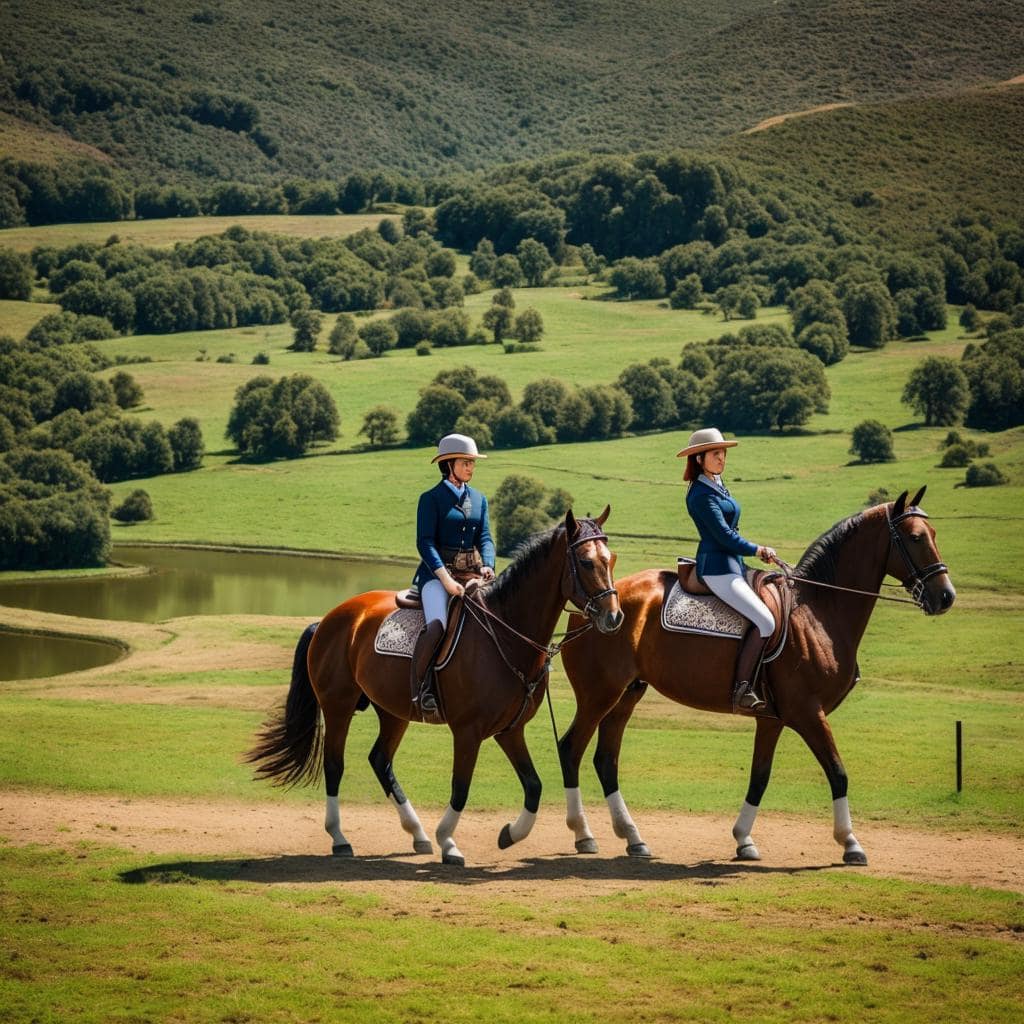
Before you even get in the saddle, preparation sets the tone for the entire ride. It starts with checking your gear and equipment. Ensuring everything is in good condition and fits properly can prevent discomfort for both you and your horse, avoiding problems mid-ride. For instance, a poorly fitted saddle might pinch or rub your horse, leading to irritation and unpredictability.
Assessing your horse’s mood and readiness is crucial. Horses, much like us, have their off days. A quick grooming session can help you gauge how they’re feeling. Are they calm and relaxed, or twitchy and restless? Any signs of discomfort or distress suggest they might not be up for a ride, or they might need a bit more soothing before heading out.
Safety isn’t just a checklist item; it’s your responsibility. Double-check your surroundings for any potential hazards. Make sure your helmet and other safety gear are in place. If riding in a new area, scout the terrain for unexpected surprises that might startle your horse. These simple steps protect both you and your horse from accidents, boosting confidence for what’s to come.
Build Trust and Confidence
Trust forms the backbone of any successful relationship, and this includes the bond between you and your horse. Establishing trust is not achieved overnight but through consistent and thoughtful interaction. Simple, daily efforts like grooming and ground exercises can considerably strengthen this trust.
Confidence, both yours and your horse’s, plays a huge role in riding. Your horse can often mirror your emotions, so approaching rides with calm assurance can set a positive tone. This doesn’t mean dismissing natural jitters but managing them effectively. Techniques like deep breathing and visualization before mounting can help you project that calmness and control.
Building a strong bond relies on consistent routines and clear communication. Spend time getting to know what makes your horse tick. Notice what comforts or excites them. Some horses respond well to verbal praise, while others prefer a gentle pat. Tailoring your interactions to your horse’s preferences can enhance trust.
Remember, your horse is constantly learning from your cues and energy. Reinforce positive behavior with rewards, whether it’s a treat or simply kind words. This reinforcement isn’t just about control; it affirms the relationship, making riding a shared joy rather than a one-sided task.
Understand and Interpret Horse Signals
Reading your horse’s signals is like understanding a new language, and it’s essential for safe and pleasant riding. Horses communicate through a mix of sounds and body language, offering clues to their emotions and comfort levels.
Common horse sounds, like neighing, snorting, or whinnying, each have unique meanings. Neighing might be your horse calling to other horses, while snorting can indicate irritation or excitement. Paying attention to these sounds provides early warnings about your horse’s mood.
Body language tells another part of the story. Ears pinned back can signal annoyance or discomfort, whereas pricked ears often mean curiosity or interest. Keep an eye on their tail too. A swishing tail can mean they’re impatient or annoyed. Noticing these signals lets you adjust your actions to keep things running smoothly.
Recognizing signs of discomfort or distress is crucial. If your horse seems uneasy, consider if something in the environment might be unsettling them. Perhaps it’s a sudden noise or an unfamiliar object ahead.
Responding appropriately to these signals helps build that ongoing trust we talked about earlier. If your horse starts showing signs of being spooked, it might be time to pause and reassure them, rather than push forward with the ride.
Techniques for Maintaining Control
Effective rein handling is crucial for maintaining control while riding. It’s about finesse, not force. Light, consistent contact with the reins helps communicate your intentions clearly to your horse without commanding them too harshly. Avoid pulling suddenly or with excessive force as this can cause discomfort and confusion.
Voice commands are another powerful tool. Horses can associate specific words with actions over time. By using clear and consistent commands, you reinforce the desired behavior. Simple cues like ‘walk,’ ‘trot,’ and ‘whoa’ can keep your horse aware of what you expect, acting as gentle reminders during your ride.
Consistent training is essential to maintain good control. Regular exercises at different paces and terrains build your horse’s responsiveness and fitness, ensuring they’re always prepared for a new ride. Practicing patterns or obstacle courses can make training sessions more engaging and productive.
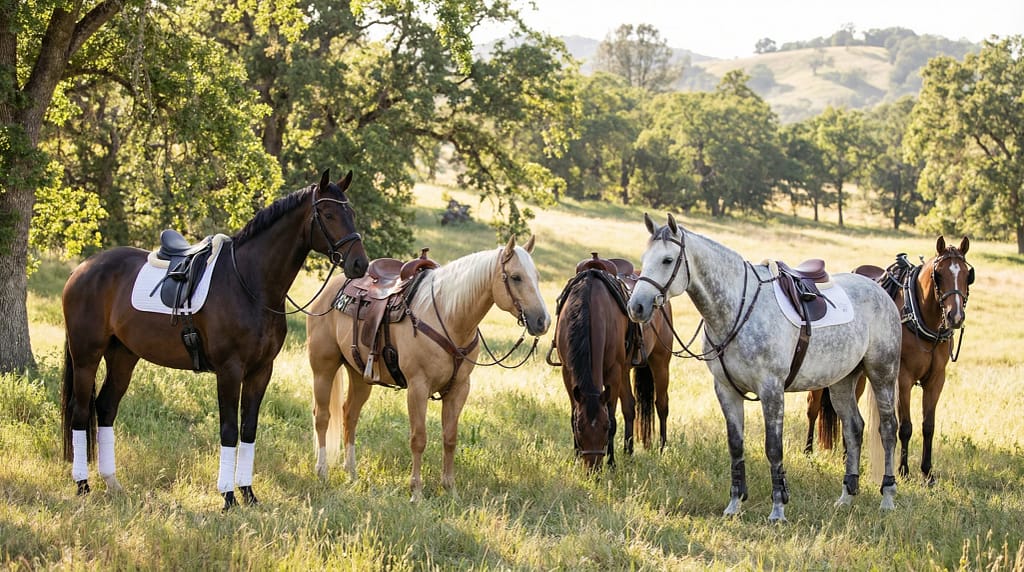
The right equipment plays a role in control too. Well-fitted tack prevents irritation and allows for precise communication. Check regularly for wear and adjustments needed to maintain the effectiveness of your signals.
In situations where your horse gets agitated or distracted, staying calm and patient is key. Tension travels down the reins. Take a deep breath, relax your body, and guide your horse back to focus. Remember, calm doesn’t mean passive—it’s about staying active in your approach, with a collected demeanor that reassures your horse.
Deal with Common Behavioral Issues
Managing equine behavioral issues can be challenging, yet understanding and addressing these concerns enhances your riding partnership. Skittish or nervous horses require patience and understanding. Gradually exposing them to new experiences is key. Begin with familiar settings and incrementally introduce unfamiliar objects or environments to reduce anxiety and build confidence.
Resistance or defiance often happens when a horse feels overwhelmed or misunderstands cues. Ensuring your aids are clear and consistent is crucial here. If your horse resists, pause and revisit prior training to ensure they comprehend the command. Slow, progressive training sessions can help overcome resistance, allowing your horse to relearn in a positive context.
Dealing with a spooked horse can be a daunting experience. Remaining calm and guiding your horse with steady, reassuring cues is vital. Talk softly, applying gentle pressure with your legs to encourage forward movement. Avoid pulling on the reins sharply, as this might heighten fear. Instead, offer gentle guidance to redirect focus back to the path.
Occasional behavioral hiccups are normal and can arise from discomfort, boredom, or nervousness. Observing patterns in your horse’s behavior can help identify and address root causes. Providing regular mental stimulation and incorporating variety into your rides keeps your horse engaged and responsive, reducing behavioral issues over time.
Every horse is unique, with its own set of challenges. Tailoring your approach to suit their individual needs and being persistent yet empathetic leads to gradual transformation. An understanding mindset, mixed with well-considered strategies, ensures both a harmonious partnership and rewarding rides.
A Holistic Approach to Training
Training a horse effectively involves both physical and mental exercises. Balanced training ensures your horse remains fit, alert, and responsive. Incorporate exercises that challenge their mind along with the body. Simple problem-solving tasks, like navigating obstacles, can keep your horse mentally stimulated and engaged.
Establishing a structured training schedule helps provide routine, which horses naturally respond well to. A consistent schedule builds trust and predictability. However, it’s important to remain adaptable. If your horse seems stressed or overworked, adjust their routine accordingly.
The power of positive reinforcement cannot be overstated. Rewarding desired behaviors with treats, gentle pats, or verbal praise encourages repetition of that behavior. This approach not only enhances learning but strengthens the bond between you and your horse.
Diverse training environments improve adaptability. Working with your horse in various settings—different terrains, inside versus outside arenas—helps familiarize them with new situations, reducing anxiety when faced with new experiences during rides.
Remember, a holistic training approach isn’t just about drills and routines. It’s about understanding your horse’s needs and tailoring their training to suit their personality and capabilities. By doing so, you nurture a versatile and happy partner ready for any riding challenge.
Manage Environmental Factors
Environmental factors play a significant role in how your horse behaves during rides. Being aware of these influences helps anticipate and mitigate any potential issues. External elements such as weather, terrain, and surrounding wildlife can all affect your horse’s disposition, either positively or negatively.
Weather conditions often impact your horse’s comfort and responses. On windy days, horses might be more on edge due to the amplified sounds and movement in the surrounding environment. In such cases, offering calm reassurances through a steady voice or gentle touch can keep both of you at ease.
Terrain changes also influence your horse’s behavior. A horse might react differently on rocky paths compared to soft, grassy fields. Introducing your horse gradually to unfamiliar terrains boosts their confidence and comfort, fostering adaptive behavior during rides.
Engagement with other horses and riders also plays into environmental changes. Riding in groups can energize some horses while overwhelming others. Understanding your horse’s social preferences allows you to manage interactions better, ensuring they’re comfortable in various social scenarios.
Adapting to these environmental factors with flexibility in your approach will empower your horse’s ability to cope with ever-changing settings. It fosters confidence and reinforces trust, making each ride smooth and enjoyable, no matter the conditions.
Foster Continued Growth and Exploration
Embracing horse riding as a continual learning journey enriches both you and your horse. Every ride offers lessons, opportunities to deepen your bond, and the chance to fine-tune your techniques. Embracing this dynamic adventure keeps the experience fresh and exciting.
Seeking out additional resources can enhance your skills further. Whether it’s joining a local equestrian group, attending workshops, or participating in clinics, each provides new insights and strategies to improve your riding prowess.
Books and online courses can also be invaluable, offering a wealth of knowledge from seasoned professionals. These resources often share cutting-edge techniques and theories that can help you overcome specific challenges you face on the trails.
Above all, remain patient and dedicated. Some days will be challenging, but with perseverance, each experience will contribute to your growth. Celebrate milestones, however small, and use them as stepping stones for future progress.
Continue nurturing your connection with your horse beyond just training and riding. Spend time in their company without agendas, enjoy their presence, and strengthen the mutual understanding that forms the heart of your partnership.
By fostering ongoing growth and exploration, you and your horse will enjoy not only more skillful rides but also a deeply rewarding and harmonious relationship.
Shop Tips
Helmets for horse riders on Amazon
Protective eyewear for horse riding on amazon
Reflective horse riding gear on Amazon
Build Your Online Business
and Learn Affiliate Marketing
See you there!
Our Unique Value Propositions
Discover why Chwals GPT is the top choice for equestrians looking
to build their online presence (register for free)
Tailored Equestrian Expertise – Community Connection – Intuitive User Experience