
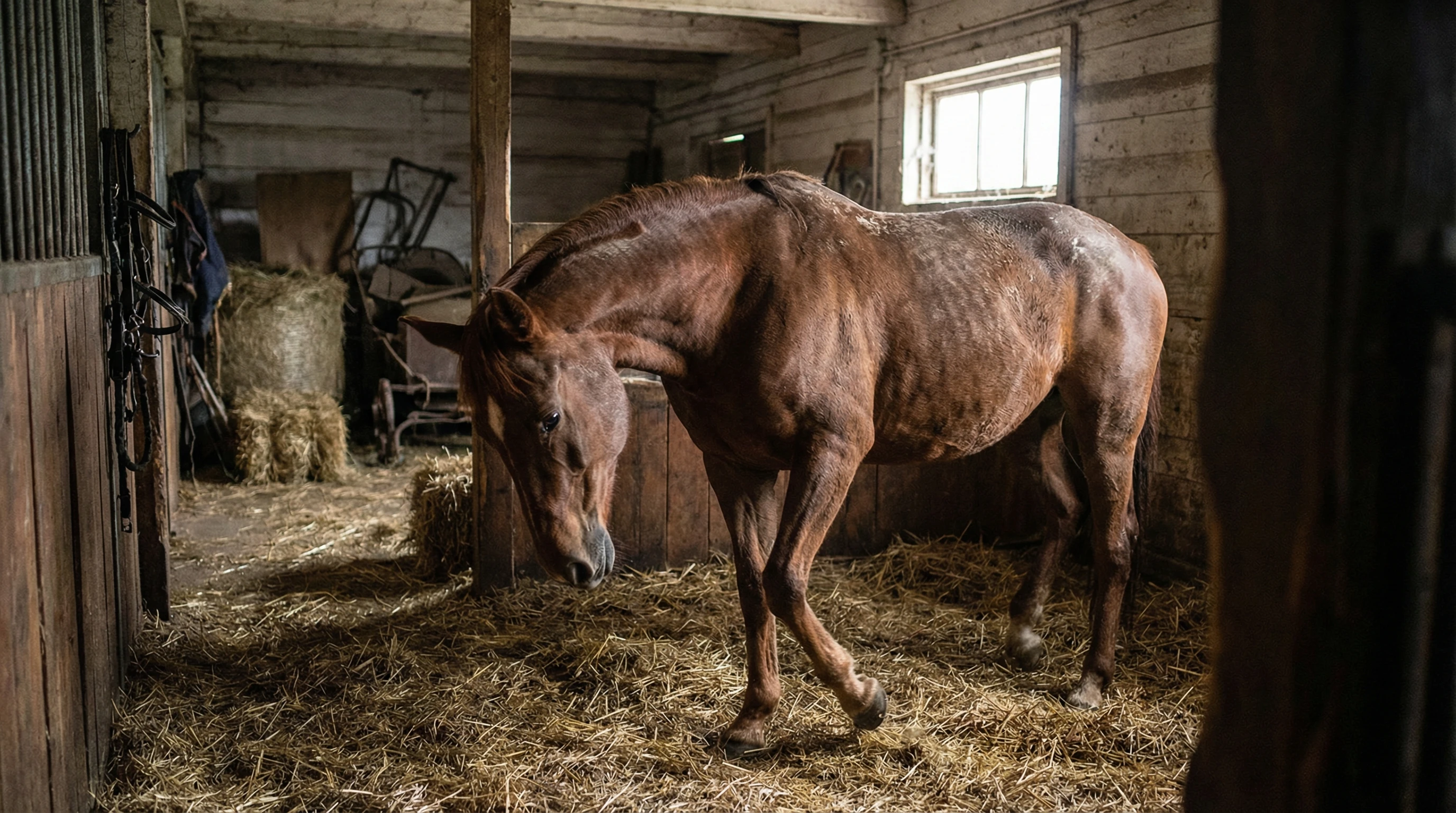
Top 5 Signs Your Horse Might Need A Vet Visit
If you have spent any time with horses, you probably know how quickly their health can change. Horses are good at hiding discomfort, so picking up on the subtle signs that something’s wrong is really important. When I first started caring for my own horse, I learned that early action can make a big difference in recovery and wellbeing. In this guide, I’ll share the top five signs your horse might need a vet visit, along with practical advice to help you feel more confident about horse health.
Recognize Early Signs in Horse Health
Caring for horses goes beyond feeding and daily exercise. Staying alert to early warning signals can prevent small health issues from turning into big problems. Horses, as prey animals, tend to hide pain or sickness until they absolutely must show it. Relying on regular checks and being observant helps you notice even the quiet signs. This approach saves stress for both you and your horse in the long run. One research article from the American Association of Equine Practitioners highlights that horses who receive prompt veterinary care for initial symptoms tend to have much better recoveries. (AAEP Horse Health)
New horse owners often ask me about the kind of changes they should watch for. Sometimes, it’s not about obvious limping or wounds. Subtle differences in energy, social behavior, appetite, or routine can be just as meaningful. Taking notes after each health check helps you spot patterns over time, making it easier to act early when needed.
Top Five Signs Your Horse Might Need a Vet Visit
Some warning signs are easy to spot. Others are so minor that you could miss them unless you’re paying close attention. Here are five of the most common signals I have seen telling you a horse needs prompt veterinary care:
- Unexplained changes in eating or drinking: If your horse suddenly stops eating or drinking, or seems unusually picky, this often signals something more than fussiness. Changes in water intake especially can point to colic, dental trouble, or even kidney issues.
- Sudden lameness or unwillingness to move: A horse that was fine yesterday but is now limping or slow to get up might be dealing with pain, hoof abscesses, or injury. Avoid riding a lame horse until you get an expert opinion.
- Abnormal droppings or urination: Loose manure, constipation, discolored urine, or straining often signal gastrointestinal upset, colic risk, or dehydration. Keeping an eye on your horse’s manure every day is one of the most practical steps you can take.
- Coughing, nasal discharge, or breathing changes: Difficulty breathing, noisy breathing, coughing, or discharge from the nose can signal respiratory infection or allergies.
- Behavioral changes: A normally friendly horse that becomes grumpy or withdrawn may be in pain or distress. Changes in posture (for example, repeated lying down or rolling) also need your attention right away.
Each of these signs can point to several different health issues, from mild to serious. Early detection gives your vet more options for effective treatment and helps you avoid extended downtime for your horse. I have seen horses bounce back impressively simply because their owner noticed the smallest change in their routine and called for advice.
Understand Common Horse Health Problems
Many horses experience health problems that crop up suddenly. Colic, laminitis, and respiratory illness are a few examples. Having a general idea of these issues helps you spot warning signs faster.
- Colic: This term includes several kinds of abdominal pain. Symptoms can vary from pawing the ground, looking at the flank, or rolling to a simple reduction in appetite. Prompt vet care is really important with colic.
- Laminitis: Laminitis involves inflammation of the sensitive tissues in the hoof. Horses may stand with their feet out in front of them, switch their weight often, or seem “off” when walking. Early treatment can help avoid permanent problems.
- Respiratory infection: Horses are sensitive to dust, sudden weather changes, and viruses. A runny nose, cough, or shallow breathing can be the first signs.
I remember a time when one of my horses started drinking noticeably more water than usual but otherwise seemed fine. At first, I thought it was the heat, but a quick call to my vet revealed that subtle changes in drinking are worth checking out. It turned out he was developing an infection, but because I caught it early, treatment was simple and effective.
Basic Horse Health Checks You Can Do at Home
Lowlevel daily checks become second nature with practice, and they go a long way in spotting trouble. Here is what I include in my routine:
- Check the eyes and nostrils. Clear, bright eyes and clean nostrils usually indicate good health.
- Listen to breathing. Any rasping, heavy, or noisy breathing is worth a closer look.
- Feel legs for heat or swelling. Gently running your hands down each leg every day lets you spot heat, swelling, or lumps early.
- Check manure and urine. Consistency, frequency, and color all offer clues to internal health.
- Monitor appetite. A horse who skips meals needs attention, even if it is just for one feeding.
Performing these simple checks while grooming is a habit I have found keeps me connected with my horse. By knowing what is normal, you will notice when even a tiny detail switches up.
Manage Common Challenges in Horse Health Care
Sometimes the warning signs are not obvious. Common challenges I have seen with horses include behaviors linked to stress, subtle dietrelated issues, and hard to spot lameness. Here are some tips to work around those challenges:
- Subtle lameness: Watch for unevenness in stride, reluctance to move, or changes in how your horse carries its head. A short walk on a straight line can reveal changes.
- Dental discomfort: Horses with sharp teeth might drop feed or chew slowly. Yearly dental checks help catch these problems.
- Changes in herd behavior: A horse who suddenly isolates itself from others is often not feeling well.
- Overlapping symptoms: One sign can mean more than one problem (for example, loose manure can be stress, diet, or illness). When in doubt, I call a vet to be safe.
As experience grows, you will develop a knack for spotting unique signals in your own horse. Keeping a health journal or taking quick photos can help track changes over time. Even small details matter, and writing them down can reveal patterns that you would not otherwise catch. I have found that the smallest observation sometimes leads to early detection of a potentially serious issue. Talking with other experienced horse owners in your area can also give you new insights into what to look for and share solutions to common worries.
Advanced Tips for Keeping Your Horse Healthy
Veterinarians recommend some proactive measures to make health maintenance smoother and emergencies less stressful. Over the years, these have helped me avoid unnecessary panic and improved outcomes for my herd:
Build a good relationship with your vet: Even outside of emergencies, a vet who knows your horse can offer personalized advice quickly over the phone. Good communication means faster help when you really need it.
Keep vaccination and deworming schedules up to date: This lowers the risk of some of the most serious and contagious health problems.
Practice good stable management: Clean water, safe fencing, and regular turnout lower stress and help prevent illness.
Know what is normal for your horse: Every horse is unique, and what is normal varies a little. By tracking regular habits and health details, you will spot any switch up more easily. This awareness becomes especially valuable if multiple people care for your horse, since shared knowledge allows everyone to act quickly if they see something unusual.
Prepare for emergencies: Keep a basic first aid kit on hand and know how to use it. Post your vet’s contact number somewhere visible in the barn.
Investing a bit more time every day helps catch little problems early. In my experience, this has saved me on vet bills and kept my horses feeling their best. Additionally, consider scheduling regular wellness visits with your vet, even if your horse appears healthy. Preventive care can catch quiet health concerns before they blossom into larger problems.
Frequently Asked Questions about Horse Health
As a horse owner, you probably find yourself wondering what different symptoms mean. Here are some questions I get most often, along with clear answers. These should help you feel better equipped next time you notice something unusual in your horse’s behavior or health.
Question: How soon should I call a vet if I notice one of the warning signs?
Answer: If your horse shows any of the signs listed above, call your vet for advice as soon as possible. For severe signs like trouble breathing, severe pain, or inability to stand, get help immediately.
Question: Are small changes in eating always a sign of sickness?
Answer: Not always, but refusing more than one meal or dropping feed can be early clues to a health problem. Monitoring your horse’s overall behavior and appetite regularly makes it easier to decide when action is necessary.
Question: What should I include in a horse first aid kit?
Answer: I keep wound cleaner, nonstick bandages, vet wrap, a thermometer, and my vet’s number handy. There are helpful guides online with more detailed lists, such as Horse & Hound First Aid Kit Guide for a good starting point.
Question: What are some subtle signs of pain in horses?
Answer: Subtle signs can include restlessness, shifting weight frequently, a tense facial expression, changes in posture, tail swishing, or frequent lying down and getting up. If you spot these kinds of changes, even if they seem minor, check in with your vet.
Staying Attentive Means Happier, Healthier Horses
Knowing the top signs that your horse might need a vet helps set you up for better horse care. Early detection of changes, regular health checks, and good communication with your vet create a strong foundation. Over time, these habits help ensure your horse stays strong, happy, and healthy. You will enjoy more peaceful days in the barn, knowing you are prepared to give your horse the attention it deserves. Remember that spending time observing and getting to know your horse not only builds your bond, but it also strengthens your horse’s chances of staying well through prompt, thoughtful action.
Happy riding! 🐎
Understanding horses on Amazon
Build Your Online Business
and Learn Affiliate Marketing
See you there!
Our Unique Value Propositions
Discover why Chwals GPT is the top choice for equestrians looking
to build their online presence (register for free)
Tailored Equestrian Expertise – Community Connection – Intuitive User Experience


