
Equine nutrition plays a big role in how healthy and energetic a horse feels every day. Just like us, horses need different nutrients, right amounts of feed, and a consistent routine if they want to look and perform their best. Over the years, I’ve found that being thoughtful with what and how I feed my horses really helps to avoid a lot of common health troubles. I’ll share what’s worked for me and the basics that are easy for anyone to follow, whether you’re caring for a backyard companion or supporting a show horse.
Understand the Core Nutrients Horses Need
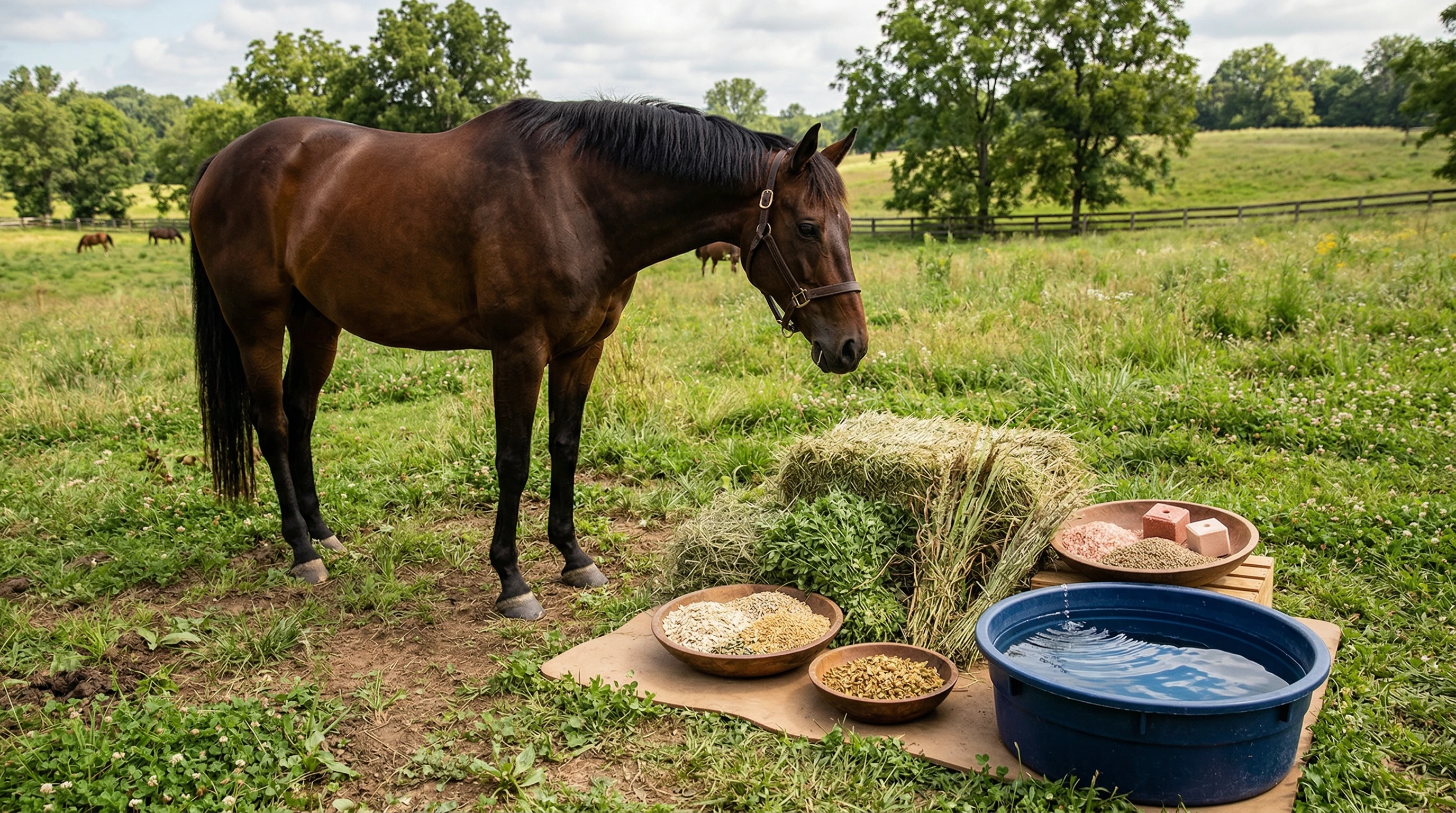
Horses rely on six main nutrient groups to thrive: water, carbohydrates, fats, protein, vitamins, and minerals. I didn’t always appreciate how important water is until I saw how quickly dehydration could take a toll even in cooler months. Always making sure my horses have access to clean, fresh water is now a non-negotiable part of my barn routine.
Carbohydrates provide most of the energy horses use. Hay and grasses are natural sources, packed with fiber that keeps digestion moving smoothly. Protein is key for muscle repair and overall growth, but too much can lead to problems like kidney stress. Fats supply extra energy and help give a horse’s coat that healthy shine. Vitamins and minerals, while needed in smaller amounts, help everything from nerve function to bone strength.
When I took the time to learn how each nutrient works, it became much clearer why a balanced diet is really important for every horse, no matter their age or job. What you feed can be just as important as how it is fed, and water remains the foundation of everything. Horses require a surprisingly large amount of fresh water each day, more if the weather is hot, if they are working hard, or eating dry feeds.
Build a Balanced Equine Diet
Putting together a horse’s meal plan can feel like a lot to juggle, but breaking it down makes it manageable. I keep it simple and focus on these main parts:
- Forage First: Hay or pasture grass should make up most of the daily diet. Horses are “trickle feeders” by nature, so access to forage helps their digestive system work as it should.
- Grains for Extra Energy: I only add grains or pelleted feeds when my horses need extra calories, like during intense training or winter months. Overfeeding grain can cause more harm than good. When grains are used, it’s best to split them into smaller meals throughout the day.
- Supplements When Needed: Not every horse needs supplements, but I usually add things like salt licks or mineral mixes if the forage in my area is low in certain nutrients. Adequate salt is vital, especially when horses sweat a lot. Sometimes, a vitamin E or selenium supplement is appropriate if local soils are low in these minerals.
I stick to the rule of feeding small, frequent meals and keeping the routine consistent. Horses have sensitive digestive tracts, so sudden changes in type or amount of food can lead to colic or founder, both of which are serious health conditions. I also make sure feed and hay are stored in a dry, clean place to avoid mold or spoilage. Feeding off the ground can also help reduce the risk of ingestion of sand or dirt, which can upset digestion.
Key Principles Every Horse Owner Should Know
There are a few practical guidelines I always keep in mind, whether feeding at home or managing horses at clinics and boarding barns:
- Feed by Weight, Not Just Volume: I use a kitchen scale or horse feed scoop to measure hay and feed. Because flakes and scoops can vary in density, measuring by weight is the best way to make sure horses get the same amount every day. It’s easy to underestimate or overfeed otherwise.
- Refresh Water Regularly: Dirty or frozen water buckets are a big problem, especially in winter. Topping up and checking water several times a day helps prevent dehydration or impaction colic. Insulated or heated buckets are a game changer during cold spells.
- Make Feed Changes Gradual: When switching hay, grain, or any part of the diet, I always mix a small amount of the new feed in with the old over a week or two, slowly increasing the new feed until the switch is complete. This avoids shocking their digestive system and limits stress.
- Include Salt: A plain salt block or loose salt offered free choice helps my horses regulate their water intake and appetite. In some cases, flavored electrolyte mixes are helpful during very hot weather or long rides.
With these habits in place, I rarely run into feeding-related issues and see fewer digestive upsets all year.
Feeding Tips for Different Types of Horses
Horses aren’t all the same. What works for my easygoing pasture buddy isn’t enough for a young athlete in training. Here’s how I adjust diets based on a few common groups:
- Foals and Growing Horses: Growing horses need more protein, calcium, and energy to support development. I rely on well-tested commercial feeds formulated for young horses to make sure they get balanced nutrition, and I let them graze with their mothers as soon as they can safely do it. Monitoring their rate of growth is important, since too-rapid growth can lead to problems with joints and bones.
- Performance Horses: Horses working hard need higher calorie intakes and might need a mix of grains, beet pulp, or additional fat sources for extra fuel. I also include electrolytes in their feed or water, especially when they sweat a lot. Careful feeding supports quicker recovery after workouts or competitions, aiding performance and attitude.
- Senior Horses: Older horses sometimes have trouble chewing or digesting longstem hay. I switch to softer hays, soaked pelleted feeds, or senior-specific mixes. Attention to dental care makes a big difference. Senior feeds are designed to be easier to chew and digest so your golden oldies get what they need without struggle.
- Easy Keepers: Some horses gain weight easily and are prone to laminitis. For these horses, I choose lowercalorie grass hay, limit access to lush pasture in spring, and offer slow feeder nets to help them eat more slowly. Hand grazing, limiting turnout, and sticking to safe, fiberrich feeds keeps these horses healthy.
The main idea is to feed for the horse’s activity level, health needs, and stage of life, adjusting as needed after routine body condition checks. Frequent weight and muscle checks combined with watching manure quality are simple ways to stay ahead of problems.
Common Challenges and How I Handle Them
Even following the best advice, I’ve run into a few feeding problems over the years. Here’s how I’ve managed some of the most frequent ones:
Colic Risks
Colic, or belly pain, can quickly turn into a serious situation. Most of the episodes I’ve seen link back to sudden feed changes, moldy hay, or not enough water. Soaking hay, offering forage consistently, and not letting horses gorge on new spring grass all help keep risk low. Good parasite control and plenty of turnout cut down on gut issues even more.
Obesity and Laminitis
Horses that are overweight or have a history of laminitis need fewer calories and less sugar. I rely on grass hay that’s tested for low sugar content, avoid highsugar feeds, and use slow feeders to prevent binge eating. Regular exercise is also part of my routine for these horses. Weight tape measurements, paired with controlled feeding, show great results over time.
Picky Eaters
Some horses turn their nose up at plain hay or new feeds. In these cases, I try to find a fresh supplier, dampen feed to release aroma, or mix in a small amount of chopped carrots or apples to spark interest. Sometimes, dental checks reveal tooth discomfort that can stop a horse from eating well. If a horse is a consistent picky eater, I also review their living conditions for stressors.
Tying Up (Exertional Rhabdomyolysis)
Horses that deal with muscle soreness or “tying up” benefit from lowerstarch diets and regular turnout. I avoid sweet feeds and instead provide highfat energy supplements if extra calories are needed. Gradually building up exercise and making sure they have a predictable routine lessens the risk.
Every horse is different, so I tweak things and monitor changes closely, especially after vet visits or during big weather changes. If in doubt, reaching out to professionals is always the smart move for peace of mind and better results.
Advanced Nutrition Tips for Health and Performance
Once I had the basics down, I started to notice small adjustments made real improvements in my horses’ condition and performance. Here are a few habits I picked up over the years:
Test Your Forage: I send samples of my hay and pasture to a local lab to check for protein, fiber, and sugar levels. These results help me decide what type of supplements to add, if any. Accurate information lets me skip unnecessary extras and spend money on what counts.
Look for Signs of Deficiency: Sometimes a dull coat, crumbly hooves, or low energy signals a missing nutrient. For example, supplementing with biotin and copper can help with hoof strength if a basic diet falls short. Watching for sudden changes in appetite or mood clues me in if something is off.
Feed for Gut Health: Probiotics and prebiotics in commercial feeds can help horses maintain a stable gut bacteria population, especially useful during stressful periods like travel or competition. A healthy gut supports overall wellness and reduces the risk of digestive upset. Consistent turnout and slow feeding styles also mimic the horse’s natural way of eating, further supporting gut health.
I also keep in regular touch with my vet and occasionally consult nutritionists, especially for highperformance horses or those with ongoing health issues. Getting an outside perspective helped spot gaps I didn’t realize were there. Don’t be afraid to ask for help; the world of equine nutrition is always growing and changing.
Frequently Asked Questions about Equine Nutrition
I get asked a lot of questions from fellow horse owners new to feeding plans. Here are a few of the most common ones, along with answers based on my experience and current recommendations:
Question: How do I know if my horse is getting the right diet?
Answer: Regularly check your horse’s body condition by feeling their ribs and looking for visible hip or spine outlines. A healthy horse will have a layer of fat over the ribs but still feel firm to the touch. If you’re unsure, your local vet can provide a hands-on body condition score.
Question: Should I feed supplements?
Answer: Not every horse needs supplements. After forage and basic feed are sorted, I add supplements only if deficiencies have been confirmed through lab tests or vet recommendations.
Question: Can a horse get too much of a vitamin or mineral?
Answer: Yes, and it’s easier than you might think if using several types of supplements at once. That’s why I read labels carefully and stick to one targeted supplement at a time unless directed otherwise by a professional. More is not always better when it comes to vitamins and minerals.
Final Thoughts on Equine Nutrition
Consistent, balanced feeding routines support not just a horse’s physical wellbeing, but their happiness and energy too. By focusing on quality forage, paying attention to water intake, and making gradual, thoughtful changes, I’ve seen firsthand how much of a difference good nutrition makes.
I encourage anyone who is responsible for a horse, whether one or many, to keep learning, check in with experienced professionals, and always pay attention to their horse’s physical changes and habits. It goes a long way toward a healthy, happy partner, every day. For more information, local extension offices and equine nutritionists are great resources to dig into for tailored guidance. Ultimately, steady routines and an open mind will help you track down what works best for your own horses.
Understanding horses on Amazon
Build Your Online Business
and Learn Affiliate Marketing
See you there!
Our Unique Value Propositions
Discover why Chwals GPT is the top choice for equestrians looking
to build their online presence (register for free)
Tailored Equestrian Expertise – Community Connection – Intuitive User Experience


