
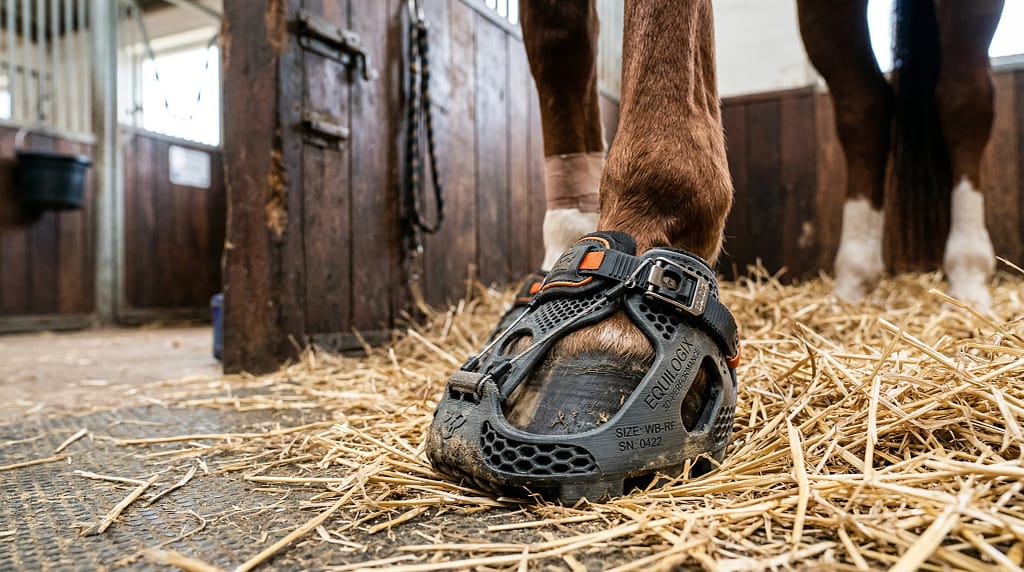
3D Printed Custom Hoof Boots For Laminitis Treatment In Horses
3D printed custom hoof boots have started to change the way I approach laminitis treatment for horses. Laminitis is a painful and serious hoof condition that can make even simple movements tough for a horse. I remember seeing horses struggle to walk. It was clear that finding relief was really important. The idea of having a hoof boot designed just for a horse’s unique hoof shape, using advanced 3D printing technology, offers targeted comfort and support where it’s needed most. In this article, I’ll explain why 3D printed hoof boots are becoming popular for laminitis, how they work, what to look for if you’re considering them, and how they compare to traditional options.
What Are 3D Printed Custom Hoof Boots?
3D printed custom hoof boots are specially designed boots made from digital scans of a horse’s hoof. The process involves capturing a detailed 3D image of the hoof, then printing a boot that fits exactly to that hoof’s shape. This fit is really important for horses with laminitis, since the condition causes unpredictable changes in hoof shape and pain points that off-the-shelf boots might not address. Unlike standard boots, these are made with materials and padding tailored to a horse’s weight, movement, and therapeutic needs.
3D printing, also called additive manufacturing, builds the boot layer by layer using durable materials like thermoplastic polyurethane. This method results in a lightweight, strong boot that delivers even pressure around the hoof and protects sensitive areas. A precise fit can help prevent rubbing or further injury, which I find can make a big difference when dealing with painful laminitic hooves.
Why Laminitis Calls for Custom Hoof Support
Laminitis affects the laminae inside the hoof, which anchor the hoof wall to the coffin bone. When inflammation sets in, these tissues weaken, causing a lot of pain and instability. Horses may switch their weight or walk abnormally to avoid sore spots. Ill-fitting boots can add pressure in the wrong places or cause rubbing. That’s why custom boots that match the changing shape of a laminitic hoof can offer more consistent comfort and protection.
Traditional hoof boots have their place, but they’re designed for generally healthy hooves. Laminitis often creates uneven hoof angles, sensitive areas, and changing pressure points. A personalized fit becomes super important, and custom hoof boots can adapt to these unique challenges. Horses can experience less pain, better support, and improved healing opportunities when fitted with custom boots developed from an accurate hoof scan. These customized boots are especially helpful when off-the-shelf options can’t keep up with sudden changes in hoof structure. The additional attention to a horse’s individual needs goes a long way in supporting healing, helping horses regain their comfort and confidence step by step.
How the 3D Printing Process Works for Hoof Boots
The first step in getting a 3D printed hoof boot is scanning the horse’s hoof. A digital scanner or smartphone app collects accurate measurements and creates a detailed 3D model. This model includes all the grooves, flares, and angles that make the hoof unique from any other hoof. The scanner captures every subtle contour and asymmetry so nothing is missed.
Designs are then adjusted to address the horse’s laminitis issues, like making room for rotated coffin bones or sunken soles. Experts might add softer sections for relief or reinforce parts where the hoof needs more stability. Once the design is finalized, the boot is printed with strong, flexible materials. Some manufacturers use antibacterial coatings that stay cleaner and protect sensitive tissue. The boot is shipped out for fitting and any fine-tuning, which I think makes the whole system easier for both the horse and the caregiver, since modifications can be made quickly and adjustments don’t leave the horse waiting.
It’s also worth mentioning that the highly detailed design allows added features such as breakover support, better traction, and even specific cushioning based on a horse’s activity level. These personalized touches go beyond what pre-made boots can provide and can really make daily movement less stressful for sore horses.
Steps to Fit and Use Custom 3D Printed Hoof Boots
Putting 3D printed boots to use is fairly straightforward, but it helps to have a basic plan so the horse gets the most benefit:
- Get a Professional Hoof Scan: Work with your vet or equine podiatrist to capture a precise scan of the hoof. Accuracy at this stage makes a big difference in fit and comfort.
- Consult on Design Features: Ensure that pain points, pressure relief zones, and any therapeutic padding are included. The input from equine health professionals is really valuable for tricky laminitis cases.
- Order the Boot: Choose a reputable company experienced in 3D printing hoof boots. Discuss turnaround times and return policies if adjustments are needed, as sometimes tweaks are necessary.
- Test the Fit: Try the boot on once it arrives and check for any areas of rubbing, pressure, or discomfort. Small modifications can usually be made to the design or in the boot itself. A good fit is noticeable right away by how the horse moves and stands.
- Monitor and Adjust: Keep an eye on the horse’s movement and hoof health. Laminitis often changes quickly, so regular checks ensure the boot remains supportive and safe. Make sure to look for any new problem spots or changes in comfort.
Following these steps can give the horse the best shot at comfort and healing. Even horses with long-term laminitis have seen noticeable improvements by staying on top of these simple steps.
Points to Weigh Before Investing in 3D Printed Hoof Boots
Just like with any type of equine equipment, not every solution fits every horse or budget. These are the main factors I think you should keep in mind:
- Cost: Custom hoof boots have a higher price than mass-produced boots, reflecting the individualized design and materials. Considering the potential benefits for pain reduction and healing, many owners find the investment justified, but it’s smart to check options before deciding. Sometimes local grants or rehab programs can help with expenses too.
- Timeframe: The design, printing, and shipping process can take several days to a few weeks, which might be slower than buying a standard boot from a tack shop. Planning ahead, especially if your horse is at risk for laminitis, is a big help.
- Fit Adjustments: Even with a precise scan, horses with laminitis may need periodic refitting, as swelling or hoof shape can change due to health status or treatment response. Don’t hesitate to schedule follow-ups with your vet to keep the fit just right.
- Material Choices: Some materials work better in wet or dirty conditions, while others are lightweight but wear faster. Discuss choices with the manufacturer in case your horse spends a lot of time outside or in mud. Some boots even offer swappable liners or extra traction for specific environments.
- Veterinary Supervision: Close coordination with your vet or farrier is really important, since hoof support needs can change rapidly during laminitis treatment. Frequent check-ins give peace of mind and help catch problems before they get serious.
By considering these points and asking lots of questions, you can make a more informed decision about whether 3D printed custom boots make sense for your horse. Weighing your horse’s comfort and ongoing needs against the investment ensures you make a solid choice that pays off in your horse’s long-term recovery.
Troubleshooting and Practical Tips for Success
Owners and caregivers can run into some common challenges with hoof boots for laminitis. Here’s how I deal with the main ones:
Sizing Issues
Horses with acute laminitis often have swelling that decreases as treatment progresses. I try to scan the hoof when it’s in its current state, but also work with manufacturers who offer quick modifications if the shape changes. Using padding or shims inside the boot can help get a snug fit between refits. Don’t be afraid to keep extra pads or shims on hand for quick adjustments.
Wear and Tear
Laminitic horses may not move a lot at first, but as their condition improves, checking boots for wear is important. I check for cracks or lost tread, since uneven wear could put extra stress on the sore foot. Having a backup pair and keeping them clean helps avoid problems. Rotating boots and cleaning often keeps things fresh and lengthens boot lifespan.
Managing Moisture
Wet conditions can encourage bacteria or fungi inside the boot, especially if the horse needs to wear boots around the clock. I pick boots with moisture-wicking liners and make sure to remove them daily for cleaning and hoof inspection. Keeping hooves dry and bedding fresh is another simple tip for healthy hooves while wearing boots.
Real-World Uses and Success Stories
I’ve seen firsthand how custom 3D printed hoof boots help horses with severe laminitis walk more comfortably and heal faster. One horse I helped care for had a rotated coffin bone and couldn’t fit into any regular boots. A 3D printed version gave her steady support without pinching or rubbing. The improved fit allowed her to bear weight evenly, and she was able to go on short, daily walks during rehab. Feedback from owners and veterinarians often highlights how these boots cut down on pressure sores, allow individualized adjustments, and reduce stress on both the horse and the caregiver.
- Acute Laminitis: Custom boots often provide the only option when standard sizes don’t fit due to swelling or changes in hoof structure. Horses that previously had no solution now have a way to manage pain in those first critical weeks.
- Long-Term Management: Horses that need hoof protection over weeks or months benefit from ongoing adjustments and updates to the boot as they recover. Owners can track improvements and tweak support as needed, making the healing adventure a bit smoother.
- Rehabilitation: 3D printed boots can be tuned for turnout, exercise, or stall rest, giving owners more flexibility as the horse’s needs change. This flexibility can even encourage more movement and quicker recoveries, since horses are more willing to move in boots made just for their hooves.
Many horse owners describe remarkable improvements in their horses’ daily comfort and movement. The ability to track progress and make small changes in boot support as the hoof heals gives both horses and caretakers more confidence. Veterinary teams often mention fewer complications and a smoother overall healing process, thanks to the personalized touch these boots provide.
Frequently Asked Questions About 3D Printed Hoof Boots
Question: Are 3D printed hoof boots covered by equine insurance?
Answer: Insurance coverage for custom boots varies. It’s worth checking with your policy provider, especially if your vet prescribes the boots as part of medical treatment.
Question: Can 3D printed boots be used alongside other laminitis treatments?
Answer: Yes, these boots are often combined with pads, medications, and dietary management. Always consult your vet to coordinate support.
Question: How long do 3D printed hoof boots last?
Answer: Durability depends on the material and how often your horse wears the boot. A high-quality boot can last several months with regular use, but routine inspections and cleaning are needed.
Looking at the Future of Laminitis Care with 3D Printing
3D printed custom hoof boots are giving horse owners more options and hope for managing one of the toughest hoof conditions. A made to measure fit, modern materials, and the ability to quickly adapt to an injured hoof make a real difference in pain relief and healing outcomes. The combination of expert digital design and hands on veterinary guidance helps horses stay comfortable, recover faster, and regain movement. While it requires careful planning and an upfront investment, I’ve found the personalized care these boots allow can lead to better long-term recovery for horses living with laminitis.
Horses benefit from hoof care tailored specifically to their situation. With the growing availability of 3D printed hoof boots, more owners have access to solutions that truly fit and protect their horses throughout every phase of laminitis recovery. Staying on top of changing hoof needs and working closely with your vet keeps your horse moving comfortably, no matter what laminitis throws your way.
Shop tips
Understanding horses on Amazon
Happy riding! 🐎
Build Your Online Business
and Learn Affiliate Marketing
See you there!
Our Unique Value Propositions
Discover why Chwals GPT is the top choice for equestrians looking
to build their online presence (register for free)
Tailored Equestrian Expertise – Community Connection – Intuitive User Experience


