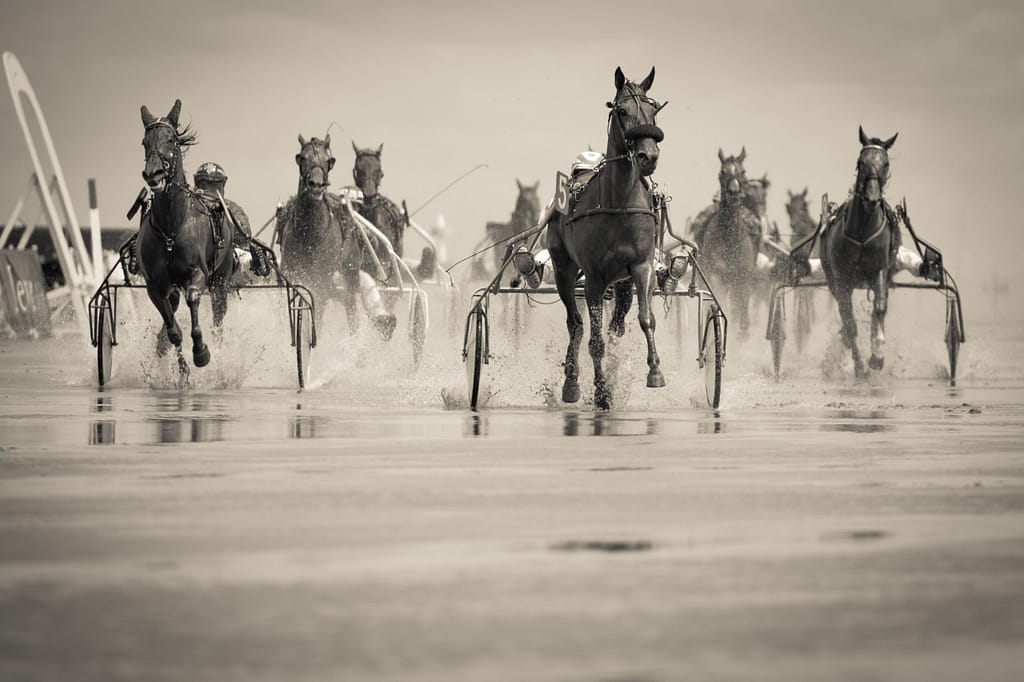
Insurance For Horse Owners And Businesses
Owning and working with horses brings a lot of joy, but there’s also plenty of responsibility, especially when it comes to protecting your investment and managing risks. Both private horse owners and businesses like stables, riding schools, or trainers face unique challenges that regular property or liability insurance doesn’t always cover. Through my own experience helping friends in the equestrian world, I’ve seen how the right insurance can make a big difference in tough situations. I’ll walk you through the types of insurance worth considering for horse owners and businesses, explain how policies work, and share some tips so you can feel more confident about your choices.
Understanding Insurance Needs for Horse Owners and Businesses
Horse ownership, whether for personal enjoyment or as part of a business, exposes you to risks different from most other hobbies or professional activities. Injuries, illness, theft, and property damage are common worries. On top of that, horses have high values, sometimes more than the average car, and their care requires specialized knowledge.
If you run an equine business like a boarding stable, training facility, or riding lesson program, the risks multiply. Clients’ horses might be injured, visitors might get hurt, or your property could be damaged. Regular home or business insurance typically excludes these scenarios. That’s why a dedicated equine insurance policy steps in and covers horse-specific risks you might otherwise miss.
Recognizing your risks is the first step toward making sensible insurance decisions. You’ll want coverage for veterinary emergencies, property loss, and third-party liability, among other things. Insurers in this field tailor plans to specific activities, whether you’re a backyard horse owner, a competitive rider, or operate a largescale horse business.
Key Types of Horse Related Insurance Coverage
When I helped a friend choose insurance after buying her first horse, we realized how many types of coverage are available. Here’s a breakdown of the most common policies, with explanations anyone new to the equestrian world can understand:
- Mortality Insurance: This works similarly to life insurance for people. If your horse dies due to illness, accident, or sometimes theft, the policy pays out the insured value. This kind of coverage often requires a vet exam before the policy takes effect.
- Major Medical Insurance: Veterinary care gets expensive, fast. Major medical insurance helps cover costs from illnesses, surgeries, and advanced treatments. It’s often paired with mortality coverage for a more complete safety net.
- Loss of Use Insurance: If your horse can no longer perform its primary function (such as competition or breeding) due to injury or illness, this policy helps recover some of your horse’s value. Not every company offers this, and a thorough vet evaluation is typically necessary.
- Liability Insurance: If your horse causes property damage or injury to others, which is a real risk when visitors come to your stables or even if your horse escapes, you could face legal claims. Liability insurance steps in to help with legal fees and damages.
- Care, Custody, and Control (CCC): This is super important for equine businesses. If a horse in your care (but owned by someone else) gets injured or dies, CCC insurance helps cover the costs. Boarding facilities and trainers rely heavily on this coverage.
- Property Insurance: Buildings, barns, tack, and trailers may be covered by standard home or business insurance, but not always. Specific equine property coverage fills in the gaps so you’re protected during fire, storms, theft, or vandalism.
- Workers’ Compensation: If you employ staff at your stable or equestrian business, workers’ comp covers injuries or illnesses that happen on the job. Laws about this vary, but it’s always worth researching your responsibilities.
Some lesser known but helpful insurance riders can include coverage for loss arising from show cancellations, horse transport, or even broader umbrella liability for unique situations in competitive equestrian sports and breeding. Looking into these options can give you extra protection and peace of mind, especially for specialized activities.
How Equestrian Policies Work and What Influences Costs
In my experience, it’s always wise to look closely at policy terms. Insurers consider several factors when setting your premiums and limits. The horse’s value, age, breed, and intended use all matter. For example, insuring a competitive jumper carries different risks than a retired pasture pet, so premiums reflect those differences.
Businesses face extra variables. The size of your property, types and numbers of horses, number of staff, lesson activities, and whether you host events all factor in. Underwriters might also require safety assessments, barn inspections, or proof of staff training in first aid and horse handling. Policy exclusions, or what’s not covered, vary, so always ask questions about situations relevant to your operation.
Careful research helps buyers make informed decisions. Comparing quotes from different specialized providers is a good move. Don’t shy away from asking for clarifications or custom coverage fitting your business or private horsekeeping setup.
Payment options, coverage renewals, and deductibles can also affect costs. Many horse owners choose higher deductibles for lower premiums, especially if their animals are healthy or low risk. It’s also smart to look into reputable insurers by checking reviews from other horse people. Look for companies known for clear communication, helpful claims service, and expertise in the equine world.
Step by Step Guide: Get Started with Horse Insurance
If you’re new to all of this, the whole process can feel a little daunting. Here’s a basic approach I recommend to horse owners and equine business operators alike:
- Assess Your Risks: Write out what could go wrong with your horse, property, or business—natural disasters, animal health emergencies, public liability, and so on.
- Get Accurate Valuations: Know your horse’s replacement value, the worth of tack and equipment, and ask a vet for a current health evaluation if needed.
- Consult Experienced Agents: Equestrian-specialized insurance brokers can walk you through options and answer questions specific to horse owners.
- Read the Fine Print: Double-check policy details, coverage limits, deductibles, and exclusions. Policies vary widely, even for similar-sounding products.
- Ask for Recommendations: Other horse people, at local stables or in online groups, can offer insight and tips about which insurers are easy to work with.
- Review Annually: Horses age, values change, and your business might grow. Revisit your policy at least once a year to update coverage and take advantage of new options.
By following these steps, you set yourself up for choosing options that actually meet your needs, rather than paying for coverage that falls short when it matters most. Don’t forget to document your animals’ health, collect receipts for valuable equipment, and keep policy details organized for quick access.
Special Risks and Common Problems
Horse insurance has some distinct wrinkles compared to regular pet or business insurance. Learning from the experiences of others can really help. I’ve seen a situation where a stable had liability coverage but discovered too late it didn’t include injury to visiting children during a summer camp. Another friend struggled to file a major medical claim because the injury was ruled “pre-existing.”
- Preexisting Conditions: Insurers commonly exclude health issues your horse had before the policy started. Keep accurate medical records for smoother claims.
- Natural Disasters: Not every policy covers fire, flood, or tornado damage. If you’re in a highrisk area, check this carefully.
- Transport Accidents: Moving horses is risky. Some trailer coverage is standalone, while others sit within a larger policy.
- Event Participation: If you compete, losses or liability arising from events may not be included unless you extend your policy (often called “event coverage” or “competition endorsements”).
- Boarding Agreements: Written contracts help clarify who is responsible for insurance when multiple owners, trainers, or caretakers are involved.
Addressing these issues before they become a problem saves on hassle and frustration down the road. Taking a proactive approach, keeping documents updated, and reviewing your policy before big changes can make the claims process much smoother if something unexpected happens.
Advanced Insurance Tips for Equestrian Businesses
If you operate a business in the horse industry, a few extra tips can help you manage risks more efficiently:
Hold Harmless Agreements: Written contracts with riders, clients, and trainers can outline responsibilities and lower your liability exposure in case of accidents.
Safety Training: Regular training for you and your staff helps prevent accidents and might lower insurance costs. Some insurers reward stables that follow formal safety programs.
Document Everything: Accident logs, maintenance records, and proof of training demonstrate responsibility, making claims easier to process.
Umbrella Policies: Additional liability insurance, above the limits of regular policies, protects against bigger claims, which can be important for larger operations or events.
These strategies not only help keep people and horses safer but can also improve your relationship with insurers when it’s time to renew or file a claim. Staying sharp about contracts, staff training, and record keeping gives your business a real edge when it comes to managing risks—and may even help earn better premiums.
Common Questions Horse Owners and Businesses Ask
I’ve talked with many horse owners over the years, and there are a few questions I hear often:
Is horse insurance expensive?
The cost depends on your horse’s value, the types of use, and add-on options. Basic mortality and medical insurance can be a manageable fee compared to the potential cost of emergencies. For businesses, liability is the biggest cost, but needed for protection.
Can I insure an older horse?
Some insurers have age limits or reduced coverage for older horses. It’s worth asking, and some offer accident-only coverage if full mortality and medical are not available.
Does my homeowner’s insurance cover horses?
Most homeowner policies exclude horses or commercial equine activity. Always ask your insurer about exclusions before assuming you’re covered.
Do I need insurance if I only have one horse?
Even a single horse can cause accidents or face health emergencies. One claim can cost more than several years of premiums, so even smallscale owners benefit from good insurance.
Move Forward With Confidence
The right insurance policy gives horse owners and businesses protection and peace of mind in a world where the unexpected often happens. By understanding the types of coverage available and making informed choices, you can enjoy the best parts of working with horses while being ready for whatever comes your way.
I always recommend talking directly with experts and regularly reviewing your needs. You can focus on enjoying horses, whether that means a single companion in a backyard or operating a full stable, knowing you’re set up to handle surprises.
Registration and insurance card holder for horse on Amazon
Build Your Online Business
and Learn Affiliate Marketing
See you there!
Our Unique Value Propositions
Discover why Chwals GPT is the top choice for equestrians looking
to build their online presence (register for free)
Tailored Equestrian Expertise – Community Connection – Intuitive User Experience