
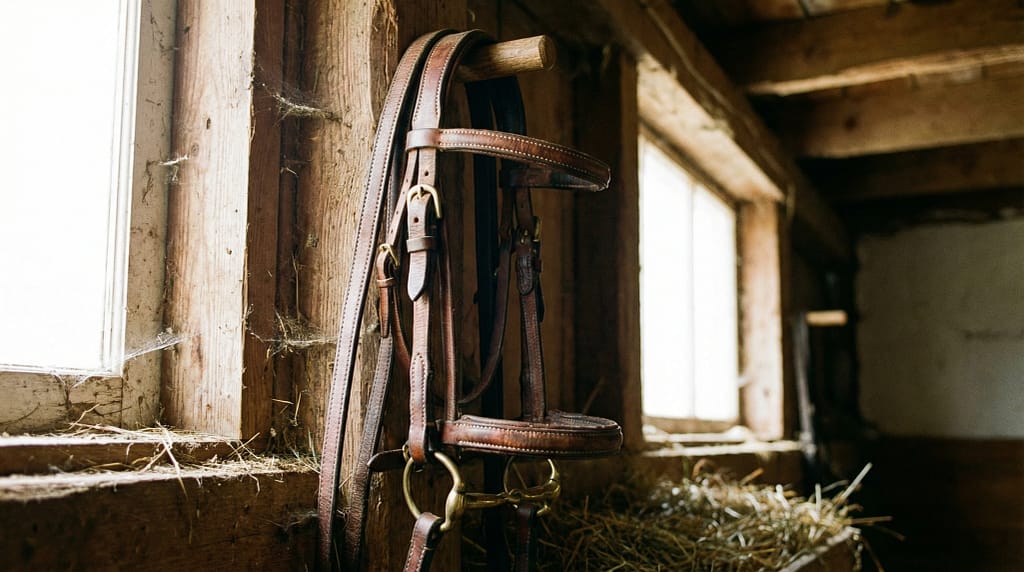
A Bridle Is More Than A Gear For Riding Horses
A bridle is much more than just gear for riding horses. It is the key tool for communicating with them. Using a bridle helps riders guide, control, and connect with their horse, whether in an arena, on a trail, or at a show. For beginners, handling and fitting one might seem complex, but getting the basics down really builds confidence with any horse and makes horse time a lot smoother.
If you’re new to horses or just looking to brush up your knowledge, understanding how a bridle works, the types out there, and how to care for one makes a huge difference in both comfort and control. Picking the right bridle can make your rides smoother, safer, and more enjoyable for you and your horse. The right fit isn’t just about looks—it helps your horse perform better and helps you communicate your cues clearly.
Check out this full breakdown—from choosing the right bridle to getting the fit just right, plus practical tips on keeping your bridle in top condition long-term.
1. What Is a Bridle?
A bridle is a piece of tack that fits over a horse’s head and acts as a communication bridge between rider and horse. Its job is to help a rider send signals to their horse through the reins, which are usually connected to a bit (the piece that sits in the horse’s mouth) but sometimes to the noseband, especially in bitless designs. Bridles give riders the ability to steer, stop, and communicate more clearly with subtle movements felt by the horse.
Most bridles are made from leather, though synthetic materials are now becoming popular because they’re durable and easy to clean. It’s common to see different designs based on riding style such as English or Western, but the main function of every bridle remains the same: safe, comfortable control for both horse and rider.
Main Bridle Parts:
- Crownpiece: Sits behind the horse’s ears and holds all the parts together.
- Browband: Runs across the forehead and stops the bridle from slipping back.
- Cheekpieces: Attach the crownpiece to the bit securely.
- Noseband: Wraps around the nose and can help with control.
- Throatlatch: Buckles under the throat to keep the bridle in place.
- Reins: Straps the rider holds to communicate directly with the horse.
2. Types of Bridles and Their Uses
There are plenty of bridle styles, each built with a different kind of riding in mind. Picking the right one depends on the horse, your discipline, and even your preferences. Some horses go best in traditional setups, while others benefit from newer, more ergonomic designs for added comfort or performance.
Popular English Bridles
- Snaffle Bridle: The most basic type, commonly used in both training and competition. It uses a single bit, making it popular for flatwork and jumping activities.
- Double Bridle: Used in advanced dressage. It features two bits and two sets of reins, allowing the rider to use more subtle cues and have greater precision.
- Figure8 (Grackle) Bridle: Has a noseband that crosses over the nose instead of circling it, especially helpful for horses that tend to open their mouths too much during rides.
- Drop Noseband Bridle: The noseband sits lower on the face, which can help keep the bit steady and minimize unwanted movements.
Popular Western Bridles
- Browband Headstall: Features a simple browband and one set of reins; it’s common for trail riding or ranch work due to its sturdy build.
- OneEar or TwoEar Bridle: No browband. Instead, a loop (or two loops) fits over the ear for a lighter feel and minimalist look.
Bitless Bridles
Some horses are easier to ride without a bit, maybe because of sensitivity or past injury. Bitless options send pressure to the nose and jaw rather than the mouth. Sidepulls, hackamores, and crossunder designs are all considered bitless styles, and they give riders a way to guide the horse gently while avoiding mouth contact altogether.
3. How to Fit a Bridle Correctly
A well-fitted bridle is essential for comfort and clear communication. A bridle that fits poorly can lead to slipping, rubbing, or—worse yet—pain for your horse. Always doublecheck the fit each time you tack up, especially if you’re riding a horse you don’t know well or if you recently adjusted the bridle.
Steps for Fitting a Bridle
- Crownpiece: Should rest comfortably behind the ears, avoiding pinching or too much pressure that could cause soreness.
- Browband: Needs to lie flat without pulling the crownpiece into the horse’s ears. A browband that’s too short is a common source of discomfort that horse owners often overlook.
- Cheekpieces: Adjust these so the bit sits at the right height—just high enough to create a slight wrinkle at the corner of the mouth in most snaffle bridles.
- Noseband: Should fit snug by allowing you to slip two fingers underneath. If it’s too tight, it can cause discomfort; if it’s too loose, it may not work as intended.
- Throatlatch: Secure enough to keep the bridle from slipping off, but loose enough for comfortable movement. You should be able to fit at least four fingers in this space for proper flexibility.
Common Fit Mistakes
- Nosebands that sit too high or too low, causing either pressure or slipping out of position
- Browbands that are too tight, leading to pinched ears, or too loose, making the whole bridle unstable
- Cheekpieces that put uneven pressure on the bit, making communication with the horse unclear
Taking the time to check each part of the bridle pays off by preventing discomfort or injury. If you’re not sure about fitting, most tack shops have helpful staff who can walk you through adjustments or recommend the right size for your particular horse.
4. Choosing the Right Bridle for Your Horse
No two horses are quite the same, and what works for one might not be right for another. Consider temperament, the horse’s mouth anatomy, and the kind of riding you’ll be doing. Riders with young or sensitive horses sometimes reach for padded or anatomical bridles to boost comfort, while those competing in shows might be after traditional styles for a polished turnout.
- Riding Discipline: Dressage, show jumping, and Western events each have their own standards and rules for bridles. Make sure your gear fits the activity.
- Horse Comfort: Look for features like padded headpieces, softly lined nosebands, or innovative shapes that reduce uncomfortable pressure spots.
- Rider Experience: Double bridles and other advanced designs work best for seasoned riders. Beginners should stick with straightforward snaffle setups until they’ve built up skills and confidence.
- Material and Care: Leather looks great and lasts, but it requires more cleaning and maintenance than synthetic choices. Synthetic is easy to clean and holds up to weather or mud well.
Try several types out—many barns have spares for new riders to test. Pay attention to how your horse reacts to different bridles, as some horses have strong preferences or specific needs based on anatomy or past experiences.
5. Bridle Care and Maintenance
Keeping your bridle in good shape leads to a longer lifespan and keeps things comfy for your horse. Regular attention makes a big difference. Leather needs regular cleaning and treatment to stay supple and safe. Even synthetic bridles, while lower maintenance overall, should be wiped clean after muddy or sweaty rides to prevent buildup. If you skip out on care, damaged or dirty gear can fail at inconvenient or even dangerous moments.
Basic Cleaning Steps
- Take the bridle apart so you can scrub every piece, focusing on buckles and stitched ends that collect grime.
- Wipe down all surfaces with a damp cloth to get rid of sweat, dirt, and loose hair.
- If it’s leather, use a gentle cleaner or saddle soap and rinse carefully so residue doesn’t build up. For synthetic, mild soap and water usually does the trick.
- Add leather conditioner to prevent cracks and keep everything soft. There’s no need to condition synthetic.
- Let the bridle dry naturally, away from heat or sunlight, and store it in a cool, dry area where it won’t get squashed.
If your bridle gets heavy use, plan a deep clean every few weeks and do quick wipe-downs after rides. Regular checks for worn spots, cracks, or stretched-out holes help you catch problems before they put safety at risk.
6. Safe Handling and Common Safety Tips
Safe handling is more about building good habits than learning complicated procedures. Always be gentle when putting on or taking off a bridle, especially around your horse’s ears and sensitive mouth. Doublecheck all straps and buckles before you get on—something as small as a loose throatlatch can lead to problems during a ride. If you spot worn leather, stretched holes, or loose stitching, swap that piece out—or the whole bridle—for safety’s sake.
When carrying a bridle, hold the crownpiece in one hand and support the bit with the other to avoid tangling or dropping. It’s a good idea to hang bridles up neatly after every ride to help them keep their shape and stay out of the dirt. Regular checks for safety and routine organization make every ride safer and more enjoyable.
Final Thoughts
A bridle is a simple tool that brings together safety, comfort, and communication with your horse. Getting familiar with the different styles, learning how to fit and care for your bridle, and checking for signs of wear all go a long way toward better rides for both you and your horse. If you’re thinking about getting a new bridle or upgrading your current gear, trying out different styles and asking for advice from experienced riders will make the decision much easier and more rewarding in the long run. Building your bridle knowledge is a surefire way to give both you and your horse a boost every time you ride.
Build Your Online Business
and Learn Affiliate Marketing
See you there!
Our Unique Value Propositions
Discover why Chwals GPT is the top choice for equestrians looking
to build their online presence (register for free)
Tailored Equestrian Expertise – Community Connection – Intuitive User Experience


