Famous Equestrian Events Around The World And Their History
Equestrian events are a deep-rooted tradition in cultures all over the world. From the grandeur of show jumping tournaments in Europe to the thundering hooves at the American rodeo, these events showcase the powerful bond between rider and horse. People often think of equestrian sports as exclusive or oldfashioned, but they actually offer a fascinating mix of history, sport, and social culture. If you’re curious about what makes these events so exciting, or which ones are the best known globally, check out some of the biggest equestrian highlights around the world and how they came to be.
The Equestrian World’s Grandest Events
Equestrian events have a way of drawing crowds, whether it’s for the drama of competition or the spectacle of tradition. Horse sports feature everything from international tournaments to local festivals. One big reason why these competitions are so captivating is the athleticism of both the rider and the horse, matched with ritual and pageantry that go back centuries.
The earliest records of horse competitions date back to the ancient Olympic Games in Greece, with chariot and mounted races being huge crowd-pleasers. Over time, equestrian disciplines have split into several major types. Each has its own set of traditions, skills, and global events. These include show jumping, dressage, eventing, racing, polo, rodeo, and more. The reach is wide, and the events themselves tell the story of each country’s love affair with horses. This love for the sport and partnership between human and horse has shaped cultures and even influenced modern-day equestrian sports as we know them.
Show Jumping, Dressage, and Eventing: The Olympic Classics
Jumping, dressage, and eventing are the backbone of international equestrian sport, with roots in military training and nobility. These are also the main disciplines in the equestrian portion of the Summer Olympic Games.
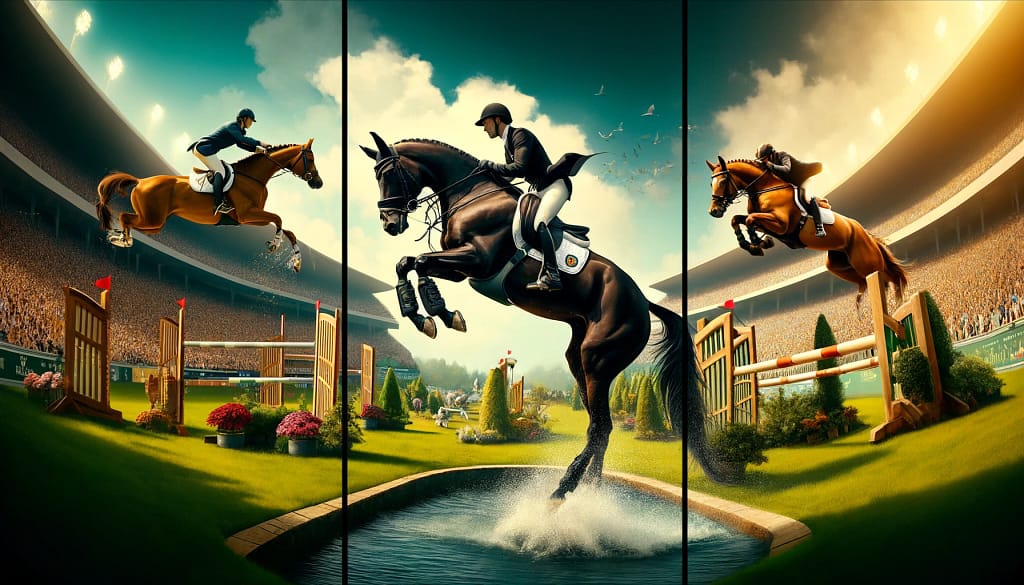
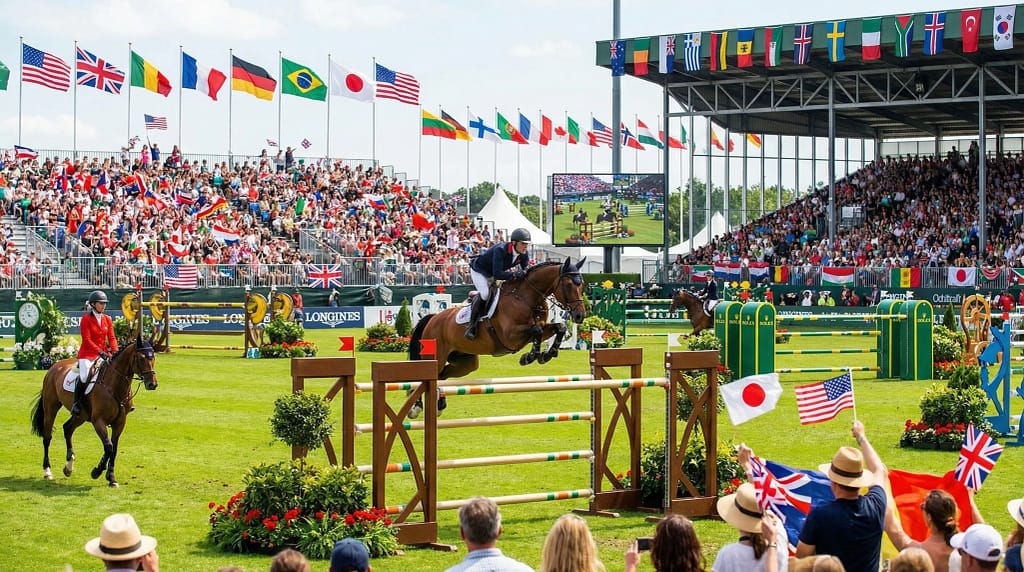
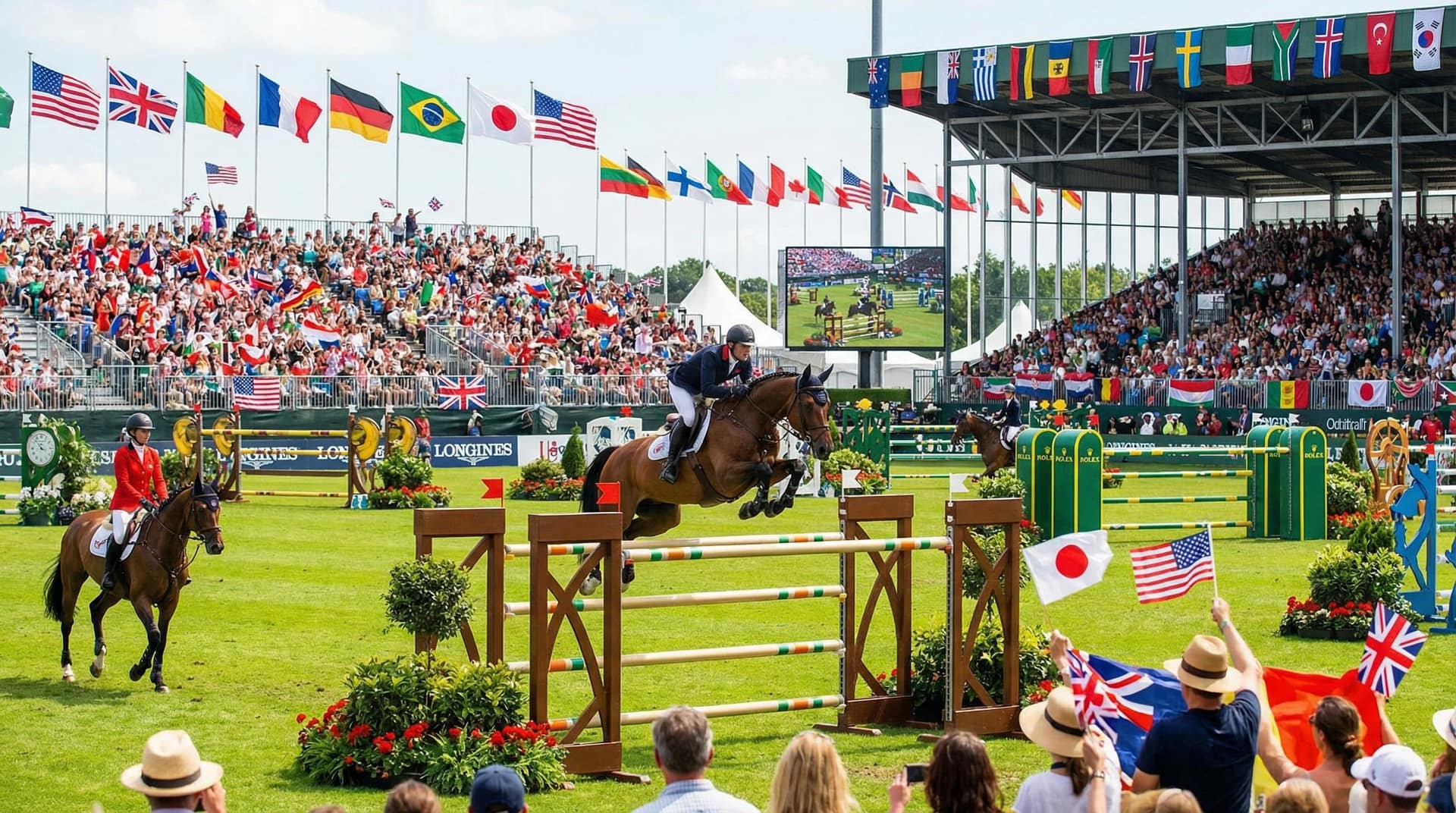
- Show Jumping: This is all about agility and nerve. Riders and horses take on a course of jumps, aiming for speed and fewest faults. The FEI World Cup Jumping is one of the sport’s top circuits, held since 1978 and featuring the sport’s best athletes from all over the world.
- Dressage: Sometimes called “horse ballet,” dressage highlights finely tuned partnerships where horse and rider perform a set pattern of movements. The FEI World Cup Dressage, started in 1985, gathers elite riders to showcase supreme control and artistry. Judges focus on how well the horse and rider work together and how smooth and elegant their movements appear during the routine.
- Eventing: Combining dressage, cross-country, and show jumping, eventing is like a triathlon for equestrians. The Badminton Horse Trials in the UK, started in 1949, is one of the oldest and best-known eventing challenges, drawing top competitors and thousands of fans each year. Riders and their horses demonstrate versatility, stamina, and trust as they switch between phases across several days.
Other famous equestrian events, such as the Burghley Horse Trials and the Rolex Kentucky Three-Day Event, also gather the best in eventing for challenging courses and unforgettable sportsmanship. These competitions step up traditional riding skills and push both horse and rider to give their absolute best.
Horse Racing: Fast-Paced Spectacle with Rich Traditions
Horse racing is probably the world’s most widely recognized equestrian sport. Each country has its own legendary races, often tied to history, fashion, and even local food traditions. Wagers and pageantry go hand in hand at these racing events. The events are visually striking and often attract a mix of devoted fans and newcomers each year.
- The Kentucky Derby: Kicking off the U.S. Triple Crown, the Derby in Louisville, Kentucky, is more than a race. It’s a social event with a signature drink (the mint julep) and bold hats in the stands. Dating to 1875, it’s America’s oldest continuously held sporting event and is broadcast to millions worldwide.
- The Grand National: This steeplechase race in Liverpool, England, started in 1839 and is famous for its dramatic jumps and unpredictable outcomes. It’s watched by millions each year, even by those who don’t normally follow racing. The course’s rough fences and length make it a real test for horse and jockey.
- Melbourne Cup: Australia’s most famous race, the Melbourne Cup has been held since 1861. The whole country tunes in to watch, and the party atmosphere rivals any other sporting event worldwide. “The race that stops a nation” is just as much about spectacle as it is about speed.
Horse racing events often show off local traditions and styles. In Dubai, the Dubai World Cup offers huge prizes and glitz; in Hong Kong, the Hong Kong Derby brings together international runners and trendsetting fashion. Each race, whether big or small, carries traditions that give a unique flair to the event itself.
Polo: A Sport with Global Reach
Polo’s roots trace back over two thousand years to Central Asia, growing out of training exercises for cavalry units. It found its modern form in India in the 19th century and quickly spread to Europe and the Americas. Polo is now played in more than 80 countries, with Argentina noted for both its passion and world-leading talent.
- Argentine Open: Held in Buenos Aires since 1893, this tournament is the sport’s most prestigious, often featuring players at the absolute top of their game. The mix of speed, teamwork, and skill in Argentine polo is unmatched worldwide, and the event draws massive crowds as well as international attention.
- Royal Windsor Cup: A British classic, the Windsor Cup held at Guards Polo Club boasts a royal audience and high-profile players. Tradition and competitive spirit go hand in hand, making it a must-see for any polo fan.
Western Events: Rodeo and More
Westernstyle events show off a different side of equestrian culture. Rodeos started as practical contests between working cowboys in the American West and Northern Mexico. Now, they’re huge entertainment events with their own distinct traditions.
- Calgary Stampede: This Canadian rodeo and festival began in 1912 and is now called “The Greatest Outdoor Show on Earth.” You’ll see bull riding, barrel racing, chuckwagon races, and colorful parades that celebrate the history and excitement of cowboy culture. Beyond the arena, music, food, and festivities make the Stampede a highlight of Canadian summer.
- National Finals Rodeo: Every December in Las Vegas, this is where the best riders and ropers from the U.S. face off for big prizes and bragging rights. Events include everything from bronc riding to steer wrestling, and fans gather from all over to cheer for their favorites.
Rodeos don’t just focus on the sport—they offer a snapshot of Western heritage, from cowboy hats and boots to live music and community spirit.
Unique Equestrian Festivals and Cultural Events
Certain equestrian events are woven right into the culture and history of their region. These unique festivals mix pageantry, tradition, and often a good-natured rivalry among participants.
- Palio di Siena: Held twice a year in Siena, Italy, this horse race is a wild, bareback sprint around the city’s main square. With roots back to the 1600s, the race is less about formal sport and more about town pride, costumes, and drama. Although the race lasts just 90 seconds, the party goes on for weeks, filling the narrow streets with anticipation and excitement.
- Spanish Feria: Regions like Andalusia host lively spring fairs combining horse parades, flamenco music, and openair dancing. Horses and their riders show off traditional styles, turning whole towns into moving displays of color and skills. At these festivals, families come together, communities celebrate heritage, and visitors get a true taste of local horse culture.
Preparing for an Equestrian Event: What Goes Into It?
Getting ready for a big equestrian event takes a lot of planning, practice, and dedication, whether you’re a rider or just a fan. Riders and horses often train together for months or years to compete at top levels. Fitness, trust, and communication are the focus, along with the technical skills required for each discipline. Preparation demands careful attention to every detail, including caring for the horses and ensuring everyone arrives in peak condition.
Most famous events involve strict qualifying standards, so only the top athletes make it. Horses get the star treatment, from special diets to professional grooming and regular vet checkups. Even for the audience, planning is key. Tickets for high-profile events sell out early, and grandstand seats are the most sought after. Good event guides or official websites share all the details you need to plan a trip, including parking, hospitality, and what to wear. Sometimes, there’s a dress code—especially at traditional races—so it’s good to check ahead of time.
Tips for Enjoying a Major Equestrian Event
- Arrive Early: These events can get busy fast, so being early gives you a chance to watch warm-ups, grab good seats, and take in the scene a bit more.
- Dress for the Weather: Outdoor equestrian events mean standing or sitting outside for hours. Sunblock, hats, and even rain ponchos go a long way, especially at big race days or country shows.
- Learn the Rules: Each equestrian sport’s scoring system and etiquette are different. A little quick research helps you follow along and enjoy the drama as it unfolds.
- Take Photos Respectfully: Horses and riders need to focus, so turn off your camera flash and avoid making loud noises during performances.
For first-timers, finding a knowledgeable friend or checking the official event guide helps make the most of your experience and understand the excitement of each contest.
Frequently Asked Questions
How are major equestrian events judged?
Judging systems vary between sports. In jumping and eventing, penalties or faults are added for knocking poles or going over time. In dressage, judges score movements based on precision and style. For racing, it’s simple: first past the post wins!
How do people get tickets for famous events?
Events like the Kentucky Derby or Royal Ascot offer tickets online, with options from general admission to hospitality packages. Planning ahead is nearly always needed for the most popular days.
Are these events suitable for families?
Absolutely. Most have sections for families, entertainment for kids, and loads of food and culture to soak up, making for a fun day out even if you’re not an expert.
Why Equestrian Events Keep Their Magic
The thrill of equestrian competition, mixed with historic rituals, fashion, and international flair, keeps these events popular among new fans and longtime enthusiasts alike. Human and horse working together make each event a unique and unforgettable experience. From the show rings of Europe to the dusty rodeo arenas of North America, there’s something here for every type of spectator to enjoy. Whether you’re passionate about horses or looking for a one-of-a-kind live sports adventure, equestrian events all over the world continue to offer sights, sounds, and stories that inspire awe and keep fans coming back year after year.
Build Your Online Business
and Learn Affiliate Marketing
See you there!
Our Unique Value Propositions
Discover why Chwals GPT is the top choice for equestrians looking
to build their online presence (register for free)
Tailored Equestrian Expertise – Community Connection – Intuitive User Experience