How To Start A Successful Horse-related Blog
Starting a horse related blog is a great way to connect with people who share a love for horses, whether you’re deep into the equestrian lifestyle or just enjoy talking about your favorite hobby. I’ve found that blogs like these aren’t just for sharing pretty horse photos (though those are fun, too), they’re about building a community, telling real stories, and helping fellow horse lovers out.
If you’re thinking about starting your own blog, I’ve put together some steps and ideas that will help you get moving in the right direction. It might feel overwhelming at first, but if you focus on a plan and stick to what actually interests you, you’ll see it pay off in readers, engagement, and maybe even opportunities you hadn’t expected.
This guide covers what you need to know to launch and grow a horse related blog, from choosing a focus to staying consistent over the long haul.
Step 1: Pick Your Niche and Audience
The world of horse blogging is actually pretty big. You’ll find blogs about riding tips, horse care, training stories, competition results, general equestrian lifestyle, rescue stories, horse products, and more. Picking a focus makes it easier to stand out, attract readers who care about what you’re sharing, and keep yourself motivated.
Questions to Help You Decide:
- What part of horse life excites me the most? (Training, care, competitions, breed info?)
- Do I want to focus on new riders, seasoned competitors, or casual horse fans?
- Am I interested in sharing advice, telling personal stories, or reviewing products?
- What do I wish I could read about when I browse other blogs?
Examples of Niche Ideas:
- Horse care advice for new owners
- Personal adventure through competitive show jumping
- Tales from the barn: funny, heartfelt, or unusual horse stories
- Gear reviews and howtos
- Breed specific info (Quarter Horses, Arabians, etc.)
- Equestrian travel tips and horse friendly destination guides
Defining your niche early on helps keep your blog content focused and appealing to people looking for exactly what you’re offering. Many popular horse bloggers began with a narrow focus and gradually branched out as their confidence and audience grew.
Step 2: Choose a Blogging Platform and Name
Tools for creating a blog are everywhere. The most common options, like WordPress, Blogger, or Wix, all work well for horse related content. I personally prefer WordPress because it’s flexible and offers lots of customization, but pick what feels easiest to use. You want a platform that lets you post, add photos, and maybe even tweak the look as you go without much hassle.
How to Choose a Blog Name:
- Keep it short and easy to remember
- Look for something that hints at your content or personality
- Try to grab the matching domain name if you plan to go big
- Check that no one else is already using the name (search Google or social media to double check)
Example Names for Inspiration:
- StableStories.com
- HoofPrintsBlog.com
- HappyHacksWithHorses.net
- GallopGuide.org
- CanterCollective.com
Once you’re set up, spend some time getting familiar with your platform’s features so you can focus more on writing and sharing, not wrestling with tech. Consider watching free tutorials online or reading basic guides to save yourself frustration later.
Step 3: Create Useful and Relatable Content
People come back to blogs because the content either helps them or entertains them. If you can do both, even better. Blogs shouldn’t read like encyclopedias; instead, bring in your own experience. When I started, I wrote about training struggles and wins, little barn hacks, and honest gear reviews. You don’t have to be a professional trainer or veterinarian; what matters is honesty and your real perspective.
Types of Posts Horse Lovers Enjoy:
- Step by step guides, like How to Clean a Saddle or How to Tackle Trailer Loading Issues
- Product reviews (boots, tack, supplements)
- Personal stories—funny mishaps, big wins, lessons learned
- Interviews with trainers, vets, or other riders
- Photo diaries or barn tours
- Special features and horse show recaps
If possible, add your own photos. Even snaps from your phone go a long way in making the blog feel authentic. Remember to use easy to read language and break things up with subheadings or lists to keep things userfriendly. Adding a quote from a trainer you admire or explaining a recent challenge you faced can help people connect with your content.
Step 4: Stay Consistent and Set a Posting Schedule
Fresh content keeps readers coming back and helps your blog show up on Google. I recommend picking a posting schedule that feels doable, like once a week or every other week to start. Let readers know what to expect, and try sticking to a routine so your blog doesn’t fade into the background.
Tips to Stay Consistent:
- Set reminders to brainstorm or write posts
- Batch write several posts when you have extra time
- Keep a running list of blog ideas (in a notebook or phone app)
- If you’re swamped, try shorter updates or a photo post
Even if you take a break (life happens), share a quick update with your audience so they know you’ll be back. Keeping a steady pace, even with small updates, helps your blog remain part of your readers’ routines.
Step 5: Grow Your Audience with Community and SEO
Readers are the heart of any successful blog, and it’s pretty satisfying turning casual web surfers into loyal followers. To reach more horse lovers, focus on community and smart keywords.
Things That Help Grow a Horse Blog:
- Share your posts in equestrian Facebook groups or forums
- Use hashtags when posting on Instagram or Twitter
- Reply to comments and ask questions to build relationships
- Guest post on similar blogs, or invite guest writers
- Team up with small horse businesses for giveaways or reviews
- Email other horse bloggers to introduce yourself—networking can lead to more exposure
Adding keywords like “horse training tips,” “barn hacks,” or “equestrian gear reviews” naturally to your post titles and sections helps Google send curious readers your way. If you want to learn more about this, check out getting started with basic SEO for bloggers (super useful if you want to grow). Exploring analytics as you get more posts up can also show you which topics resonate, helping you make more of what your readers like best.
Step 6: Design an Inviting and Functional Blog
You don’t need to hire a web designer, but you want your blog to look clean and easy to use. Simple, uncluttered layouts work best; readers should be able to find your latest posts and search through your archives without digging. Add a search bar, organize posts by topic, and make sure your contact info is easy to spot in case someone wants to get in touch about a partnership or question.
Blog Features Worth Adding:
- About page sharing your story and why you love horses
- Contact page for messages or business inquiries
- Email signup for blog updates
- Quick links to your social media
- Resource section with links to your favorite horse care guides or products
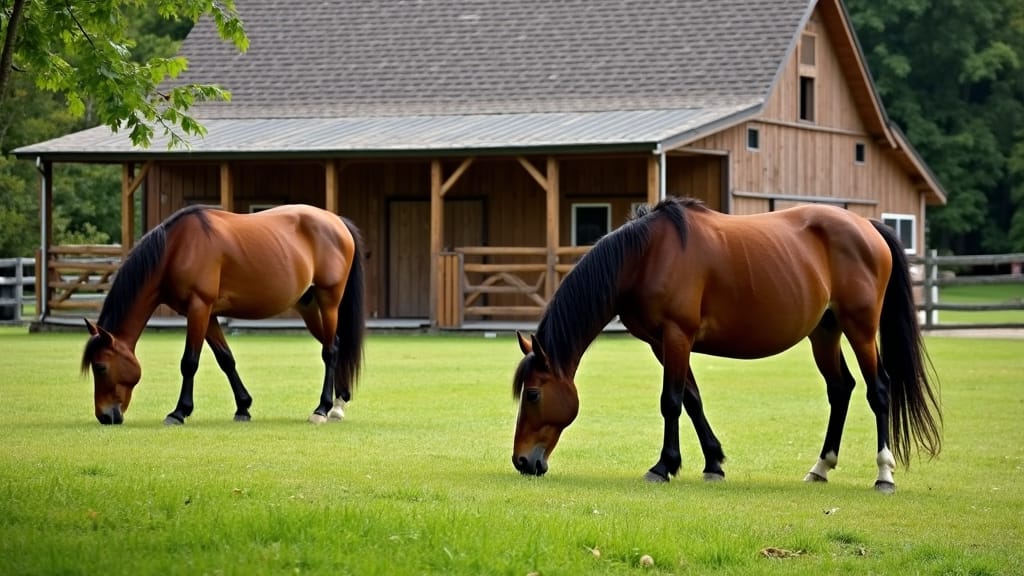
A personal touch, like a barn logo or a welcoming intro photo, helps make the blog truly yours. Your “About” page can share what got you into horses, and maybe even introduce a favorite horse or two. Giving readers a peek behind the scenes builds loyalty.
Step 7: Keep Learning and Having Fun
The best part about blogging is that it can grow with you. Your writing style, your interests, and your group of followers can all change and expand. If you get stuck, check out other horse blogs for inspiration, or try something new—maybe an interview or a funny “fail” compilation. Keep learning from your readers by asking for feedback or suggestions. Blogging should feel rewarding, not like homework.
Easy Ways to Keep Improving:
- Ask readers for their favorite topics or questions
- Watch for trends in horse care or equestrian sports
- Attend local horse events for more story ideas
- Connect with other bloggers online
- Listen to equestrian podcasts or join webinars for new angles
If you’re having fun with it and sharing useful or entertaining content, you’re already on track for long term blogging success. Blogging is a great chance to make friends, build skills, and even set a positive example in the wider horse community as you grow.
Common Questions & Troubleshooting
What if I’m not a horse expert?
You don’t need to be a professional! As long as you’re clear about your experience (hobbyist, new owner, event rider, etc.), readers appreciate honesty and real stories. You can always link to expert resources when needed. Being helpful and transparent builds trust over time.
How do I come up with new post ideas?
- Write about daily barn life or challenges you’re facing
- Share reviews of recent gear purchases
- Discuss new trends or products you spot online
- Share reader stories with their permission
- Create seasonal content—like summer riding tips or holiday horse treats
Do I need pro level photos?
Not at all. Real life barn or pasture photos, even from your phone, are perfect. Just make sure images are clear and relevant to the post. Over time, you can experiment with photo editing apps if you want to make your images pop, but focus first on authenticity.
Final Thoughts & Getting Started
Horse blogging is about sharing your adventure, building connections, and having a little fun with it all. Focus on what excites you, stay genuine, and watch your blog grow.
Your Next Steps:
- Figure out your blog focus and pick a catchy name
- Set up your blogging platform and write your first intro post
- Start connecting with other horse lovers online and offline
What’s the first topic you’ll write about for your horse blog?
Enjoy your equestrian journey! 🏇
Build Your Online Business
and Learn Affiliate Marketing
See you there!
Our Unique Value Propositions
Discover why Chwals GPT is the top choice for equestrians looking
to build their online presence (register for free)
Tailored Equestrian Expertise – Community Connection – Intuitive User Experience