
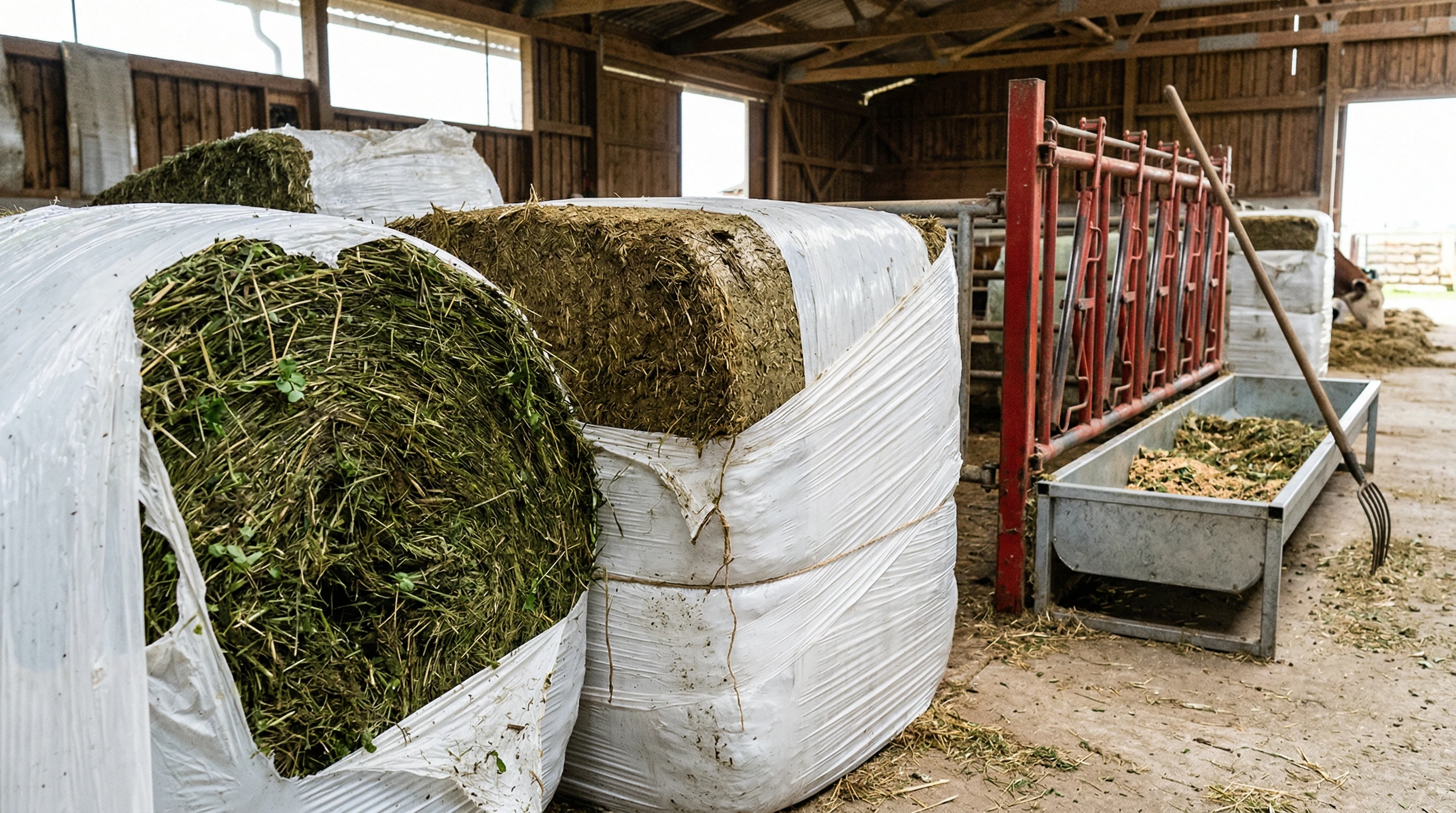
Fermented Forage Preparation Techniques For Equine Gut Health
Fermented forage has gained a lot of attention among horse owners, trainers, and equine nutritionists who want to support healthy digestion and gut balance. Horses evolved grazing on fiber-rich plants and rely on the microbes in their hindgut to break down this fiber for energy. When forage is fermented properly, it can benefit these microbes and encourage a healthy digestive environment. Here, I’ll walk through preparation techniques for fermented forage and how they connect directly with equine gut health.
Why Fermented Forage Matters for Horses
Fiber is at the heart of a horse’s diet. Horses need roughage, such as grass and hay, for energy and to keep their digestive tracts healthy. In the wild, they eat small amounts frequently over long periods, supporting natural gut movements. Domesticated horses, however, might not have continuous access to fresh pasture. Many owners turn to hay, but production methods or poor storage can sometimes introduce dust or mold.
Fermented forage, like haylage and silage, can offer a useful alternative. These feeds are created by fermenting forages in an oxygen-poor (anaerobic) environment, changing how the nutrients are presented to horses and potentially increasing digestibility. When done right, fermentation can help reduce dust, limit harmful molds, and improve the overall fiber profile. Scientific studies, such as research summaries from the Kentucky Equine Research group, show that balanced fermentation can be good for equine hindgut health (ker.com).
Choosing and preparing fermented forage calls for caution, though. Horses are much more sensitive to toxins from poorly fermented forages than cattle or sheep are. This means quality control plays a big role in keeping horses safe and healthy; it’s a step no owner can skip.
The Basics of Fermented Forage? Types and Terminology
I noticed a lot of confusion around the names and forms of fermented fiber. Here’s a simple breakdown of the main types:
- Haylage: Produced by baling grass at higher moisture levels and wrapping it right away to create anaerobic conditions for fermentation.
- Silage: Typically refers to chopped grass or legumes that are packed tightly in a silo, bunker, or wrapped bales, all with reduced air to allow fermentation.
- Ensiled Forage: Any forage that’s been fermented and stored anaerobically, so this term covers both haylage and silage.
The main process is fermentation: naturally present microbes, mostly lactic acid bacteria, convert plant sugars into acids, lowering the pH and preserving the forage. The outcome depends mostly on moisture, oxygen levels, temperature, and the plant material used.
How to Prepare Fermented Forage for Horses
Making safe, high-quality fermented forage means controlling key steps. Here’s how I approach the process, whether considering small-scale DIY methods or working with a commercial supplier:
- Select the Right Forage: I pick grass or legume species that are suitable for horses and harvest them before they get too mature. Leafy, young, and clean material produces better results and is easier for horses to chew and digest.
- Control Moisture Content: For haylage, the ideal moisture content is about 45-55%. I try to avoid too much moisture, which risks spoilage and unwanted microbes, or too little, which leads to poor fermentation. A simple squeeze test often helps: the baled material should feel damp but not drip water when squeezed by hand.
- Get Anaerobic Conditions: After baling or chopping, the forage needs to be wrapped or packed as soon as possible. Oxygen at this stage can lead to mold and spoilage, so I like to use airtight plastic wraps or properly sealed silos.
- Monitor the Fermentation Phase: Fermentation occurs over a few weeks. During this time, I avoid opening bales or disturbing packed forage. A pH drop (to about 4.5–5) shows that acids have formed to preserve the material. If I smell sharp, tangy lactic acid instead of musty or rotten odors, the process most likely went well.
Hygiene makes a huge difference. Dirty equipment or contaminated material can introduce spoilage microbes and toxins, which are dangerous for horses. I always clean tools and make sure the area is tidy before getting started.
Step-by-Step Guide? Make Haylage at Home
Small-scale haylage production is possible, although I always weigh the pros and cons. Here’s my method for making haylage at home:
- Harvest Grass Early: I cut the grass in the morning once the dew has dried. I aim for lots of leaves and as little stem and seed as possible, since young plants ferment best.
- Wilt for a Few Hours: To reach the target moisture level (45-55%), I lay out the grass in a thin layer and turn it every now and then. Too much water can spoil fermentation and lead to poor preservation.
- Bale and Seal Quickly: I use a baler to compact the forage into small round or square bales. Right after baling, I tightly wrap the forage in several layers of plastic wrap. This keeps as much air out as possible.
- Store in a Cool, Dry Place: Sunlight can damage the plastic and heat encourages unwanted fermentation. I stack bales in a shaded area on pallets to control moisture and airflow underneath.
- Wait at Least Two to Four Weeks: The fermentation process needs some time. I let the bales sit without disturbing them. If I have to open a bale, I make sure to use it within a few days.
This method takes a bit of effort, but it allows me to control the forage quality from start to storage. It’s a hands-on way to help step up my horses’ feed choices.
Common Challenges and How to Handle Them
- Risk of Spoilage: If oxygen gets into the bales or silos, spoilage bacteria and molds can grow fast, producing toxins like mycotoxins. I regularly check plastic wraps for holes or tears and patch them when needed. Bad odors, odd color, or sliminess means the forage should not be fed to horses.
- Nutritional Imbalance: Not all fermented forages are the same. I send samples for lab testing to size up sugar levels, protein, acidity, and the presence of any unwanted microbes or toxins before feeding new batches.
- Feeding Changes: I introduce fermented forage in small amounts at first. Sudden changes in diet can upset gut microbes and may lead to digestive issues. Slow introduction lets the horse’s system get used to the new feed.
Troubleshooting Haylage and Silage
Sometimes things don’t go according to plan. If a bale feels unusually hot, has a strong smell like vinegar, alcohol, or rot, or shows visible mold, I play it safe and avoid feeding it. Being strict here helps prevent colic and laminitis, both of which are big concerns for equine health.
Benefits of Fermented Forage for Equine Gut Health
The right fermented forage supports the horse’s hindgut, which is home to a complex population of bacteria, protozoa, and fungi that break down fiber and generate energy. Current research, such as findings published by Horse & Hound (horseandhound.co.uk), show several key benefits, including:
- Steady Fiber Supply: Keeps the hindgut microbes active, which supports digestive health, normal manure, and energy production.
- Lower Dust: Compared to dry hay, haylage is much less dusty. This can really help reduce respiratory problems, especially in horses with allergies.
- Reduced Mold Risk (when prepared properly): Safe fermentation in sealed, oxygen-free conditions cuts back on unwanted mold growth.
- Improved Palatability: Some horses actually prefer the moist, slightly acidic flavor, which can help picky eaters or those that need to gain weight.
The effect of fermented forage can vary. I track my horse’s appetite, condition, coat, manure, and overall behavior to spot any changes when introducing a new batch. Regular conversations with my veterinarian or an equine nutritionist help fine-tune feeding plans and catch problems early.
Tips for Feeding Fermented Forage Safely
To keep horses safe and healthy, I always remember these feeding guidelines:
- Introduce new forage types gradually over one to two weeks.
- Feed only high-quality, well-preserved haylage or silage. If anything smells sour, feels slimy, or shows mold, it’s out.
- Weigh portions to match each horse’s energy needs, especially for horses prone to weight gain or metabolic issues.
- Always provide unlimited fresh water and make a balanced mineral mix available.
- Store bales in a dry, shaded area, and use them quickly after opening—don’t let open bales sit out for too long.
Frequently Asked Questions
Here are a few questions I hear often about fermented forage for horses:
Question: How do I know if haylage is safe to feed?
Answer: Look for bales that are well-wrapped, smell clean and slightly tangy, and show no signs of heating, mold, or sliminess. If in doubt, test the forage or ask a nutritionist.
Question: Can all horses eat fermented forage?
Answer: Most horses can safely eat properly made haylage or silage, but those with metabolic disorders, like Equine Metabolic Syndrome or laminitis, need careful portion control and regular monitoring. Always check with your vet if your horse has specific health concerns.
Question: How long does haylage last once opened?
Answer: Opened bales should be used within three to five days, especially in hot weather, to prevent spoilage. Smaller bales are great if you’re only feeding one or two horses.
Practical Applications and Final Thoughts
Case studies from my own barn and from equine research centers highlight how careful preparation and handling of fermented forage helps horses eat well and feel their best. At home, I’ve noticed less coughing and shinier coats when swapping dusty hay for quality haylage, particularly during winter or allergy season. Many boarding barns now offer haylage as a reliable feed, appreciating how well it supports horses working hard or recovering from stress.
Fermented forage is not a cure-all for every nutrition problem, but when produced and fed responsibly, it’s a tool for keeping the equine digestive system healthy. Horses get feed they enjoy, and their gut microbes get the fiber fuel they need. For owners wanting to step up nutrition and gut health, learning the fermentation process and keeping a close eye on quality is time well spent for happier, healthier horses.
Understanding horses on Amazon
Enjoy your equestrian journey! 🏇
Build Your Online Business
and Learn Affiliate Marketing
See you there!
Our Unique Value Propositions
Discover why Chwals GPT is the top choice for equestrians looking
to build their online presence (register for free)
Tailored Equestrian Expertise – Community Connection – Intuitive User Experience


