
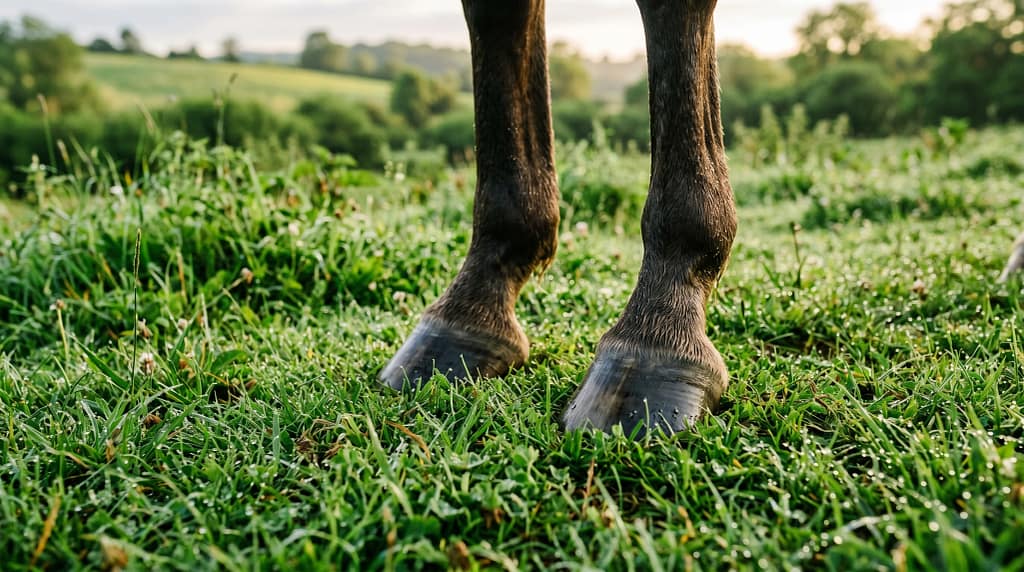
Seasonal Hoof Care Tips For Horses In Humid Climates
If you’re living in a humid climate, you probably know hoof care for horses isn’t always straightforward. High humidity can make hooves soft, prone to disease, and extra tricky to maintain. From swampy fields to regular rain, all that moisture makes it easy for hoof issues to sneak up on your horses, so staying proactive definitely pays off.
Soft hooves, recurring thrush, and fragile horn quality often pop up in wet climates. On the upside, a few seasonal adjustments can help horses’ hooves stay healthy year-round. Here’s a no-nonsense playbook for keeping those hooves in top shape when the air feels thick and sticky.
Know What Makes Hooves Struggle in Humid Weather
Humidity changes how hooves behave. Wetness softens the hoof wall and sole, sometimes leaving feet susceptible to problems you barely see in drier regions. Common humidity-related issues revolve around excessive moisture, not enough drying time, and an increase in bacteria and fungus.
Common Hoof Problems in Humid Climates
- Thrush: Bacteria love damp, muddy conditions. Expect a foul odor and black gunk in the frog.
- White Line Disease: The area where the hoof wall meets the sole gets soft, letting fungi take hold.
- Crumbly Hoof Walls: Moisture weakens the structure, causing flaking and splitting.
- Soft Soles and Bruising: Softer soles can bruise more easily, leading to tenderness.
Being aware of these issues helps you spot the signs early and take action before things turn serious. In fact, the best strategy is staying sharp at all times because hoof conditions in humid places can shift quickly. Pay attention not only to what you see but also what you smell and feel, since early warning signs might be subtle at first.
Adjust Your Routine Each Season
Humidity levels change throughout the year, so your hoof care approach should switch up too. Paying attention to weather patterns and grass growth cycles can make a big difference. Even small adjustments every few months go a long way in helping your horses handle shifting climate stresses.
Spring and Early Summer: Mud Management
- Expect lots of rain and mud. Clean hooves daily, especially after turnout.
- Use hoof picks and wire brushes to get into all the nooks, so debris doesn’t hide in the frog.
- If the field is swampy, consider using a dry, gravelled area for feeding and standing, even if it’s just temporary. This helps feet dry out and gives horses a break from constant wetness.
High Summer: Heat and Humidity
- Keep an eye on dampness inside stalls or shelters; a fan or open windows can help with airflow.
- Check that bedding isn’t holding too much moisture. Wood shavings stay drier than straw.
- Inspect hooves for signs of fungal issues or softening at least every other day. Take notes if you spot changes or new issues popping up.
Late Summer and Fall: Transition Season
- Watch for alternating wet and dry spells. Rapid switches can stress hooves even more and lead to cracking or flaring.
- Regularly apply hoof conditioners, but skip anything labeled as a “sealer,” which can trap excessive moisture. Instead, opt for conditioners that breathe and allow moisture to escape.
These simple adjustments keep hooves stronger and cut down the odds of fungal and bacterial invasions that thrive in humid conditions. If you’re unsure about what to change, it never hurts to ask a knowledgeable farrier or local horse owner for tips, especially if they’ve seen local weather patterns for years.
Daily Hoof Care Practices That Help
Sticking to a consistent cleaning and inspection routine works wonders. Hooves left dirty or wet all day invite bacteria and fungus to move in, which is a recipe for ongoing problems in muggy climates. It’s much easier to prevent issues than to treat them after the fact.
The Hoof-Cleaning Checklist
- Pick out hooves once or twice a day. Check for rocks, twigs, and packed mud.
- Use a wire brush to gently remove caked debris around the frog and sole; this boosts circulation, too.
- Rinse with clean water if hooves are caked in mud, then towel dry if possible. Leaving hooves damp attracts more germs.
- Apply an antimicrobial spray if your horse is prone to thrush. Something like a diluted povidone-iodine solution does the job for most healthy horses, while stubborn cases might need a product recommended by your vet.
Avoid Common Mistakes
- Don’t leave hooves soaking wet after cleaning. Always dry them off to keep fungus at bay.
- Skip petroleum-based hoof dressings in humid seasons; they can box in moisture and make problems worse.
Another useful tip is to keep your cleaning tools sanitized. Bacteria can hop from horse to horse if you use dirty brushes or picks, so give your tools a regular once-over with soap and water.
Smart Management of Pastures and Stalls
The space where your horse lives can be just as meaningful as how often you pick hooves. Tackling a few farm management tasks heads off trouble. Good drainage and air movement help keep hooves in better condition no matter how heavy the rainfall or humidity gets.
Improve Drainage Where Horses Stand
- Install gravel, mats, or grid systems in gateways and high-traffic loafing areas to dry out mud.
- Fix any leaky plumbing that adds extra wetness to paddocks, as pooling moisture is bad news for feet.
- Rotate pastures if you’ve got enough space, giving wet ground a break from hooves. This lets the turf recover and reduces compaction.
Keep Shelters Dry
- Make sure shelters have plenty of airflow; standing fans and open walls help cut down on humidity and speed up drying.
- Change bedding regularly to avoid a perpetual soggy mess. Wet bedding breaks down hooves fast and sets the stage for foot problems.
If you’re in an especially swampy region, try adding a simple rain barrier outside shelter entrances, such as a wide mat or gravel strip. This small addition can block mud tracking indoors and cut down on constant dampness.
Proper Nutrition and Supplementation
What you feed your horse can help with hoof resilience. Good nutrition means stronger hooves that handle humidity better. While genetics play a role in hoof health, environmental nutrition counts for a lot—make it a key part of your hoof care plan.
Focus on a Balanced Diet
- Grass alone isn’t always enough for strong hooves. Make sure your horse gets quality forage plus the right vitamins and minerals. Add a balancer or hoof supplement if your vet suggests it.
- Biotin, methionine, and zinc are pretty handy for hoof strength. Talk to your vet or nutritionist if you’re unsure about supplement amounts. Don’t go overboard—more isn’t always better, but the right mix can really make a difference.
Don’t Forget Hydration
- Even in humid regions, horses need unlimited clean water. Hydration supports good horn quality and healthy growth. If your horse doesn’t drink much, try offering salt or electrolyte blocks to encourage thirst.
When (and Why) to Call the Farrier Early
Having a skilled farrier who gets the challenges of a humid climate is super important for most horses. A proactive farrier can spot trouble before it has a chance to set in, making long-term care much easier.
How Often to Schedule Trims
- Regular trims every 4-6 weeks (sometimes more frequently if hoof growth is fast in summer) prevent distortion and flare. Rushed growth in warm weather can lead to splits or stretching.
- Ask the farrier to trim out any cracks or seedy toe areas to block fungus from taking hold. That simple extra step really pays off over time.
Special Jobs for Shoeless Horses
- Barefoot horses often need their hooves tidied more often in summer, since soft hooves expand and can chip if they grow too long. Quick touch-ups keep hooves from breaking off at the edges or flaring out.
Talk About Hoof Dressing Choices
- Some farriers have strong opinions about dressings and topical products. Don’t be shy about asking what’s worked for other clients in wet conditions. A little advice from someone who’s seen it all is worth its weight in gold.
Common Questions & Troubleshooting
Why do my horse’s hooves always seem soft in summer?
Hoof horn naturally becomes softer in high humidity and with extra moisture from rain, dew, or wet bedding. Stick with extra cleaning and avoid trapping moisture with heavy dressings. Giving hooves plenty of dry time throughout the day helps toughen up the outer layer so they can resist damage.
What can I do if my horse keeps getting thrush?
Daily cleaning and antimicrobial treatments help. Give your horse dry footing options and ask your vet about prescription-strength products if needed. Make sure you remove all the debris and allow the frog to breathe as much as possible.
My fields get very muddy—is that bad for hooves?
Constant mud can batter hoof quality. Add gravel or mats to high-traffic areas and aim for regular dry time, even just a few hours a day in a dry shelter. Keep an eye on your horse’s comfort—if they’re hesitant to walk or you notice a change in gait, a mud-related hoof problem could be brewing.
If you run into problems beyond the usual thrush or minor chipping, bring it up with your farrier or vet right away. Early attention can stop small problems from becoming major ones, especially in the challenging conditions that humid weather brings.
Final Thoughts & Next Steps
Taking care of hooves in a humid climate takes a bit more planning, but it pays off with fewer problems and happier horses. Focus on daily clean-outs, adapt your routine to the weather, and chat with your farrier about any issues you spot early. Most hoof troubles clear up faster if you get on top of them before they blossom into bigger headaches.
Your Action Plan:
- Pick out your horse’s hooves daily; every time you bring them in helps.
- Keep a close eye on bedding, stalls, and pasture conditions for wet spots.
- Work with your farrier and vet to tweak supplements or try new hoof treatments as needed. Building a good relationship with your hoof care professionals makes it easier to spot trouble before it gets serious.
What’s one hoof care trick that’s helped your horses in humid weather? Share your experience in the comments below! Your insights could help fellow horse owners keep their animals comfortable and sound, whatever the weather throws their way.
Shop tips
Understanding horses on Amazon
Enjoy your equestrian journey! 🏇
Build Your Online Business
and Learn Affiliate Marketing
See you there!
Our Unique Value Propositions
Discover why Chwals GPT is the top choice for equestrians looking
to build their online presence (register for free)
Tailored Equestrian Expertise – Community Connection – Intuitive User Experience


