A Beginner’s Guide To Equestrian Event Etiquette And Style
Getting ready for your first equestrian event? Horse shows can feel pretty overwhelming if you’re new, with all the unwritten rules and expectations. Between the polite greetings, classic dress codes, and even how you clap, it’s easy to worry you’ll stick out as a newbie. I’ve been there before, so I’m sharing what I’ve learned about blending in, showing respect, and looking the part at horse shows of all kinds.
Equestrian events aren’t just about riding skills. They’re also about respect, tradition, and creating a fun atmosphere for everyone. This guide covers the basics of show decorum, tips on what to wear, and a few extra pointers that’ll help you feel right at home in the horse show world. Whether you’re a rider, a spectator, or even helping out, you’ll have the know-how to make the day go smoothly and connect with the community.
Understanding Equestrian Event Culture
Every horse show operates on a mix of written rules and traditional customs. It’s not just about following official guidelines; things like polite behavior, respect for the horses, and awareness of the flow of the day are really important. Horse people often value tradition while welcoming those willing to learn and pitch in.
Main Types of Equestrian Events
- Hunter/Jumper Shows: Focused on style, careful riding, and clear rounds over jumps.
- Dressage Competitions: About precision, harmony with the horse, and elegance.
- Western Shows: Include events like reining and Western pleasure, with more casual but still tidy attire.
Even though the details might change between events, good manners and a put together look are valued everywhere. Each type has unique traditions, but the basics of friendliness and responsibility never go out of style.
Event Etiquette Basics
Etiquette matters as much as riding talent. These customs keep everyone safe and help the day run on time. With these helpful pointers, you’ll feel confident even if it’s your first event.
How to Greet and Interact
- When you arrive, say a quick hello to show staff and other riders nearby.
- Be friendly but don’t pester busy competitors or show managers before or during classes.
- Always ask before touching someone’s horse or equipment; the answer isn’t always yes!
Ringside Behavior
- Keep noise down when a class is in progress, both at the rail and in the stands.
- Clap only after each round or when other audience members do.
- Stay back from the gate and entry areas. Give horses and riders room to enter and exit safely.
General Good Manners
- Thank volunteers and staff; they do a lot to keep shows running smoothly.
- Help keep grounds clean. Toss your trash in bins, and if you spot litter, pick it up.
- If you or your horse cause any messes (like knocking over rails or spilling water), fix it if you can or let someone know.
Dress Codes and What to Wear
Outfits at horse shows aren’t just about looking sharp. They show respect for tradition and make it easy for judges to focus on the riding. Even as a spectator, wearing appropriate clothes helps you fit in and look like part of the crowd.
For Riders
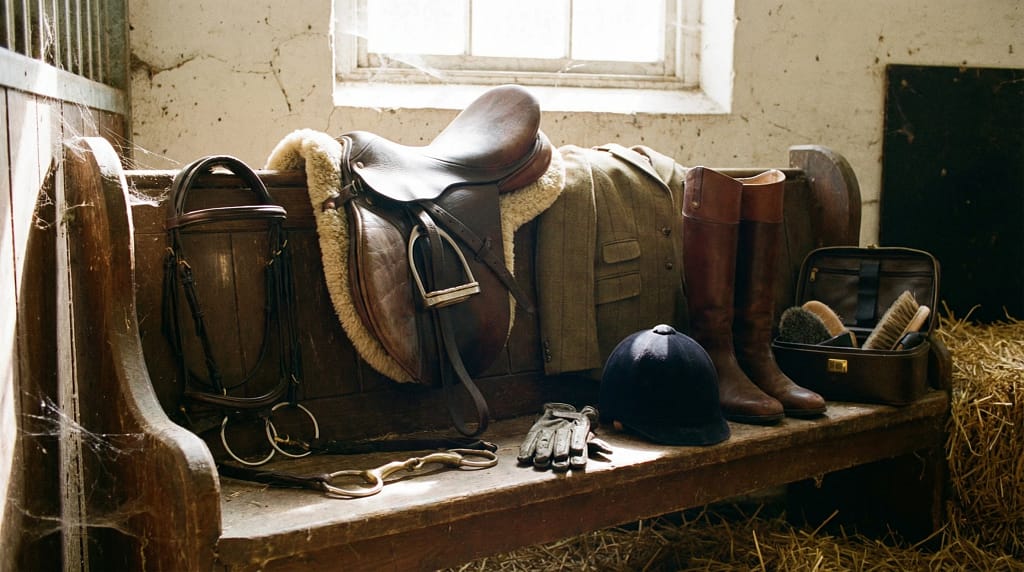
- Hunter/Jumper: Conservative colors like beige breeches, a white or light-colored shirt, navy or black jacket, tall black boots, and a fitted helmet. Hair is usually tucked under the helmet in a neat hairnet or bun.
- Dressage: Black or dark jackets, white breeches, black boots, approved helmets or top hats, and gloves. Keep everything polished and minimal.
- Western: Collared shirts, pressed jeans or show pants, Western boots, and a cowboy hat or helmet. Bright colors and some tasteful bling are fine, but nothing too wild unless it’s a fun show.
For Spectators
Business casual is usually perfect. Think clean, comfortable clothes in understated colors. If you’re wandering the stables or barn area, closed toed shoes are a smart (and safe) choice for comfort and protection.
Extras to Bring
- Weather-appropriate gear (raincoat, sunhat, layers)
- Water bottle and sunglasses
- Foldable chair for longer outdoor events
It doesn’t hurt to tuck a notepad, sunscreen, or some snacks in your bag, especially for all day competitions.
Prepping Your Horse and Tack (For Competitors)
A neat appearance makes a good impression in the ring and shows respect for other competitors. Horses should be well groomed: clean coat, untangled tail, polished hooves, and a tidy mane (braiding is often suggested for hunter/jumper and dressage classes). Tack should fit well and look clean; no dust, loose straps, or worn out bits.
- Pack extra sponges, towels, and polish in your show bag for last minute touch ups.
- Double check tack rules for your class (bit types, saddle pad colors, etc.).
- Consider keeping basic first aid supplies handy for your horse—minor scrapes or pulled shoes happen from time to time.
Common Do’s and Don’ts
These classic do’s and don’ts keep you in good standing, whether you’re cheering on a friend or riding your own horse at the event.
Do
- Arrive early enough to settle in and orient yourself.
- Listen carefully for show announcements.
- Applaud all competitors (not just the winners) after each class.
- Watch for horses walking in pathways. Horses always have the right of way.
- Double check you have all needed entry papers, negative Coggins, or health certificates; this is especially critical at larger shows.
Don’t
- Stand in entrance or warmup gates. Riders may need to move fast.
- Bring dogs, or keep them leashed and under control if the show allows them.
- Feed or pet horses you don’t know without checking first.
- Use flash photography near the ring; it can spook horses.
Questions Beginners Often Ask
Can I take photos?
Photos are usually fine as long as you don’t distract horses or riders. Always check if flash is allowed, and avoid standing in high traffic spots. For really special photos, ask first if anyone objects—it’s better to be safe than sorry!
Do I need to tip helpers or grooms?
If you hire a groom, a small tip is always appreciated, especially after a long day or tough weather. If friends or family help, a thank you snack goes a long way to show you noticed their effort.
How do I act if I make a mistake?
Everyone makes mistakes sometimes, especially at your first few shows. A simple apology and fixing what you can is all anyone expects. Most people are really understanding as long as you try your best and own up to it.
Taking the Next Steps with Confidence
Joining the horse show community is rewarding, even if you feel unsure at first. Focusing on kindness, keeping your area tidy, and showing up in suitable clothes make a big difference. If you want more tips or have stories to share, I always love hearing about other people’s first show experiences. Connecting with experienced riders can help answer questions and build your confidence for future events.
Your Equestrian Show Checklist:
- Plan your outfit and double check local show rules before the big day.
- Arrive early for time to settle in and meet others.
- Be polite, cheer for everyone, and pitch in when you can.
Ready to jump into your first equestrian event? With a little preparation, you’ll do great, and there’s always a spot for new faces in the horse world. Horses, riders, and spectators all come together to celebrate a love for horses and friendly competition. Good luck and happy showing!
Enjoy your equestrian journey! 🏇
Build Your Online Business
and Learn Affiliate Marketing
See you there!
Our Unique Value Propositions
Discover why Chwals GPT is the top choice for equestrians looking
to build their online presence (register for free)
Tailored Equestrian Expertise – Community Connection – Intuitive User Experience