Barrel Racing Tips From The Experts
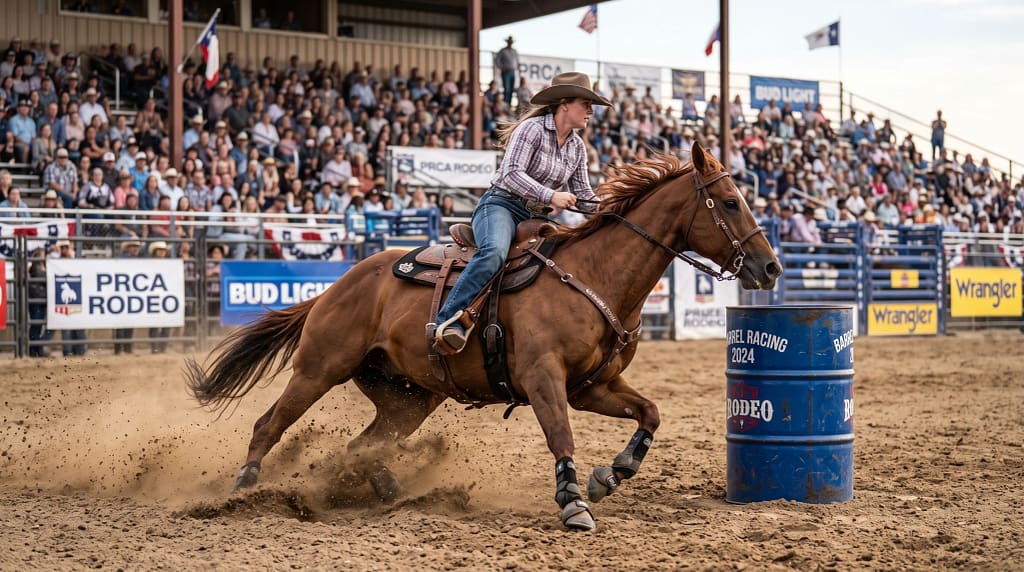
Barrel racing mixes adrenaline, speed, and incredible teamwork between rider and horse. The goal is pretty straightforward: race around three barrels in a cloverleaf pattern as fast as possible, without tipping one over. While the event looks simple from the stands, top riders know it comes down to sharp skills, careful timing, and reliable horse and rider communication.
How Barrel Racing Became a Rodeo Staple?
Barrel racing found its roots in Western rodeos. It first appeared at small gatherings in Texas back in the 1930s, mostly as a women’s rodeo event. The simple cloverleaf pattern quickly turned into a crowd favorite. These days, it’s a regular event at rodeos all across North America. Over the years, equipment, training methods, and competition levels have stepped up, and now both men and women compete at high levels.
The modern barrel racer brings a mix of skills: fast thinking, quick reflexes, and the kind of athleticism that comes from hours of practice. The horses involved are usually American Quarter Horses, well known for their power and agility. A strong bond between horse and rider really makes all the difference out on the course. Not only do they need to trust each other, but they must react to split-second changes in speed and positioning on the course for the fastest possible times.
Barrel racing’s glow-up over the decades has helped build its rock-solid reputation. With more prize money, formal youth leagues, televised events, and improved facilities, the sport has drawn in fans and riders of all ages. Watching talented athletes let it rip in the arena has inspired a whole new generation eager to check out this popular rodeo event.
Essential Gear for Barrel Racing?
Success in barrel racing relies on having the right gear—from the tack on your horse to the boots on your feet. Here’s a rundown of equipment that experienced riders wouldn’t skip:
- Saddle: Barrel saddles are lightweight and have a high cantle to keep you snug during sharp turns.
- Reins: Most barrel racers use short, single loop reins for better control and fast hand adjustments.
- Protective Boots: Both for you and your horse. Leg boots or wraps protect the horse’s legs from bumps and brushes. As for riders, a sturdy pair of boots helps you stay secure in the stirrups.
- Helmet or Cowboy Hat: A helmet is always safer, especially as you build experience. Many experienced riders at the pro level still choose to wear one for peace of mind.
- Appropriate Bit: The choice depends on your horse’s comfort and training. Experts say working with your trainer to find the right bit gives you better results than following trends.
Riders also keep grooming and medical kits handy in the trailer. A well prepped kit can help you deal quickly with minor scrapes or unexpected problems at the arena. In unpredictable weather, packing rain gear and a sweat scraper for your horse can also make your day run smoother.
Expert Barrel Racing Training Tips?
Seasoned barrel racers have a few training habits in common. They never rush the process, and they focus hard on technique, never just speed. Here are some tips directly from experts who’ve spent years in the arena:
- Drill the Pattern Slowly First: Get your horse comfortable by walking and trotting the barrel pattern. Speed comes after your horse understands what you’re asking for.
- Work on Transitions: Practicing smooth transitions from slow to fast (and back down) is key. Horses that can shift gears on command will turn tighter and head out of the barrels with more power.
- Keep Training Sessions Short: Overworking your horse leads to mental burnout and physical stress. Quick, focused training gives you better long-term results.
- Record Your Runs: Watching yourself on video makes it easier to spot areas for improvement. Many top riders review videos to adjust their approach at each barrel.
- Switch Up Drills: Toss in exercises that improve overall agility, like figure eights and rollback turns. Adding ground poles or obstacles into your training can also challenge your horse’s coordination and keep workouts fresh.
Professional trainer Sherry Cervi, a multiple world champion, often says the fastest runs come from horses who feel relaxed and confident, not just hyped up. Patience pays off, especially with young or inexperienced horses. Building trust and a clear sense of teamwork often leads to breakthrough improvements when you least expect it.
Common Mistakes Barrel Racers Face?
I see a lot of riders making the same few mistakes, whether they’re just starting out or pushing for better times. Being aware helps you make adjustments before bad habits set in:
- Oversteering Into the Barrel: Trying too hard to help the horse actually causes tighter turns that can knock over a barrel. Trust your horse to find the line.
- Leaning Forward Too Early: It’s tempting to lean into turns or sprint off the last barrel, but it throws your weight off and can unbalance your horse.
- Ignoring Fitness: Both horse and rider need conditioning. Legs, core, and balance are super important. Spending all your time just running patterns won’t prep you for the demands of competition days. Cross training, such as short trail rides or basic exercises, can give your horse an edge and keep you both in top shape.
- Skipping Warm-Ups: Jumping right into the first run often means stiff muscles and nervous horses. Take ten minutes to warm up, and you’ll get better times and fewer injuries.
If you find yourself struggling with one of these, don’t get discouraged. Even professional riders go back and fix basics from time to time. Sometimes, touching up old skills is what helps you break out of a performance plateau.
Prep for Your First Barrel Race?
Trying your first barrel race feels exciting and a bit nerve wracking. A smooth experience comes down to preparation. Here’s my checklist for getting ready:
- Check Your Gear: Make sure your saddle, tack, and boots are in good shape. Adjust everything before leaving for the arena. Don’t forget extras like spare reins or girths in case of last minute equipment drama.
- Arrive Early: Extra time helps both you and your horse relax. Walk your horse around the grounds and let them see the sights and sounds. Allowing your horse to settle in makes the run itself much calmer.
- Walk the Pattern: Some arenas let riders walk the course on foot beforehand. It helps you get used to the ground, see any holes or ruts, and double check barrel placements. Take the time to plan your approach for each turn, keeping your horse’s stride and comfort in mind.
- Visualize the Run: Close your eyes and mentally ride through each turn, focusing on smoothness and rhythm. This mental exercise sets the stage for a calm, confident run.
- Focus on Fun: Don’t stress about winning the first time out. Enjoy the event, learn from other riders, and take notes for your next race. Making new friends and cheering each other on is half the fun!
How Horse Health Impacts Barrel Racing Performance?
Ask any expert; healthy horses run better. Barrel racing puts a lot of stress on joints and muscles, so keeping your horse fit and pain free makes a huge difference:
- Routine Vet Checks: Schedule regular checkups to catch minor issues before they turn into big problems. Joint supplements, vet recommended stretches, and even massage therapy help horses recover from tough workouts.
- Proper Warm Ups and Cool Downs: Loosening muscles with a gentle walk and trot helps prevent injuries. After a run, always walk out your horse until breathing returns to normal.
- Nutrition: Balanced feed, plenty of fresh water, and access to salt blocks keep energy levels up on busy days. Your horse will feel better and recover faster with a diet tailored to high energy activities.
Professional barrel racers usually have a trusted farrier too. A good shoeing job reduces strain during tight turns and fast starts. Attention to hoof health means fewer sore days, and more consistent performance.
Advanced Barrel Racing Strategies?
Getting faster isn’t just about running harder. Here are a few advanced strategies I picked up from clinics, coaches, and trading stories at rodeos:
- Find Your Horse’s Stride: Each horse moves differently. Adjust your position and timing to let your horse run as naturally as possible, instead of forcing them into a standard pattern.
- Use Arena Fencing Smartly: Practice running close to the arena fence. It helps your horse get used to tight spaces and builds confidence for packed rodeos. Confidence in small spaces pays off during crowded runs.
- Practice Setups on Different Footings: Arena dirt, sand, and grass all feel different underfoot. Mixing up practice locations helps your horse adapt to any surface, and your timing and positioning will become more flexible too.
Pro rider Fallon Taylor suggests switching up your routine often. She says routines turn into ruts, while variety sharpens your horse’s focus and keeps them interested. Change drills, work in new songs on your playlist, and approach patterns from different directions to keep your training fresh. This mindset encourages both you and your horse to constantly improve.
Beginner FAQ About Barrel Racing?
Lots of questions come up when you’re just starting out. Here are a few common ones I hear, and the answers I give:
Q: What’s the right age for a horse to start barrel racing?
A: Most trainers start working horses on slow patterns around age four, but speed work waits until their bones and joints are more developed, usually five or six. Early basics are about building confidence, not about racing the clock.
Q: Do I need a Quarter Horse to compete?
A: Quarter Horses dominate the sport, but other breeds can do well, too. The key is finding a horse that’s athletic, enjoys fast work, and likes being around the excitement of rodeos.
Q: How do I find barrel racing lessons or events near me?
A: Local rodeo associations, 4H groups, and equestrian centers usually have beginner clinics or practice nights. Don’t be shy about reaching out. Most communities are welcoming to newcomers, and often want to share tips and encouragement.
Q: What’s the best way to calm pre-race nerves?
A: Top riders say a familiar routine helps. Spend time grooming your horse, listen to music, or walk through the pattern in your head. Focus on your horse’s comfort, and your nerves will settle. Sharing jokes or chatting with fellow riders also chips away at pre-race jitters and builds up confidence.
Wrapping Up Barrel Racing Advice
Barrel racing is all about teamwork, practice, and patience. Riders who pay attention to their horse’s health, keep training fresh, and stay open to learning end up making steady progress. While winning runs are pretty exciting, the real gains come from building a partnership with your horse, learning from each run, and soaking up advice from veterans in the sport.
With time in the saddle and an open mind, even a total beginner can find their groove in the barrel racing arena. Keep hustling, and enjoy the ride!
Understanding horses on Amazon
Happy riding! 🐎
Build Your Online Business
and Learn Affiliate Marketing
See you there!
Our Unique Value Propositions
Discover why Chwals GPT is the top choice for equestrians looking
to build their online presence (register for free)
Tailored Equestrian Expertise – Community Connection – Intuitive User Experience