Equine Blog Content Calendar Checklist For Consistent Posting Schedule
Keeping an equine blog updated with fresh content is one of the best moves for building trust with readers and boosting organic traffic. I’ve seen plenty of bloggers start strong, then fizzle out because it’s tough to keep ideas and posts flowing week after week without a clear plan. A good content calendar takes a lot of the pressure off. Scheduling articles isn’t just about posting regularly; it keeps you organized, lowers stress, and helps each piece feel intentional and valuable to your community. This guide walks through exactly how I handle my equine blog posting schedule and the checklist I use to keep things running smoothly, no matter the season.
If you sometimes stare at a blank screen wondering what to post next, or scramble to finish a blog right before hitting “publish,” you’re definitely not alone. Planning ahead is a game-changer, making it much easier to deliver consistent, quality content. Here’s my tried-and-true process for setting up a content calendar that makes blogging feel simple and even fun. Whether you’re brand new to horses or deeply experienced in equestrian blogging, these steps have you covered and give you the confidence to keep at it for the long haul.
Step 1: Decide on Your Posting Frequency and Themes
First up: know how often you want to post and what main topics you want to cover. Consistency is key—not posting every single day. Decide what you can genuinely manage in your schedule and what your audience expects.
Questions to Help Set Your Frequency:
- Can you comfortably commit to weekly or biweekly posts?
- What times of year get busier for you (like show season)?
- Will you need extra time for longer, research-driven articles?
Popular Equine Blog Topics:
- Horse care tips and how-tos
- Riding technique breakdowns
- Gear and tack reviews
- Horse health and vet advice (always staying responsible, sourcing from actual vets where needed)
- Barn organization and stable life stories
- Event recaps, latest news, or interviews with riders
Narrowing down your categories keeps your planning focused and ensures your content stays truly helpful and interesting.
Step 2: Brainstorm and Gather a List of Content Ideas
An idea bank makes planning so much easier. I like having an ongoing document—either in Google Docs, Notion, or a steady old notebook—filled with blog post ideas that come to me through the week.
Ways to Build Your Idea List:
- Answer reader emails and comments—what questions come up most?
- Check equestrian forums and Facebook groups for common concerns or trending topics.
- Share experiences from recent lessons or local horse shows.
- Write about seasonal changes (for example, spring pasture prep or winter blanketing tips).
- Team up with guest posters or other equine professionals for unique perspectives.
Keeping a big list means you’re rarely scrambling when it’s time to plan your next month’s posts. You can also sort ideas by topic category or time sensitivity (like holiday or event-related topics), which streamlines your calendar planning even more.
Step 3: Map Out a Monthly Content Calendar
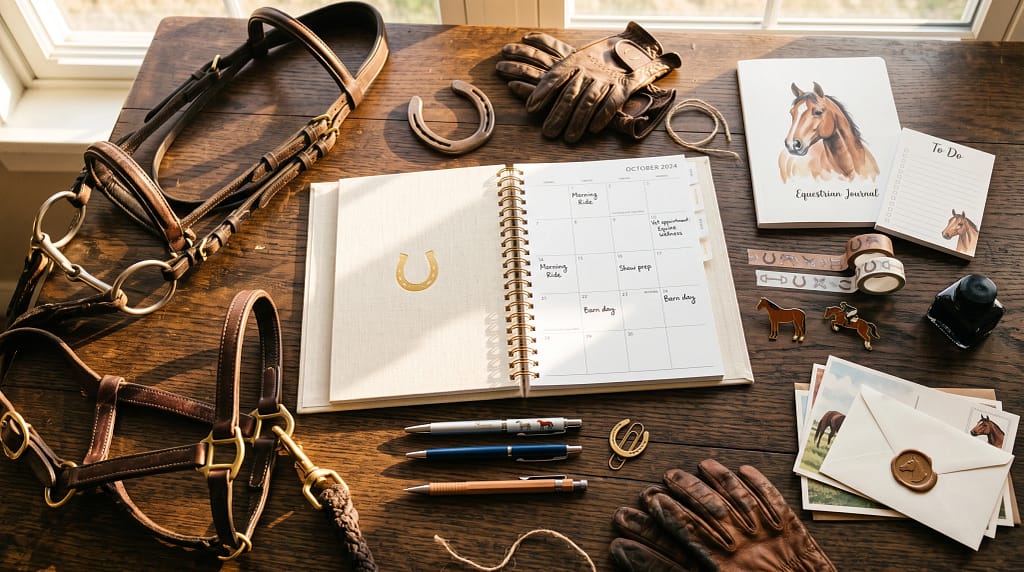
Next comes one of my favorite steps: laying your ideas onto a calendar. You don’t need anything extra fancy; a digital calendar, spreadsheet, or a printed planner works great. Assign each idea to a specific date or week so your plan takes shape.
How to Structure a Simple Editorial Calendar:
- Pick a theme for each week. For example, kick off the month with rider fitness, move on to gear reviews, and so on to keep readers engaged.
- Add important horse holidays or major industry events (like championship shows or awareness weeks) so you can create timely posts.
- Work in seasonal topics or local events, like summer cooling hacks or tips for winter hoof care, to keep your content resonating year-round.
The aim is to fill in each week you plan to publish, but stay flexible so real life or new inspiration can slide in if needed.
Step 4: Break Topics into Outlines and Assign Tasks
Once you’ve set topics on your calendar, break each one into a rough outline to make the writing process feel much lighter. I like to quickly list key subtopics, questions I want to answer, or any research to gather. This helps me avoid staring at a blinking cursor and actually gets the writing started.
Outline Checklist:
- Catchy headline and intro idea
- Core tips and the main message
- Images needed (think: horse photos, barn organization shots, infographics, or even quick sketches)
- External links to cite for health advice, products, or news sources
- Internal links to your older posts to step up SEO and offer more value
If you’re working with a team or have guest writers, this is a perfect time to assign tasks—writing, editing, photos, promotion, and more can all be organized here for maximum efficiency.
Step 5: Batch Write and Prep Content Ahead of Time
Batching is honestly a game-changer, and it’s helped me avoid the stress of “what do I write tonight?” I set aside a morning a week or month to draft two or three blog posts in one go, then edit and schedule them for upcoming dates.
Batch Writing Perks:
- Find your writing flow and finish more posts in less time.
- Editing and adding images is quicker when everything’s grouped together.
- You’ve got a cushion if something unexpected comes up and you’re short on time.
Scheduling posts even one or two weeks in advance can make blogging feel relaxed and much more enjoyable. Plus, it frees you up to take part in last-minute barn events or horse adventures that might pop up.
Step 6: Set Up Reminders and Track Your Progress
Staying on schedule is way easier if you set up tools and reminders. Recurring tasks on my phone or in my calendar app make sure I always know what’s coming up. Using a physical habit tracker or a basic spreadsheet is also surprisingly motivating—there’s something so rewarding about checking off each post as it goes live.
Tools That Help Me Stay Consistent:
- Google Calendar with color-coded blog post events
- Trello or Asana boards for planning and tracking (from outlining to publishing)
- Simple wall calendar or whiteboard in your barn office or workspace
Seeing your progress laid out helps you spot patterns, like noticing when you tend to fall behind or when certain months are extra productive. It gives you a sense of control and accomplishment.
Step 7: Audit, Adjust, and Keep Improving Your Strategy
Every couple of months, I dig into my content calendar and stats to see what’s really resonating. Some posts get a lot of comments, or I notice traffic drops around certain times. I take those observations and use them to tweak my approach for the next season, mixing in fresh ideas or scaling back when life gets hectic.
Questions to Ask During a Content Audit:
- Which posts draw the most traffic or engagement?
- Are some topics getting repeated too often or not enough?
- Is your posting frequency realistic, or do you need to shift it up or pull back?
- Are there gaps where you could add interviews, product reviews, or personal stories?
Fine-tuning your approach is what keeps your blog fresh and prevents burnout down the road. Growth happens when you’re open to tweaking your strategy often.
Quick FAQ & Troubleshooting
What if I run out of equine blog post ideas?
Seasonal content, reader Q&As, and product reviews are themes you can return to regularly. Joining new equestrian Facebook groups, following horse podcasts, or attending events will often spark new topics and inspiration.
How do I deal with writer’s block?
- Mix up your writing spot—sometimes just a new view (maybe sitting by the barn) helps a ton.
- Try dictating your draft into your phone instead of typing.
- Start with a super simple outline—headline and three quick bullet points. Fill in the rest when your mind loosens up.
How far ahead should I schedule?
Aim to keep at least a two-week buffer if you can. If you’re able to draft a full month during show season or other busy times, that’s a big help.
Your Simple Equine Blog Content Calendar Checklist
- Pick a posting frequency and main topics that motivate you and fit your lifestyle.
- Build an idea bank and keep adding to it each week.
- Lay out a calendar with monthly themes and special dates.
- Outline each post, including image needs and research tasks.
- Batch write, edit, and schedule posts ahead of time.
- Set reminders and use tools to keep posts on track.
- Audit regularly and adapt based on what you learn.
With the right calendar and a few smart habits, keeping your equine blog consistent is a lot easier—and actually enjoyable. If you have your own scheduling tip or favorite tool for equine content, drop it in the comments and help out other horse bloggers, too!
Build Your Online Business
and Learn Affiliate Marketing
See you there!
Our Unique Value Propositions
Discover why Chwals GPT is the top choice for equestrians looking
to build their online presence (register for free)
Tailored Equestrian Expertise – Community Connection – Intuitive User Experience