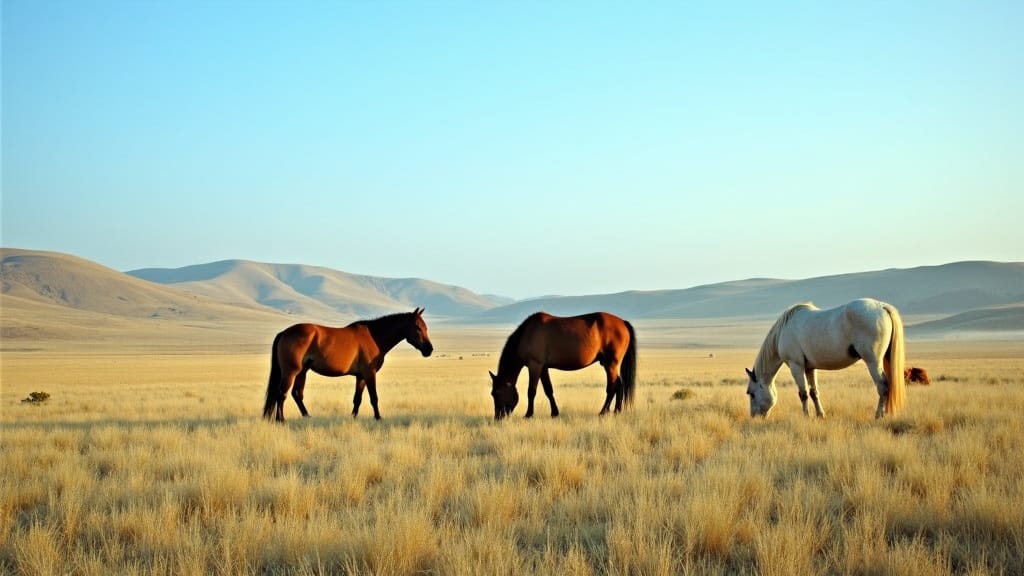
Prepare Your Horse For Competitive Show Jumping
Preparing a horse for competitive show jumping takes patience, skill, and careful planning. Anyone who’s watched a professional show jumping round knows it’s as much about preparation behind the scenes as what happens in the arena. Horses don’t become confident jumpers overnight, and there’s more going on behind the ribbons than just leaping over fences.
Through my experience working with various jumpers at different levels, I’ve found some key steps that help set both horse and rider up for a great season. These steps cover everything from building trust, fitness, and technique, to dialing in the right equipment and setting your horse up for success at the showgrounds. Whether you’re aiming for your very first class or hoping to move up the levels this year, these tips will help you feel more prepared every time you step into the ring. Show jumping is an ongoing adventure, and every detail counts when you’re working toward a goal.
Step 1: Build a Strong Foundation
Before even thinking about fancy courses or big jumps, it’s very important to make sure your horse has a solid foundation. A horse that understands basic flatwork and is responsive to aids will have an easier time learning how to jump confidently. Spending focused time on these basics sets up everything that comes after. Flatwork is all about harmony and clear communication, which translates directly into jumping.
Key things to work on:
- Consistent rhythm at all gaits
- Basic bending and straightness in flatwork
- Smooth transitions (walktrot, trotcanter, etc.)
- Listening to halfhalts and turning aids
I always start with flatwork in every ride. Even if you only have a short window to ride, five or ten minutes refining rhythm and connection can go a long way toward building trust and communication between you and your horse. Riders who keep a focus on foundation skills often stumble upon smoother progress later on.
Step 2: Develop Fitness and Strength
Jumping takes a lot of stamina and strength, so your horse’s fitness really matters. A consistent exercise routine that includes hill work, poles on the ground, and transitions helps build muscle and keeps your horse feeling fresh for every class. Horses, like athletes, benefit from a training plan that builds up intensity in a sensible, safe way.
Fitness plan basics:
- Mix up arena work with hacking and trail rides
- Add hills and varied terrain for musclebuilding
- Use pole work to increase agility and foot placement
- Include rest and easy days to avoid burnout
Too much hard work too soon can bring on injury or sour your horse’s attitude. I like to track workouts in a calendar or app, which helps me catch any patterns if my horse starts acting tired or stiff. Keeping a record also helps plan cross training days.
Including days with trail riding or turnout helps the horse relax and enjoy downtime, which is key to longterm wellness. Fitness isn’t just about young or green horses—top competitors stay fit and sound through yearround routines that balance exertion and recovery. Even short sessions count toward keeping your horse fit and happy.
Step 3: Introduce Fences Gradually
Rushing into big jumps is the fastest way to shake your horse’s confidence. Start with ground poles and small crossrails, focusing on a relaxed approach and a quiet canter rhythm. The early goal is relaxation and straightness, not size or spectacle. Horses learn best when they feel safe and unhurried.
Tips for introducing jumps:
- Begin with poles and work up to low crossrails
- Mix in cavaletti and small grids for variety
- Reward calm, straight approaches more than height
- Take breaks if your horse gets tense or confused
Even as your horse advances, it’s useful to revisit basics every week. I’ve seen even experienced show jumpers benefit from pole work to fine tune their pace and focus. Mixing in simple exercises helps keep the horse from anticipating or getting too excited about jumping. Small, positive steps make for big progress over time.
If your horse has an ‘off’ day, don’t hesitate to back up a step and regain trust and relaxation. There are no shortcuts in developing a willing jumper, and every minute you spend building your horse’s confidence pays off on show day.
Step 4: Dial In Technique and Adjustability
Jumping is about much more than clearing the fence. Form and adjustability matter just as much as scope. Gymnastics lines (a series of jumps set a specific number of strides apart) help develop this. Practicing stridelength changes and adjustability is essential for courses that require quick thinking and precision. You’re teaching your horse to be athletic and focused, not just brave.
Exercises for improvement:
- Gymnastics (bounce series, onestrides, twostrides)
- Practice adjusting stride length between poles or small jumps
- Bending lines for steering and balance
- Courses with related lines to practice turning and pace
If you have a coach, it’s worth asking them to set trickier lines to mimic what you’ll see in the show ring. I’ve found that practicing these patterns at home reduces stress on competition day. Learning to adjust stride quickly and accurately gives you a serious edge under pressure.
Frequent gymnastic work also minimizes wear and tear—small jumps with more technicality save legs while building skills. Focus on quality, not quantity. Instilling adjustability prepares horse and rider for a variety of course designers and environments, making you more versatile in any class.
Step 5: Check Health and Nutrition
Your show jumper needs to be in great health to perform. Regular checkups, dental care, and a diet tailored to your horse’s workload help keep your partner strong and sound. Good health underpins all training efforts, and even a small ache can throw off a jumper’s willingness and performance.
Points to consider:
- Work with an equine vet to schedule checkups and vaccinations
- Check hooves frequently; good farrier care is super important for jumpers
- Monitor your horse’s weight and adjust feed as needed
- Make sure water is fresh and always available, especially during travel or hot weather
If your horse starts acting off or loses enthusiasm for training, I always rule out pain or discomfort before changing up training or gear. For traveling show jumpers, a simple health routine before and after competitions can make a difference.
Also, supplements may be useful for some horses, but they should be selected based on veterinary advice. Alongside nutrition, proper cool downs and attention after exercise help prevent soreness that could turn into bigger issues. Check legs often for swelling or heat just in case.
Step 6: Get Your Equipment Right
Having the correct tack and gear can give your horse confidence. Saddles that fit poorly or uncomfortable bits can turn a willing jumper into a nervous one. It’s also worth reviewing your equipment periodically, since horses’ bodies and preferences change over time. The right equipment both keeps your horse comfortable and helps you communicate better in the ring.
Equipment checklist:
- Check saddle fit with a professional regularly
- Use boots or wraps when schooling to protect legs
- Choose a bit your horse goes well in (don’t just copy what’s popular)
- Pack all tack and grooming supplies for show day in advance
Sometimes, a small adjustment like a new girth or better padding can really improve your horse’s comfort and focus. Upgrade or clean your gear before each season. Never underestimate the difference a wellfitted halter or boots can make when your horse is nervous or distracted.
Also, making a habit of regular cleaning helps you catch wear and tear early—reducing the risk of tack failure at a crucial moment. Finding what works best for your horse takes observation and little tweaks over the season.
Step 7: Prepare for Show Day
Going to a show is about more than just jumping fences. Competition venues are busy and full of distractions, so it’s smart to expose your horse to new settings before the big day. If possible, rehearse with show simulations so you and your horse can practice entering the arena, waiting, and staying focused in a busy environment.
Tips for a smooth show experience:
- Take your horse on trips to ride at other barns or clinics
- Pack gear, paperwork, and snacks the night before
- Arrive early to allow your horse time to settle in
- Walk the course and plan your approach for each jump
Bringing a familiar friend, either an equine buddy or a trusted human, can help your horse feel more relaxed in a new environment. Always allow for unexpected delays on show mornings. Some riders bring a favorite treat or toy to help their horse relax. If the venue allows, handwalk your horse around before riding to let them get used to new sights and smells.
Common Questions & Troubleshooting
What if my horse refuses jumps at shows?
This is pretty normal, especially for younger or inexperienced horses. Go back a step and rebuild trust with simple exercises. Sometimes nerves or an unfamiliar setting are the cause, so keeping warmup calm and focused can help. Make things as low pressure as possible until your horse feels safe and eager again.
How do I handle nerves at competitions?
- Practice visualization and breathing exercises
- Walk the course until you feel calm
- Give yourself extra time so nothing feels rushed
It can help to check in with supportive friends or trainers, or try some gentle stretching before you ride. Remember that nerves are a sign you care—channel them into focus and connection with your horse.
My horse is great at home but tense at shows. Any ideas?
Lots of horses act differently away from home; sometimes new sights and sounds are overwhelming. Gradually exposing your horse to different places and working on relaxation exercises can help. The more often you set up new situations in a positive way, the more confident both you and your horse become when it’s showtime.
Next Steps For Show Jumping Success
Proper preparation makes show jumping so much more fun for both you and your horse. By focusing on the basics, steadily increasing fitness, and supporting your horse’s wellbeing, you build a partnership that can handle anything in the arena. Every horse and rider faces bumps along the way, so patience and small wins really matter. Developing your own system and charting progress, even during tough weeks, will keep you feeling grounded throughout the season.
Your Jump-Off Checklist:
- Practice solid flatwork at every ride
- Include gymnastic exercises weekly for technique
- Check all tack for fit and comfort before every show
- Expose your horse to new places or situations when possible
Which part of preparing for competition do you want to improve most this season? Share your experiences and tips below. I love hearing what’s working for others! If you’re just getting started, remember that every champion was once a beginner—each wellplanned ride takes you one step closer to your goals in the ring. Good luck and happy jumping!
Shop Tip
Understanding horses on Amazon
Happy riding! 🐎
Build Your Online Business
and Learn Affiliate Marketing
See you there!
Our Unique Value Propositions
Discover why Chwals GPT is the top choice for equestrians looking
to build their online presence (register for free)
Tailored Equestrian Expertise – Community Connection – Intuitive User Experience