Role And Impact Of Horses In Ancient Civilizations
Horses have had a major influence on the development of ancient civilizations. As someone fascinated by how early cultures grew and connected, I find it inspiring to look at what horses made possible. Whether in agriculture, warfare, or trade, their contributions were immense. From the grasslands of Eurasia to the deserts of Egypt and the cities of Mesopotamia, horses changed how people lived and worked. In this article, I share how horses shaped ancient societies and the ways their impact can still be felt today.
The Introduction of Horses Into Ancient Societies
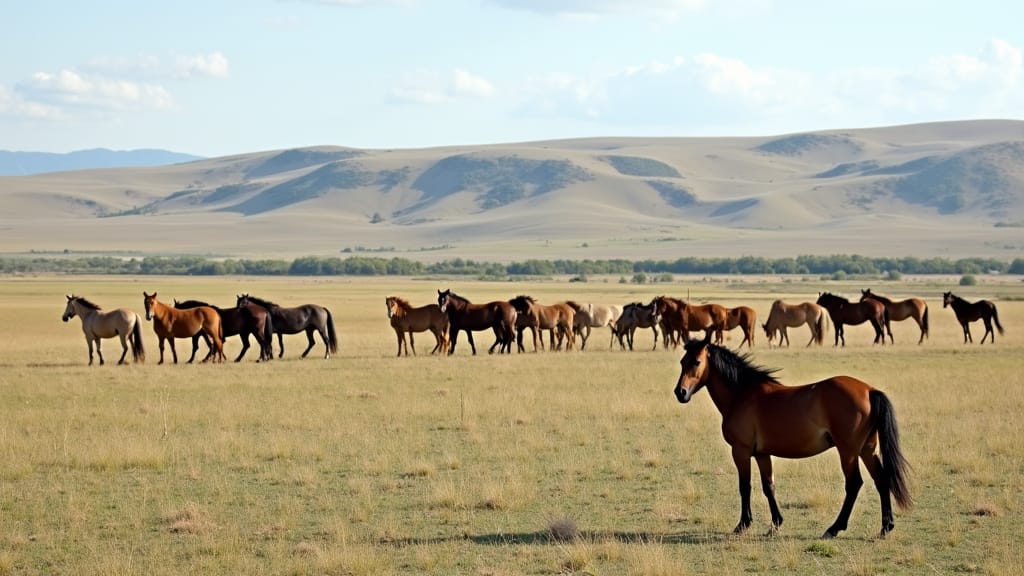
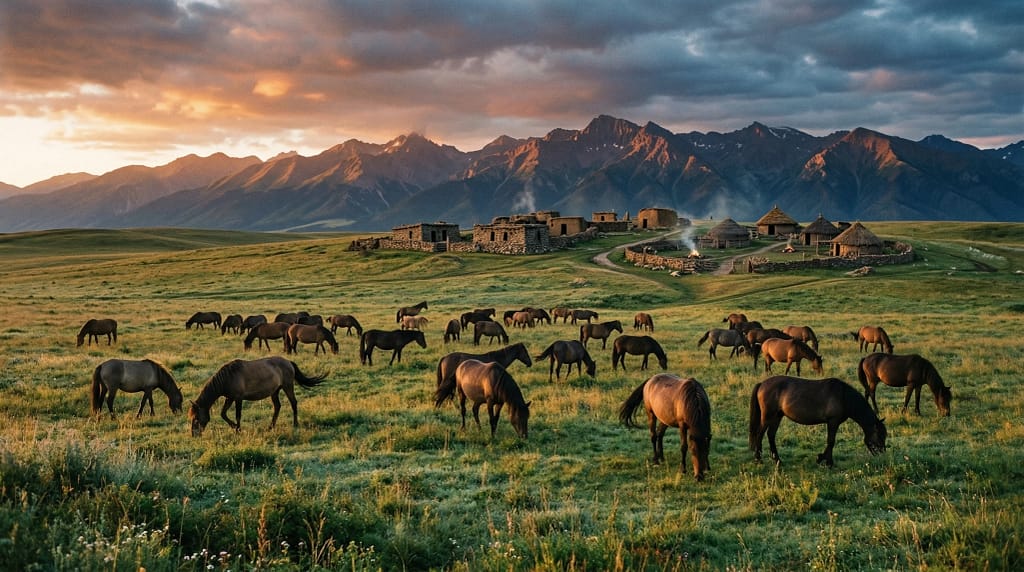
Archaeologists have found that horses were first domesticated around 4,000 BCE on the steppes of what is now Ukraine, southwest Russia, and Kazakhstan. The Botai culture is often credited as one of the earliest to domesticate horses, using them not just for meat and milk but eventually for transportation and work. This process took generations, but by the Bronze Age, horses had spread across many civilizations in Asia, Europe, and the Middle East, enabling new ways to travel and interact.
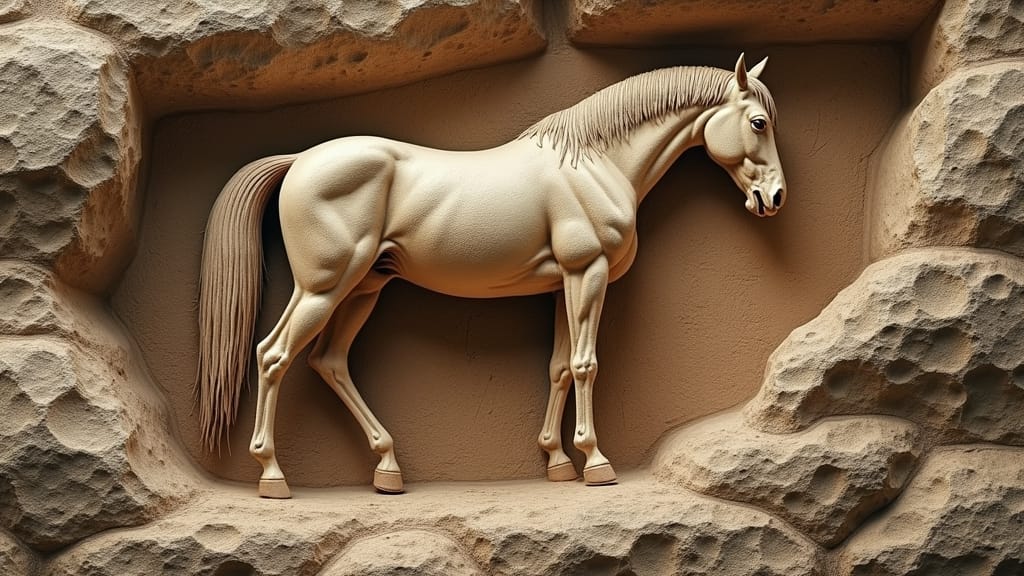
Horses soon became associated with prosperity, speed, and power. Ancient paintings and carvings show rulers riding horses or driving elaborate chariots. They were seen as a symbol of high status and success in many societies, demonstrating how much value was placed on these animals. As domesticated horses moved into new regions, they brought about changes in travel, communication, and the ways societies defended themselves or reached out to others.
Key Roles Horses Played in Ancient Civilizations
Horses made a big difference in several aspects of daily life and how civilizations grew. Their strength, speed, and endurance meant people could travel farther, move goods more efficiently, and achieve more from their land. I keep coming back to three main areas where horses left the biggest mark: warfare, agriculture, and trade.
- Warfare: Horses gave armies dramatic advantages in speed and mobility, letting them win battles and conquer new lands.
- Agriculture: Horses replaced slower, less efficient animals like oxen, making plowing and farming more productive.
- Trade and Communication: Horses helped people cover large distances more quickly, opening new routes for trade and the spread of ideas.
Horses in Ancient Warfare
When horses arrived, warfare changed forever. Armies could now move quickly, launch surprise attacks, and retreat if needed. In places like Mesopotamia, Egypt, and later among the nomadic tribes of Central Asia, horses became essential in building and defending empires. The development of the chariot, a lightweight two-wheeled vehicle pulled by horses, was a real game changer.
The Hittites and Egyptians were among the earliest to use horsedrawn chariots in organized warfare. Chariot units often became elite military divisions, giving armies a new way to dominate flat, open terrain. Later empires, like the Persians and Chinese, improved chariot design and horsemanship. The Assyrians, for example, built powerful cavalry forces, trading chariots for heavily armed horsemen who could break enemy lines.
In the steppe regions, horse-riding nomads like the Scythians and later the Mongols created entire cultures around the horse. Their ability to fight from horseback gave them a reputation as fierce warriors and enabled them to travel enormous distances, raiding deep into settled kingdoms. Horseback warriors, skilled in archery and tactics, often had the upper hand against foot soldiers, influencing how battles were fought for centuries.
How Horses Transformed Agriculture
Horses weren’t just tools for war; they also helped people get better harvests and produce more food. Before horses, most farmers relied on oxen to plow fields and pull carts, which was much slower. Horses proved to be much more efficient in many cases. They moved faster and could work longer hours. This let farmers cultivate larger plots and bring in bigger harvests.
In ancient China, the invention of the horse collar let horses pull heavier loads without injury. The Sumerians and others developed strong, simple harnesses that improved control over these animals. These innovations made horses even more helpful on the farm, fueling population growth and supporting the rise of large cities.
Some societies, like the Celtic peoples in Europe, also used horses to help with herding other livestock and clearing forests for farmland. Horses weren’t the only working animals, but the extra strength and speed they provided gave certain civilizations a clear advantage. With horses, agricultural societies could support more people, diversify their crops, and even support new technologies, making them central to the success of early economies.
Impact on Trade, Transport, and Communication
Long-distance travel is where I see horses making a lasting impact on how people connected with each other. The horse allowed traders and officials to cover massive distances in a fraction of the time it took to walk or use donkeys. Ancient Persians developed the Royal Road, a nearly 1,700-mile route from Susa to Sardis, with fresh horses stationed every 15 miles. Some call this the world’s first postal service since messages and goods moved far quicker than before.
The Silk Road, which linked China to the West, depended heavily on horses for moving goods like silk, spices, and precious metals. Caravans would rely on horses to cross harsh terrain and deal with dangers like bandits or extreme weather. In Europe, Roman messengers known as “cursus publicus” used horses to send news and official documents quickly across the empire, knitting the vast territory together.
Horses also let cultures interact more. Not only did goods spread, but so did technology, language, and religion. Horses carried diplomats, traveling artisans, religious leaders, and even musicians from place to place, making ancient life much more connected than it would have been if horses hadn’t been part of the picture. In a way, horses jumpstarted global communication, allowing civilizations to learn from one another and share ideas.
Horses in Daily Life and Culture
Besides their practical uses, horses came to hold a special place in mythology, religion, and daily rituals in many ancient cultures. In Greece, horses were dedicated to gods like Poseidon, and often appeared in art, poetry, and public events like the Olympic Games. In Persia, the white horse was a sacred animal, said to be pure and kept for royal ceremonies. Celtic culture honored the horse goddess Epona, protector of horses and riders, and built shrines across Western Europe.
The Egyptians famously bred and traded horses for their royal stables, with many pharaohs taking pride in their personal teams and racing chariots. Horses appeared in religious ceremonies, funerals, and as offerings to the gods. These traditions show how much horses were woven into daily life, not just as farm or war animals, but as companions and symbols of strength and spirit.
Ancient art and literature are filled with references to horses, from epic poetry to everyday items decorated with images of these animals. Festivals and competitions often featured horse races, showing off skill, speed, and the deep bond between people and horses—a relationship that shaped identity and pride in many civilizations.
Challenges and Limitations of Horse Use in the Ancient World
Horses really changed the ancient world, but their use came with many challenges. Caring for horses requires a lot of resources, especially food and fresh water. In dry or mountainous areas, people struggled to keep large herds healthy, so horses were sometimes a status symbol reserved for the wealthy and powerful.
Diseases and injuries were common and could wipe out entire populations of horses, making successful breeding and basic veterinary practices essential knowledge. Training horses for war or transport took patience and dedication, and even the best armies or farmers dealt with problems like difficult terrain, extreme weather, or enemies on the lookout for horses to steal.
Some societies did not adopt horses into their daily lives until much later, due to environmental limits, cultural practices, or simply not needing them. Where horses could thrive, they gave people clear advantages; where they could not, people relied on other animals or technologies instead, showing just how varied the ancient world was.
Frequently Asked Questions About Horses in Ancient Civilizations
What was the earliest use of horses by humans?
The first domesticated horses were used for food and milk. Over time, people began riding them and using them for pulling carts and plows as transportation became more important.
How did horses impact ancient armies?
Horses gave armies speed, mobility, and extra power. Cavalry and chariot divisions became key to many famous conquests and served as the backbone of many military successes in history.
Which civilizations relied most on horses?
Societies like the Egyptians, Persians, Scythians, Mongols, and later Greeks and Romans all depended on horses for war, farming, trade, and communication. These cultures often developed advanced riding techniques and breeding methods.
Were horses only used by the wealthy?
Owning and caring for horses was expensive, so in many places they were closely tied to the elite. As breeding spread and horses became more common, farmers and traders also began to rely more on them for their work.
Did horses appear in ancient myths and religions?
Horses often show up in myths, religious stories, and rituals. Many cultures had sacred horses or horse gods, and horses played a part in festivals, artistic works, and special ceremonies.
Final Thoughts
Horses have shaped ancient civilizations in many important ways. Whether for warfare, agriculture, or connecting distant lands, horses opened up new possibilities that changed how entire societies worked and interacted. By studying the role of horses in ancient times, I stumble upon connections and innovations that still inspire modern life. The lasting bond between people and horses shines a light on just how much early civilizations owed to these powerful and graceful animals.
Shop tips
Horses in ancient roman culture on Amazon
Horses in Ancient Egypt on Amazon
Enjoy your equestrian journey! 🏇
Breeds of Horses and Their Characteristics on Amson
Build Your Online Business
and Learn Affiliate Marketing
See you there!
Our Unique Value Propositions
Discover why Chwals GPT is the top choice for equestrians looking
to build their online presence (register for free)
Tailored Equestrian Expertise – Community Connection – Intuitive User Experience