The Challenges Of Equestrian Photography In Different Seasons
Capturing the beauty of horses in action has always been something that motivates me to get outside with my camera, no matter the season. Equestrian photography is both challenging and inspiring, especially as the seasons bring their own set of unique hurdles. From the changing light in winter to unpredictable mud in spring, each time of year shapes the final photo in its own way. Here, I’m sharing my first-hand experience and practical advice for dealing with the challenges of equestrian photography across different seasons.
Toughest Challenges By Season
Every season brings its own obstacles and opportunities for equestrian photographers. I’ve spent entire days watching clouds, waiting for just the right light, and I’ve also had to deal with sudden downpours, muddy boots, or frozen hands. Here’s how I see the main challenges for each season, and some real examples of how I’ve learned to work around them.
Spring: Mud, Moisture, and Unpredictable Weather
The start of spring means longer days and new green growth. Along with this, though, comes a lot of mud and changing weather. Horses can look their best as their coats start to shed, but wet conditions often mean muddy legs and less vibrant scenes. Still, there’s a certain freshness to spring photos, showing horses playing or grazing near blossoming trees, which adds an extra layer of energy and color to images.
- Muddy Conditions: Wet ground makes it harder to get around for both photographer and horse. Keeping camera gear clean becomes a real issue. I always carry extra towels, waterproof covers, and sometimes even a tarp to sit or kneel on when the ground is soggy. Sometimes, I even scout out higher ground to avoid the worst puddles.
- Lighting: Cloudy skies can help soften harsh sunlight, which is great for shots that need gentle contrast. However, some days bring unexpected sun, sudden rain showers, or both. Keeping lens wipes handy and being ready to shoot quickly is a big help. Don’t forget, a rainbow after a shower can make for an eye-catching backdrop if you’re prepared to capture it.
- Shedding Season: Horses often look patchy as they lose their winter coats. I find it helps to photograph from angles that hide rough patches or focus more on action to distract from uneven coats. Sometimes, I’ll work with a brush right before a session to tidy up those loose hairs, which gives the coat a cleaner look for close ups.
Summer: Dust, Heat, and Bright Sunlight
Summer is when most shows and clinics take place. Events bring plenty of photo opportunities but also challenges with dust, heat, and intense sunlight. It’s a lively season, bursting with motion – perfect for snapping jumping, galloping, and the excitement of competitions.
- Harsh Sunlight: The brightest midday sun causes hard shadows and squinty eyes. Shooting during early morning or late afternoon often results in much softer, richer images. If I have to shoot during the day, I try to position myself so the sun is slightly behind the horse for better backlighting. During midday, finding a patch of open shade—like beside a tree line—can help avoid the harshest light.
- Dust: Especially at dry arenas, dust kicked up by hooves can settle on lenses and camera bodies. I always pack a blower brush, lens cloths, and consider using a UV filter as added protection. If possible, I position myself upwind to avoid getting caught in a dust plume.
- Heat: Both horses and photographers tire faster in the heat. I drink lots of water, wear a hat and sunscreen, and give horses time to rest. Hot days can bring out strong highlights on shiny coats, so I adjust my camera’s exposure compensation to keep details intact.
Autumn: Colorful Backgrounds and Changing Light
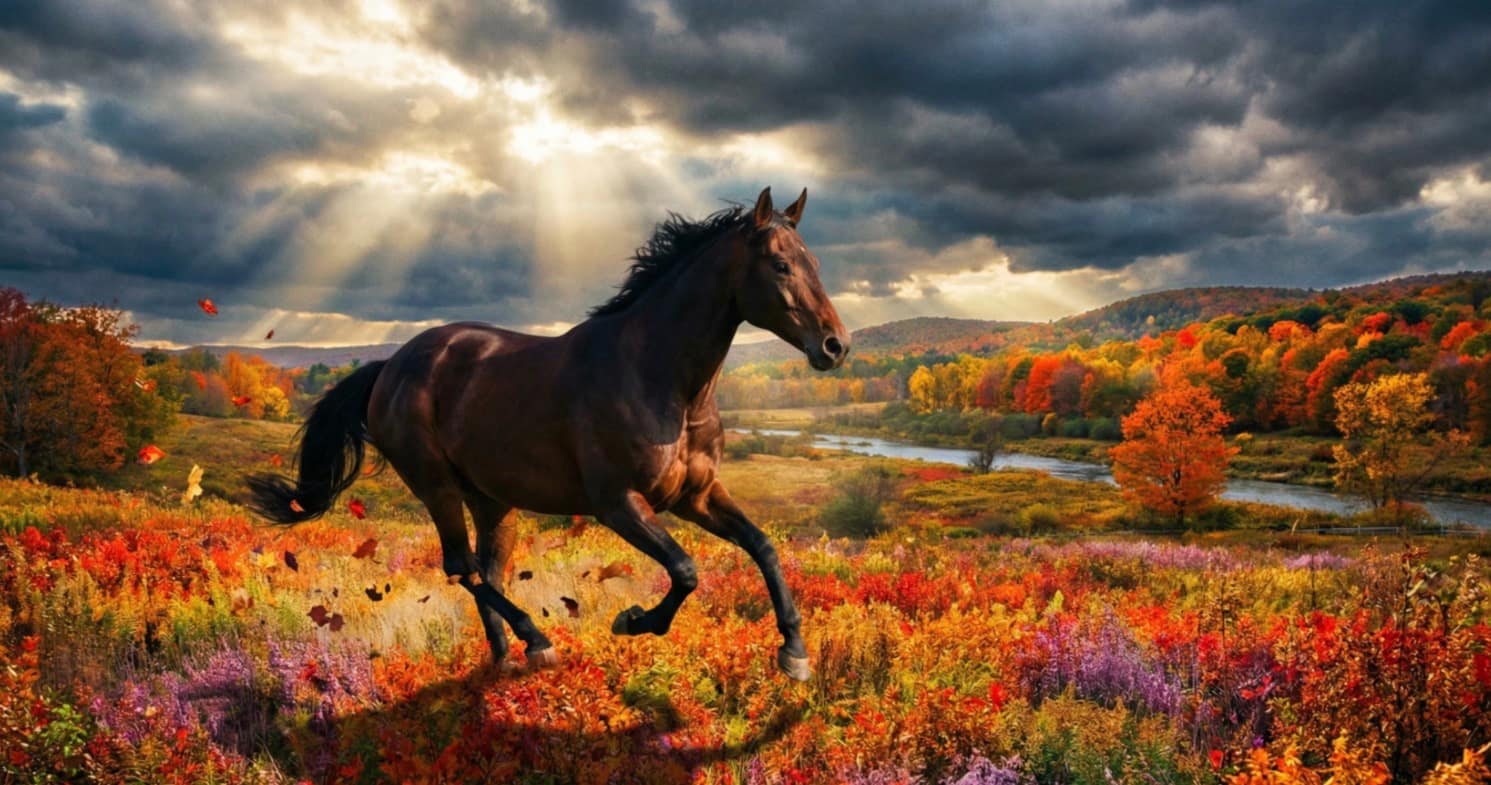
Autumn landscapes provide some of the most stunning backdrops for equestrian photography. Rich reds, oranges, and golds create natural frames for action, but the season’s shorter days and unpredictable weather introduce their own challenges. Beyond that, early morning mist or rays through foliage can be used to make photos really stand out during fall rides or training sessions.
- Changing Light: Light quality changes rapidly in autumn. Overcast mornings can turn into golden afternoons. I rely on manual settings and pay close attention to white balance so colors look natural; I also carry a reflector for fill light on darker days. If a bright spot lights up the background, I sometimes move to capture that natural glow behind the horse.
- Slippery Surfaces: Early frosts and fallen leaves can make fields slick. I find it’s important to pick safe, surefooted routes for both horses and myself, and I regularly check the footing before asking riders to canter or jump. Relying on well-used trails can prevent injuries and preserve everyone’s energy for the perfect shot.
- Brighter Hues: The bold backgrounds can sometimes distract from the subject. I use a wider aperture to blur the background so the horse stands out more clearly in the photo. Selective focusing can help make your subject really pop against those dramatic fall colors.
Winter: Cold Temperatures, Low Light, and White Backgrounds
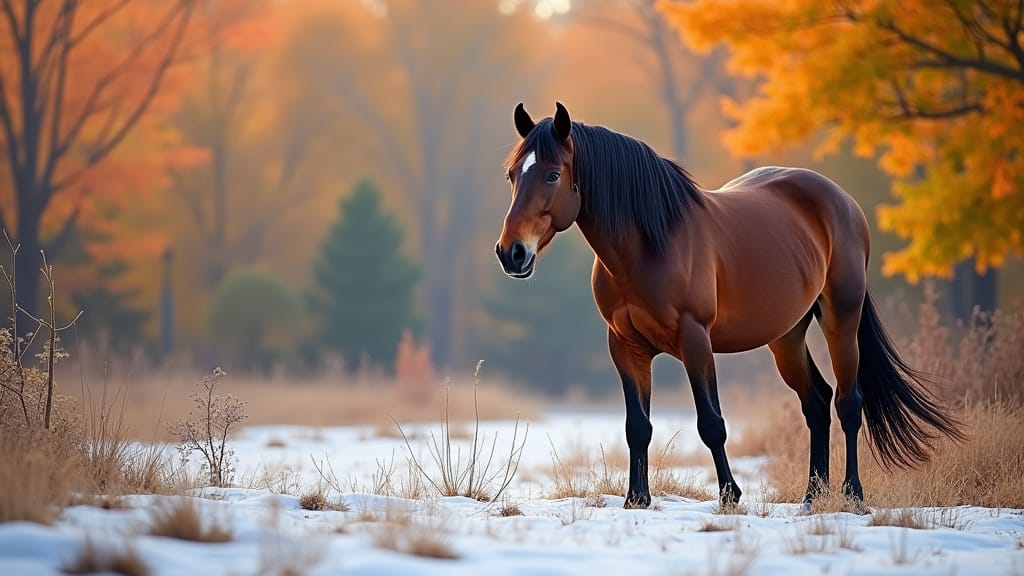
Winter brings quiet moments in the snow, misty breath, and a sense of calm that can make equestrian images feel magical. At the same time, cold hands, low light, and unpredictable weather make outdoor shoots much tougher. On crisp mornings, light reflecting off snow or frost gives images a peaceful, almost timeless quality.
- Cold: Batteries drain quickly in the cold and fingers get numb fast. I keep spare batteries in my warm pockets and wear thin gloves that let me adjust settings easily. Wearing layers makes it possible for me to stay out longer – having hand warmers in my pockets is always a lifesaver on especially cold days.
- Low Light: Winter days can be overcast, and natural light is often dim. I bump up my ISO and use faster lenses to avoid motion blur. A sturdy monopod helps steady shots without limiting my movement. Sometimes, using a portable LED light can help brighten up shadowy areas if I am shooting in the shade.
- Snow Glare and White Balance: Snowy backgrounds often fool a camera’s light meter, leading to underexposed images. I add about +1 exposure compensation and keep an eye on histogram readings so whites look true, not gray. I also manually set the white balance to stop images from turning too blue or gray in the cold light.
Gear And Preparation For YearRound Shooting
Having the right gear makes a real difference in how smoothly a shoot goes, no matter the season. Over time, I’ve put together a checklist that keeps my photography on track, even when weather changes quickly. I always carry extra memory cards and a basic cleaning kit, so if a splash of mud or snow hits my lens, I can clear it up without missing key moments.
- Weather Protection: Rain covers, waterproof boots, and extra towels are standard in my bag in muddy or wet conditions. For soggy or rainy shots, a simple plastic bag with a hole for the lens in a pinch can save a camera from water damage.
- Lens Care: Brushes, cloths, and filters help handle dust, dirt, and moisture. I check my lenses before and after each outing to spot scratches or condensation before they become real problems.
- Clothing: Being comfortable outdoors for several hours means layering clothes in the winter and sun protection in the summer. Breathable, quickdry fabrics help for active shoots, while insulated boots are a big help when waiting in the snow.
- Backup Power: Extra batteries kept warm in pockets during cold months, plus a portable charger for emergencies, make sure I don’t miss any action. If you shoot on cloudy days, your camera may need an extra battery sooner than you expect.
I also plan ahead by checking weather forecasts before heading out. If I’m photographing at a new location or with new riders, I scout out the setting early to look for the best light and safest paths. Noting times of sunrise and sunset helps me make the most of the best light, especially in fall and winter when days are shorter.
Advanced Tips and Tricks For Seasonal Success
Beyond the basics, some practical tricks I use help turn tricky seasonal conditions into creative opportunities.
Understanding Horse Behavior: Knowing when horses feel fresh, tired, or restless based on the weather helps me anticipate action shots. On windy days, horses can get spooky, so I give them more space. Early morning is often when horses are most alert and energetic, making action shots livelier.
Playing With Light: Mist, fog, or late afternoon shadows can transform a simple scene into something special. In spring or autumn, I experiment with shooting toward the sun for a soft, dreamy background. When possible, I also shoot just after rain for reflections in puddles or glistening coats, giving photos a nextlevel cool effect.
Using Burst Mode: For cantering or jumping shots, I shoot several images in quick succession. This helps me catch the peak of the action, even if horses are moving fast or footing is slippery. Burst mode is also helpful in unpredictable moments, such as a sudden change in direction or a playful kick from a young foal.
Editing: I adjust contrast and clarity in editing software to bring out details lost to low light or flat skies. Careful use of color settings helps avoid unnatural tints, especially against snow or rich autumn leaves. Sometimes, light postprocessing is all it takes for a photo to shift from ordinary to eye-catching, especially when color grading enhances the mood of a particular season.
What Equipment Works Best For Equestrian Photography?
Reliable equipment is really important for equestrian photography since conditions can change so quickly outdoors. Here’s my goto kit for the best chances of catching sharp, vivid photos, no matter what season I’m in.
- Fast Telephoto Lenses: I prefer lenses with wide apertures (like f/2.8 or f/4) for isolating the horse from the background and keeping up with action. Lenses in the 70-200mm range make it easy to frame both wide action shots and tight portraits without moving around too much.
- Weather Sealed Camera Body: Spilled water, dust, or rain are common at any event. A weathersealed camera offers protection without needing to worry too much. Even with weather protection, I always wipe down my camera as soon as possible after coming inside to head off any issues before they start.
- Monopod: This tool keeps shots steady, especially when my arms get tired during long shoots or when working in low light. Unlike a tripod, a monopod is easy to move, making it perfect for photographing active horses or moving quickly between spots.
- Reflector or Portable Flash: These fill in shadows and keep colors natural, especially on cloudy days or late in the afternoon. A small foldable reflector fits easily in most bags and is quick to set up, while a portable flash gives a boost to twilight or shaded scenes.
Investing in quality basics and staying organized keeps my focus on the horses and the story I’m trying to tell, not on technical problems. Keeping gear light and ready means I’m always set for that unexpected, nextlevel cool photo that comes from a fleeting moment.
Frequently Asked Questions
Question: What’s the best season for photographing horses?
Answer: There’s no single best season since each one offers something different. Spring and fall bring beautiful backgrounds, summer is great for action at shows, and winter adds a peaceful, magical touch when it snows. I find the real key is adapting technique to whatever the weather brings, and being open to unexpected moments no matter the time of year.
Question: How do I keep my gear safe in bad weather?
Answer: Using rain covers, waterproof bags, and regular checks to dry off lenses keeps my gear working longer. I also pack silica gel packets to manage moisture in my camera bag. In extreme conditions, I sometimes pack my gear in a dry bag and only pull it out during lulls in the weather, which helps keep everything safe and ready to use.
Question: Are there any camera settings that work in every season?
Answer: While it’s hard to use one setup all year, using faster shutter speeds helps freeze action, and keeping an eye on exposure compensation ensures scenes with snow or bright sunlight turn out well. Manually setting ISO and white balance brings more control as the light changes through the day. Practicing with different settings ahead of time helps you react quickly when the perfect shot appears.
Find The Fun In Every Season
Every season brings its own flavor to equestrian photography, not just new challenges, but also creative ideas and opportunities. Whether I’m braving the mud in spring or searching for the golden glow in autumn, the most rewarding images almost always come from adapting to the season, thinking ahead, and being willing to try something new. Packing the right gear and knowing how to adjust for each challenge helps me enjoy every shoot, no matter what nature brings. Next time you’re outside with your camera, check out what’s unique about the season you’re in—you just might stumble upon your favorite horse photo yet.
Action cameras for horse riders on Amazon
Enjoy your equestrian journey! 🏇
Build Your Online Business
and Learn Affiliate Marketing
See you there!
Our Unique Value Propositions
Discover why Chwals GPT is the top choice for equestrians looking
to build their online presence (register for free)
Tailored Equestrian Expertise – Community Connection – Intuitive User Experience