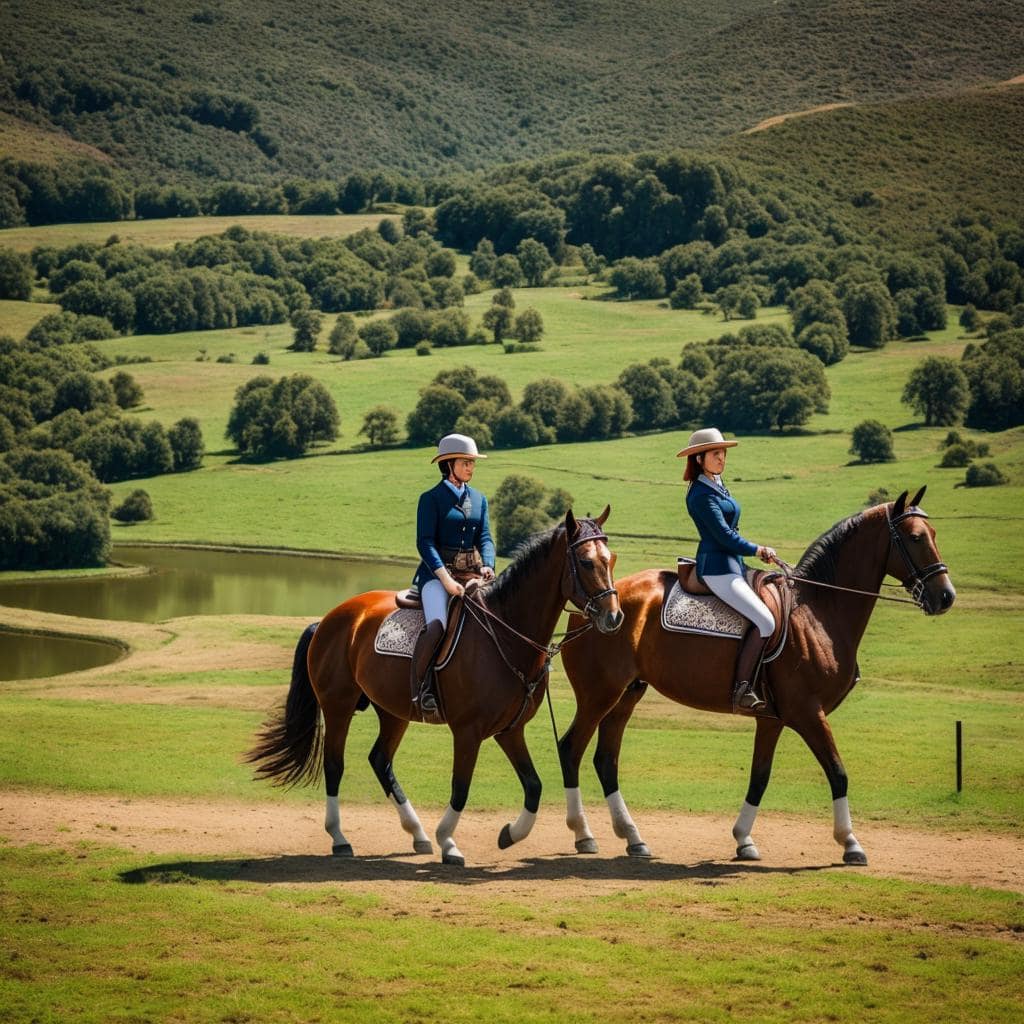
Trail Riding Safety Blog Planning Checklist For Equestrian Adventures
Trail riding is one of my favorite ways to connect with nature and unwind with my horse, but I always make time to plan for safety. Heading out on horseback, especially off the beaten path, isn’t something I do without a solid checklist. Planning isn’t just about packing the right snacks. It’s about making sure I’m set to handle the unexpected and keep both myself and my horse safe throughout the ride. Here’s my go-to blog planning checklist for trail riding safety, built from personal experience and plenty of research. Having these routines makes each ride more enjoyable and gives me peace of mind whether I’m on a solo trek or out with friends.
Trail Riding Safety Gear Basics
Before I even saddle up, I go through the basics of trail riding safety gear. Having the right equipment can make a huge difference if something goes sideways. Here’s what I always include:
- Helmet: A certified riding helmet isn’t optional for me, no matter how quiet the trail or steady my horse seems.
- Boots with Heels: I stick with sturdy, closed-toe footwear that has a small heel to help prevent my foot from sliding through the stirrup.
- Reflective or Bright Clothing: Keeping visible in low light or heavy dapple is super important, especially if I’ll cross roads or ride near busy areas.
- Horse’s Safety Gear: This includes breakaway halters, comfortable saddle pads, and boots or bell boots if my horse needs extra support.
Bringing along a small first aid kit for both myself and my horse always feels worth it. It doesn’t need to be huge, just enough to cover scratches, minor injuries, or irritations that can crop up out on the trail. I also check to make sure my saddle is comfy for long rides, adjust all straps for the right fit, and look over my horse’s feet, picking them out before heading out to avoid sore steps from hidden stones or debris.
Pre-Ride Planning? What to Check Before Leaving
I find that starting with a pre-ride checklist keeps me organized and less likely to forget the little stuff. Here’s what I look at before each trail ride:
- Weather Forecast: I check for any major changes in weather, paying close attention to extreme heat, cold, or storms. This helps prevent getting caught in something I’d rather avoid.
- Trail Maps and Markings: I pull up digital maps on my phone but usually print a paper version just in case the battery dies or I lose signal.
- Water Sources: Knowing where my horse can drink and when I’ll need to pack extra water keeps us both comfortable.
- Emergency Numbers: I keep important local contacts saved on my phone and written down. Ranger stations, local animal control, and a trusted horsey friend who can help if needed are top of the list.
Sharing my ride plan with someone back home is something I never skip. If I get delayed or take a wrong turn, they’ll know where I was headed and when I plan to return. It’s all about making sure there’s a safety net if anything happens. I sometimes send my live location for extra backup, especially if I’m heading somewhere new or spending extra hours away. Checking all your tack and even checking off this list with a quick walkaround can turn up any last-minute issues and help you avoid hassle later.
Trail Riding with Friends or Solo?
Riding with friends is both fun and reassuring, especially on unfamiliar trails. In a group, we can help each other spot hazards, open gates, or troubleshoot issues. When I do ride alone, I bump up my safety precautions:
- I always carry a fully charged phone, often with a portable charger for those longer rides.
- A GPS tracker or ride-sharing app that shares my live location gives me extra peace of mind.
- I leave a route plan with someone back home and stick to marked trails, keeping to well-traveled paths when possible.
Group riding has its own checklist—agreeing on the pace, setting stopping points, and using clear hand signals keeps everyone on the same page and makes for a smoother ride. We also plan ahead for regrouping at certain landmarks so nobody gets left behind. Sharing snacks or tools in the group cuts down on what each rider needs to carry and lightens the load for the horses.
Trail Hazards and How to Avoid Them
Trails can change every season, so I stay alert to hazards whether it’s my first time or my fiftieth on a certain path. Here are a few common obstacles I always keep in mind:
- Wildlife: Encounters can startle horses, so I make noise to avoid surprising animals and keep my horse focused if something darts across the trail.
- Overgrown Paths: I slow down in thick brush, watching for hidden holes, low branches, and thorny vines that could scratch or trip us up.
- Water Crossings: I only cross if I know the bottom is safe and not slippery. If it looks questionable, I turn back. No photo is worth a risky step.
- Loose Dogs or Cyclists: They often share public trails. A bell or calling out at blind corners helps avoid surprise encounters.
Practicing basic desensitization at home can help a horse handle surprises more calmly when we’re far from the barn. Stay patient and give the horse time to assess any new challenge. If possible, ride with a more experienced horse on tricky trails at first, so your horse can learn by example and feel more at ease out in the open.
Key Safety Tips for Every Trail Rider
I’ve picked up a few habits over the years that have made my trail rides safer and more enjoyable. Here are some I never skip:
- Warm Up First: Walking around for a few minutes before hitting the trail helps my horse loosen up and settle into a working mindset.
- Keep a Steady Pace: It’s tempting to gallop when the path opens up, but it’s safer to stick to a walk or controlled trot unless I’ve checked the footing.
- Stay on Marked Trails: Shortcuts look fun, but staying on marked paths protects both the trail and my horse’s legs from hidden dangers.
- Pack Snacks and Hydration: I carry lightweight snacks for myself and, if the ride is long, carrots or hay cubes for my horse. Hydration is important for both of us.
- Check Tack Regularly: Midway through the ride, I check cinches, straps, and buckles. Catching a problem early is way better than dealing with a broken stirrup miles from help.
Confidence on the trail doesn’t come overnight, but a strong routine goes a long way. Even seasoned riders benefit from regular reminders. Prepping your horse with a few minutes of groundwork before mounting can get you both alert and focused for what’s ahead. Keeping talking or humming also tells wildlife you’re near and can keep your horse relaxed.
What Belongs in a Trail Riding Safety Kit?
My trail riding safety kit changes a bit depending on the season and location, but there are a few things I keep packed year-round:
- Horse and Human First Aid: Wound cleaner, bandages, hoof pick, tweezers, and any daily medications.
- Multitool: Super handy for fixing tack, pulling out burrs, or making repairs on the go.
- Map and Compass: Even though GPS is great, oldschool backup tools are simple and reliable when tech fails.
- Spare Halter and Lead Rope: An unexpected break can turn into a big problem if there is nothing to lead my horse with.
- Portable Water: A collapsible bucket and a few water bottles help both of us stay hydrated.
- Bug Spray and Sunscreen: Comfort and safety go hand in hand with protection against bites and sunburn.
- Flashlight or Headlamp: Useful if the ride runs long or in low-light conditions.
Organizing this kit before every ride saves me stress on the trail, and it’s easy to tuck into saddlebags. If I’m out riding with friends, we split up the weight so no one horse is too burdened. In colder months, I toss in gloves and a lightweight jacket. In the summer, I pack extra ice packs and snacks that won’t melt.
Extra Tips For Making Sure Your Ride Goes Smoothly
I’ve learned that controlling what I can and being flexible with what I can’t makes for better trail rides. Here’s a few more tips that often come in handy:
- Trail Etiquette: Yield to hikers, bikers, and those going uphill. A polite hello and a heads-up that I’m passing is always appreciated, too.
- Know Your Horse’s Limits: Not every horse is ready for long or super technical trails. Building up conditioning over time helps avoid sore muscles or injuries.
- Learn Basic Navigation: If I get turned around, a compass or a simple navigation app makes it easier to stay found rather than get lost.
- Practice Calm Responses: Deep breathing and confident, steady cues help my horse feel safe if we encounter anything surprising.
Asking other riders for trail reviews and joining online forums has given me great insights that written maps never include, like where footing gets slick after rain or which areas have more bugs at certain times of year. If you’re new to an area, reach out to local equestrian groups for tips or buddy up for your first ride. They often know the hidden gems and help you avoid problem spots.
Frequently Asked Trail Riding Safety Questions
I hear the same questions a lot from new trail riders and those who haven’t hit the trails in a while. Here are a few quick answers:
Question: Is it safe to ride alone?
Answer: It can be safe with the right prep, like sharing your route, carrying a tracker, and sticking to familiar, marked trails.
Question: How do I help my horse handle spooky trail obstacles?
Answer: Spend time at home exposing your horse to similar sights and sounds. Calm reactions and positive reinforcement work well.
Question: What if I lose cell service and get lost?
Answer: Having a map, compass, and letting someone know your plan are really important. Backtracking to the last known marker and staying put makes rescue easier if you need help.
Final Thoughts for Safe and Happy Trail Riding
Trail riding comes with its share of unpredictability, but a bit of planning goes a long way toward a safe and fun experience. I’ve learned to trust my checklist, listen to my horse, and not rush. Stay prepared, share your plans, and don’t hesitate to ask for advice from local riders or online communities. Whether you’re riding new trails or visiting an old favorite, using a simple checklist like this one helps turn each trip into a relaxed and memorable adventure, for both you and your horse.
Shop Tips
Understanding horses on Amazon
Enjoy your equestrian journey! 🏇
Build Your Online Business
and Learn Affiliate Marketing
See you there!
Our Unique Value Propositions
Discover why Chwals GPT is the top choice for equestrians looking
to build their online presence (register for free)
Tailored Equestrian Expertise – Community Connection – Intuitive User Experience