Explore The World Of Endurance Riding Challenges
Endurance riding challenges offer a unique way to connect with horses, nature, and your own mental stamina. If you’ve ever been curious about traveling long distances on horseback, this style of equestrian sport can be incredibly rewarding. I’m going to take you through the basics of endurance riding, the gear you’ll need, what to expect during a competition, and share some personal advice to help anyone get started or take the next step in this adventure.
Endurance Riding? The Basics
Endurance riding is a timed long-distance competition where horse and rider teams cover distances often ranging from 25 to 100 miles in a single day. The goal isn’t just to finish fast but to complete the ride with a horse that is healthy and performing well. Endurance events take place across the globe, traversing environments like forests, deserts, and hills. Unlike other equestrian events focusing purely on speed or style, endurance riding places a heavy emphasis on planning, pacing, and horsemanship. Riders must make smart decisions throughout the course, thinking ahead to ensure both horse and rider finish strong.
The history of endurance riding traces back to cavalry challenges and military tests. Today, though, it’s a friendly and open community for all riders who love partnership with their horse and the thrill of testing their limits. People of all ages and backgrounds participate, which makes it a very inclusive sport. Clubs and organizations regularly host events where beginners learn directly from more experienced participants.
Beginner Essentials? What You Need to Get Started
Getting into endurance riding can feel a bit overwhelming at first, mostly because there’s a lot to learn about both horsemanship and dealing with unpredictable terrain. The key pieces of gear help support both horse and rider during hours on the trail. Here are the basics to keep in mind when starting:
- Horse Conditioning: An endurance horse must be fit and resilient. Conditioning your horse gradually for distance and terrain is very important. Start with shorter rides and increase the workload over weeks and months.
- Saddle and Tack Fit: Comfort, for both you and your horse, is a huge deal. Specialized endurance saddles are lightweight and made to distribute weight more evenly for long distances. Properly fitting tack cuts down on soreness and rubbing.
- Water and Nutrition: Staying hydrated is crucial for both you and your horse. Carry water bottles, electrolytes, and easy snacks for yourself. Your horse will need multiple opportunities to drink at water stops during the route.
- Protective Gear: Helmets are always a good idea for safety. You might want to pack half chaps, padded gloves, and lightweight sun protection clothing. Horses benefit from leg protection and sometimes lightweight blankets.
From my first entry into the sport, I realized how vital it is to break in your gear. Brand new boots and an untested saddle caused some pain. Testing your equipment on local trails in advance saves you a world of hurt later on.
Plan and Train for Endurance Challenges
A successful ride depends on building up both horse and rider, physically and mentally. Here’s how you can prepare for your first event and beyond:
- Assess Your Horse’s Fitness: Get a check-up from a vet before you jump into training. Start with short rides and slowly build up, with an eye on improved stamina and recovery times.
- Ride a Variety of Terrains: Changing up your trails, practicing on hills, rocks, and sandy paths, helps your horse get used to different conditions. It also helps you get comfortable with adjusting the horse’s pace as the landscape changes.
- Practice Pacing: If you go too fast at the start, both you and your horse will pay for it later. Watching for your horse’s breathing and attitude, and adjusting pace as needed, helps conserve energy.
- Simulate the Real Thing: Create practice rides that mirror real competition. Carry everything you’d use in an event, practice using all your gear, and take breaks as you would during the ride. Familiarity with routines builds confidence and steadies your nerves.
You’ll learn a lot from these test runs, especially how your horse recovers after different distances. Track its behavior, appetite, and energy levels at home to know what’s normal or when something feels off.
What Happens During an Endurance Ride?
When event day arrives, the atmosphere is buzzing with anticipation and nervous energy. Things start with a vet check to be sure your horse is ready to roll. You’ll encounter vet checkpoints—called “holds”—throughout the ride, where officials re-examine the horse’s condition. Riders often walk or jog their horses into the holds to help pulse and respiration normalize before the check.
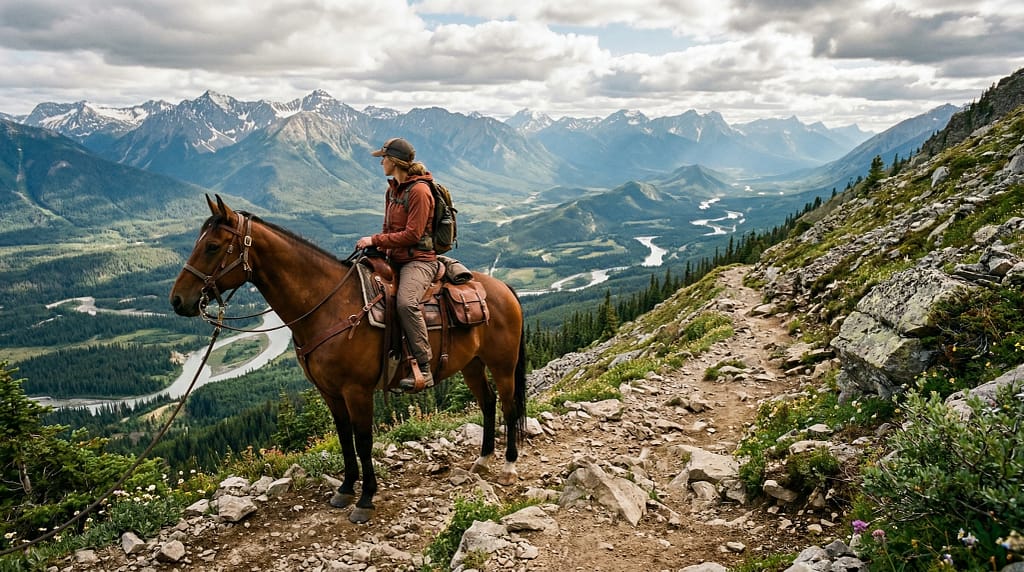
The route might weave through shaded woods, open prairies, or muddy meadows. Markers and signs lead the way, but it’s on you to stay alert. Some rides let you go off at your own pace; others have everyone leave together. Experienced riders emphasize listening to your horse and being ready to adjust your plan if something changes. Good strategy matters just as much as endurance or speed.
Making it to the finish line with a horse that is happy and alert is always a reward, regardless of your rank at the end.
Key Considerations and Common Challenges
- Weather Conditions: Temperature swings, wind, rain, or intense sun will take a toll on both of you. Dress in layers you can shed or add as needed. I pack rain gear, even when the weather seems perfect, because conditions can flip unexpectedly.
- Finding Your Way: Some rides offer detailed maps; others mark the trails directly. It’s possible to get turned around, so bring a compass or handheld GPS just in case. Your phone works well, but download offline maps in advance. Backup navigation tools are worth the peace of mind.
- Keeping Horse Fatigue at Bay: Watch for signs your horse is tiring: a change in their walk, drooping ears, or slower response to commands. Taking it easy and building in walking breaks help avoid injury and burnout. Good communication with your horse is the key.
- Looking After Yourself: Spending hours in the saddle can be tough physically. Stretch before starting and consider a gel or padded seat cover for your saddle. Remember, if you’re feeling beat up, your horse may be too. Take care of both of you, always.
Deal with Setbacks
No matter how careful your preparations, setbacks can and do happen. Horses lose shoes, tack can break, or trails might become confusing or blocked. I’ve had to stop early when weather turned dangerous or when I spotted a subtle lameness in my horse. Always putting the horse first has made every ride safer, and I’ve come away with lessons rather than regrets when we needed to call it a day.
Progress from Beginner to Advanced Rides
Once shorter rides feel comfortable, it’s tempting to move up to tougher events. Here’s what has worked for me as my skills and confidence grew:
- Increase your longest weekly distance gradually, usually by no more than 10-15% at a time.
- Experiment with different nutrition and hydration options until you know what suits you and your horse best for long rides.
- Join local clubs and participate in group rides. Conversations with seasoned endurance riders always turn up tricks and stories you won’t find in any book.
- If you’re planning to attempt overnight or multiday rides, get used to camping with your horse and managing recovery routines between ride days. This can be just as challenging and rewarding as the rides themselves.
As you advance, you’ll come to appreciate the community aspect even more—sharing rides, stories, and encouragement with fellow riders motivates you to keep improving and learning.
Endurance Horse Breeds and Rider Profiles
Many horse breeds do well in endurance riding, with Arabians being especially popular for their stamina, athletic build, and metabolism. Quarter Horses, Mustangs, and many crossbreeds are frequent sights on the trail too. The best endurance horse is one that’s sound, willing, and has a big heart—sometimes, the underdog can surprise everyone with determination!
Riders range from teens to retirees, all brought together by a shared passion for horses and adventure. The community is down-to-earth and welcoming, making it easy for newcomers to blend in. Some of my best memories are chatting with other riders at vet holds, swapping tips, snacks, or even a few laughs after a bumpy section. It truly is a sport for anyone who loves a challenge and cares for their horse’s well-being.
Frequently Asked Questions
Question: What’s the minimum age or experience level needed for endurance riding?
Answer: Most events offer separate divisions for juniors, adults, and first-timers. It helps to have some trail experience, but you don’t need to be an expert. Local clubs sometimes host training rides for total beginners.
Question: How do I find endurance riding events near me?
Answer: Connect with groups like the American Endurance Ride Conference (AERC), Endurance GB, or your country’s equestrian organization. Social media groups and local barn postings are a great way to track down the latest events and get recommendations.
Question: How do I look after my horse after a long ride?
Answer: Walk your horse around to cool it down, offer fresh water, and check for any sore or swollen spots. Light stretching and gentle movement can help speed recovery. It’s always smart to double-check with a vet after a particularly tough event.
Start Your Endurance Riding Adventure
Endurance riding builds a special bond between horse and rider. Whether it’s your first training session or you’re planning to take on a hundred miles, every experience requires patience, grit, and horsemanship. Thinking of giving endurance a try? Start by researching local events, joining a club, and meeting others who share your passion. Getting your routines straight at home and testing gear before event day will help limit surprises. Some of my best memories and advice came from teammates and friendly strangers I met at early rides—don’t hesitate to strike up a conversation!
Whether your goal is to enjoy amazing landscapes, level up your horsemanship, or test your personal limits, endurance riding has something for every rider. Each challenge, easy or hard, leaves you with new stories, improved skills, and confidence that lasts well beyond the finish line.
Happy riding! 🐎
Build Your Online Business
and Learn Affiliate Marketing
See you there!
Our Unique Value Propositions
Discover why Chwals GPT is the top choice for equestrians looking
to build their online presence (register for free)
Tailored Equestrian Expertise – Community Connection – Intuitive User Experience