
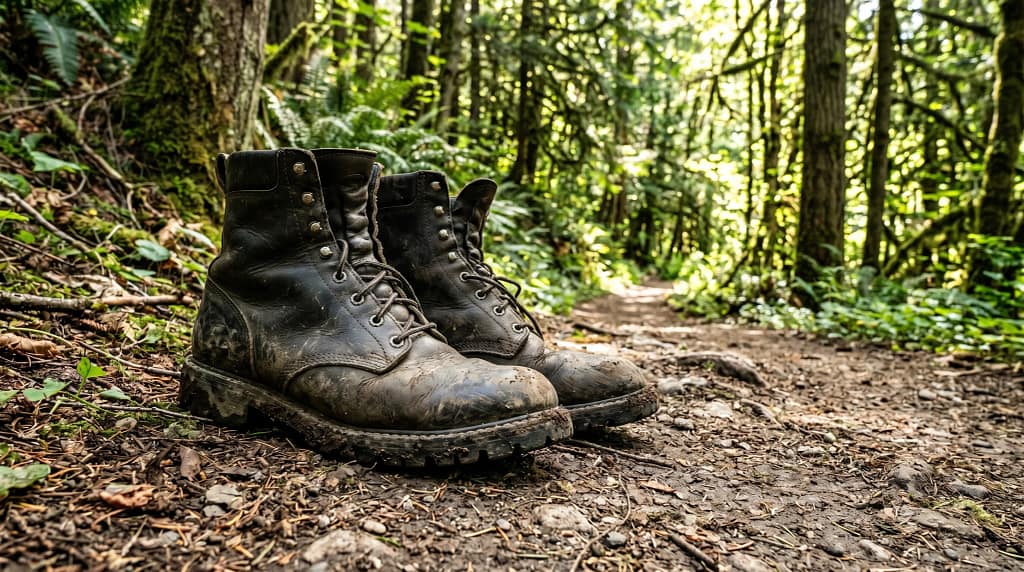
Best Trail Riding Boots For Comfort And Durability On Long Rides
Trail riding throws a lot at your feet. Mud, rocks, water crossings, and long hours in the saddle can all play havoc with your comfort. If you’re spending all day on horseback, your boots can easily make or break your ride. The right pair keeps you comfortable mile after mile and stands up to rough trails, while the wrong pair can leave you sore and worn out halfway through.
I’ve spent hours testing boots across all sorts of trails and weather, and I’ve noticed comfort and durability matter just as much as traction or looks. Whether you’re an experienced backcountry rider or just looking for boots that won’t quit on a weekend adventure, finding footwear that fits your riding style and trail conditions can change everything about your ride.
Here, you’ll find my top picks for the best trail riding boots. I’ll break down what to look for, go over several great options, and share what I’ve learned about keeping your feet pain-free on even the longest rides. No matter if you’re an old hand or just getting started, choosing the right pair will make your trail adventures a lot more enjoyable.
1. Key Features That Make a Great Trail Riding Boot
A quality trail riding boot should check a few important boxes. Over time, I’ve figured out the features that really matter for both comfort and how well the boots survive the elements. Finding boots with the right combination of support, materials, and construction methods makes a major difference in your trail riding enjoyment. Let’s check out the key factors.
- AllDay Comfort: You want flexible soles and cushioned footbeds that absorb shock. Stiff boots might feel supportive at first, but by hour three, you’ll wish you had something softer underfoot. A foam-padded insole or a gel insert can make those long hours much easier on your feet.
- Water Resistance: Trails can be damp and muddy, so waterproof leather or treated materials keep your feet dry. Even if you avoid water crossings, morning dew or sudden weather can soak through regular boots fast. Don’t underestimate the misery of riding with wet socks for hours!
- Support & Fit: A good fit stops blisters and foot ache. Look for boots with ankle support, especially if you’re riding on rough, uneven ground. Good ankle support also helps if you need to walk your horse down a steep section.
- Durability: Solid stitching, reinforced toe and heel, and thick outsoles will pay off after several seasons. Cheaply made boots break down quickly with regular use, leading to discomfort and extra expenses down the road.
- Traction: Outsoles should grip well both in the stirrup and if you have to hike sections of the trail. Look for deep lugs and sturdy materials that don’t wear down too quickly.
When I’m choosing trail boots, I always test how they feel after several hours rather than just a quick walk. That’s usually where comfort issues pop up, so finding something that still feels good late in the day is super important. Choosing boots that don’t pinch, rub, or sag after a while really pays off, no matter how tough the trail gets.
2. Top Boots For AllDay Comfort And Durability
Here are some trail riding boots that I recommend for their comfort and longevity. Each has nextlevel cool features that make it worth considering for different types of riders and trail conditions. These aren’t just what I’ve tried—they’re also popular choices on the trail and with other riders I’ve talked to.
- Ariat Terrain H2O: I’m a big fan of these for their waterproof construction and padded insole. They break in quickly, which saves you from dealing with blisters. I’ve used them through muddy trails and my feet have stayed dry. The outsole gives steady grip on wet rocks and loose dirt. They also clean up well after a tough day outside.
- Justin Gypsy Collection: If you like a classic western look but want a lighter boot, these offer great ankle support and a cushioned sole. They’re comfortable for walking the trail as well as riding and have held up season after season for me. I often see other riders picking these for their mix of style and practicality.
- KEEN Targhee III Mid: Designed more for riders who sometimes hike or spend time on foot, these are waterproof hiking boots with enough arch support for long trail rides. The tread is plenty aggressive, so I never slip when I have to dismount and walk tricky sections. They’re also breathable enough for longer summer rides.
- Twisted X CellSole: I first tried these at a trail riding expo and was surprised at how lightweight and breathable they are compared to most leather boots. The cell cushion system is great if you’re prone to sore feet by the end of a ride. They make long days less exhausting, and the slip-resistant sole is a bonus.
Of course, there are lots of options out there, but these are the ones I keep coming back to, and I regularly see other riders using them on the trail. Fit varies a bit brand to brand, so trying on a few pairs before you decide is always a good idea. If you can, test them with the socks you usually wear on the trail for a real feel.
3. How To Choose The Right Boot For Your Riding Style?
Choosing trail riding boots isn’t just about picking the most popular brand. Where you ride, how often you ride, and your personal comfort preferences play a pretty big role. Everyone’s adventure is different, and having the right boots for your situation makes rides more enjoyable and less painful.
- For Rocky/Uneven Trails: Supportive boots with rigid soles help reduce foot fatigue and give better protection from sharp objects. Fullgrain leather and reinforced toes come in handy. You’ll be glad for sturdy construction when you’re scrambling through tough terrain.
- For Wet/Muddy Conditions: Look for waterproof liners or treated leathers. Quickdrying boots are also pretty handy if you get caught in the rain or cross streams. Some boots even have features that let moisture out while keeping water from getting in.
- For Hot Weather: Breathable mesh panels or ventilation keep your feet from overheating on long rides. Lighter colors tend to stay cooler, too. Heat buildup is a real concern on dry, sunny trails, and good airflow in your boots makes rides much more pleasant.
- If You Like To Hike: Hybrid hiking/riding boots with flexible soles let you comfortably walk rough sections of trail as well as ride. A boot that works for both will cut down on the gear you need to carry.
If you mostly ride short distances or in predictable conditions, you can often get away with less expensive boots. But if you’re logging serious miles, investing in a pair that matches your style and the trails you tackle is well worth it. Comfort, durability, and the ability to handle your specific riding environment are key factors you shouldn’t ignore.
4. How to Make Your Trail Boots Last Longer?
Good boots can take a beating on the trail, but with a bit of basic maintenance, they’ll last you for years. Here’s what I do to keep my boots in good shape:
- Brush off dirt and mud as soon as you get home. Letting grime dry in the seams leads to faster wear and can break down materials.
- Let boots dry fully after wet rides. Avoid putting them right in front of a heater, since that can crack leather and damage waterproofing.
- Use leather conditioner regularly if you have leather boots. This keeps them supple and prevents cracking. For synthetic boots, look for care products specifically for those materials.
- Check the soles every few months and get them resoled if the tread wears down. This gives boots a second life and saves you the cost of frequent replacements.
I always recommend having a backup pair in case yours get soaked or need repair during a trip. Rotating boots also gives the interior a chance to fully dry out, which helps keep them smelling fresh and comfortable. Proper storage—like keeping boots out of hot, direct sunlight—also helps boots last.
5. Quick Tips For AllDay Foot Comfort
A few small things can make a huge difference when you’re out riding for hours:
- Invest in some quality socks. A good moisturewicking pair prevents blisters and keeps feet dry. Wool or coolmax blends work well for most weather.
- Check your laces or pullon tabs before heading out. If they’re fraying, you’ll want to replace them before they break midride. Carrying an extra pair of laces in your pack is always smart.
- Custom insoles can help if you have high arches or flat feet. I bring mine on every big ride and notice way less soreness the next day. Getting the right insole for your foot shape is a lowcost comfort boost.
- If you start feeling discomfort, stop and check for grit or small stones inside your boots. It sounds simple, but it saves a lot of misery, especially when you’re hours from home.
Finding boots that fit your feet and your style means more fun and fewer aches on the trail. Testing different models and taking care of your footwear pays off, especially when your adventures run long. Happy trails and happy feet mean you’ll want to get back in the saddle again and again, ready for whatever the path (or weather) throws your way.
Happy riding! 🐎
Build Your Online Business
and Learn Affiliate Marketing
See you there!
Our Unique Value Propositions
Discover why Chwals GPT is the top choice for equestrians looking
to build their online presence (register for free)
Tailored Equestrian Expertise – Community Connection – Intuitive User Experience


