
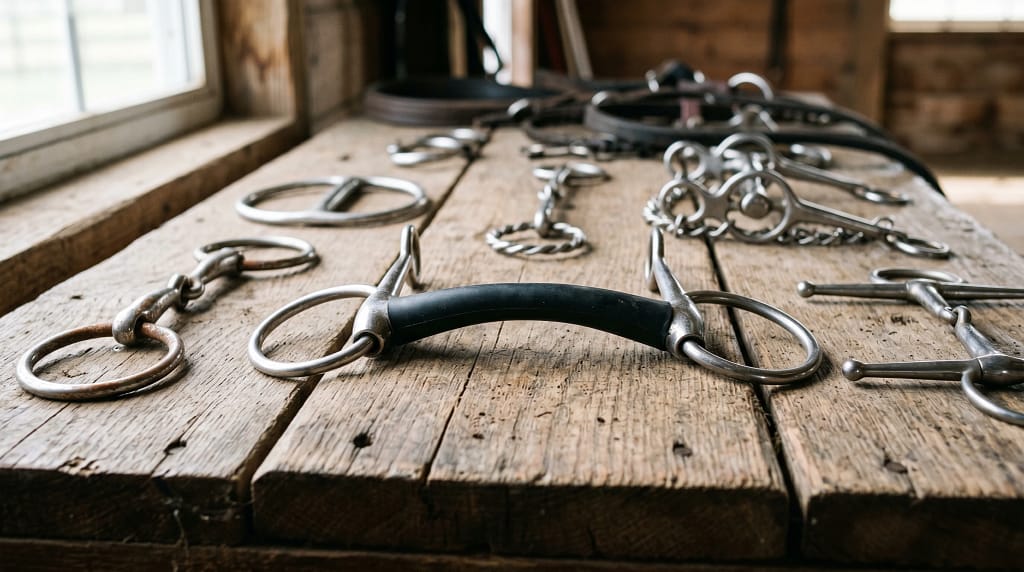
Choose The Right Bit For Sensitive Mullen Mouth Horses
Choosing the right bit for a sensitive mullen mouth horse can feel overwhelming, especially with all the different options out there. I’ve worked with quite a few fussy-mouthed horses, and I’ve learned that a bit choice really can make a huge difference in comfort, communication, and performance. For horses that love the feel of a mullen mouth but need a gentle touch, a thoughtful approach goes a long way.
A sensitive horse doesn’t just react to rough hands, but also feels every curve, joint, and pressure point of the bit in their mouth. When the goal is trust and easy two-way communication, finding the ideal mullen mouth bit for a sensitive horse is really important.
This guide will walk you through what you need to know about picking and fitting a mullen mouth bit that works for your horse. I’m sharing practical tips, specific bit features to consider, and my own experience in managing sensitive horses that go best in this style.
Understand the Mullen Mouth Bit and Sensitivity Issues
A mullen mouth bit has a straight or gently curved bar that sits across the horse’s tongue and bars (the toothless gap). There are no movable joints to pinch, so the mullen mouth lies steadily in the horse’s mouth, which some horses really love. The bit’s stable feel can be a real stress reliever for certain horses, especially those who hate the unpredictable motion of jointed bits.
Why Some Horses Prefer It
- Even pressure: There aren’t any moving joints, so pressure is spread fairly evenly across the tongue and bars.
- Less movement: The steady bar design can help nervous or busymouthed horses settle.
- Simpler design: Simple bits usually invite fewer behavioral issues for sensitive horses.
On the flip side, even this gentle bit can feel harsh if the fit isn’t right or if the horse’s mouth has its own quirks. Sensitive horses are sometimes called “fussy” or “bit picky,” but most of the time they’re just trying to avoid pain or confusion.
What Makes a Horse “Sensitive” to a Bit?
When I say a horse is “sensitive,” I mean they react strongly—even to soft signals. They might toss their head, gape their mouth, curl behind the bit, or generally act distracted under saddle. Some sensitive horses genuinely dislike pressure on certain areas, while others just need clear, consistent signals without anything sharp or pinching.
Common Reasons for Bit Sensitivity
- Thin skin or shallow bars in the mouth (these horses often have less “padding” around the bit)
- Old mouth sores or wolf teeth that make bits uncomfortable
- Poor past experiences with poorly fitting or jointed bits
- Dental issues or tongue conformation
If you’re noticing unhappy behaviors when bridling or riding, it’s worth checking for any underlying pain or injury before exploring bit options. Talk to a knowledgeable dentist or veterinarian who knows equine mouths. You’ll avoid a lot of headaches that way.
How to Choose a Mullen Mouth Bit for Sensitive Horses
There’s more to picking a gentle mullen mouth bit than just judging the thickness. The material, flexibility, mouthpiece shape, size, and cheek style all come into play. Here are some things I focus on:
Key Features to Look For
- Material: Go for softer materials like plastic, rubber, or leatherwrapped mullen mouths for really sensitive horses. Stainless steel is longlasting and smooth, but some horses find it too cold or rigid. Plastics like Nathe or Trust get warmer in the mouth and are a pretty popular choice among picky horses.
- Mouthpiece Thickness: Thicker doesn’t always mean gentler! Horses with small mouths or thick tongues can find a fat bit suffocating. I usually start by measuring the horse’s mouth and matching the bit width. A bar that’s about the same width as your little finger often works well (roughly 14-16mm), but thinner bits can suit tiny mouths or ponies.
- Shape and Curve: A gentle mullen with a slight curve usually sits more comfortably over the tongue compared to a completely straight bar. Some modern mullen designs are “anatomical,” following the natural curve of the horse’s mouth for extra comfort.
- Cheekpiece Style: Loose ring, eggbutt, Dring, and full cheek options are available. For especially sensitive horses, I like eggbutts or full cheeks; these don’t move around as much, creating a steadier feel with less risk of lip pinching.
If I’m not sure, I’ll usually borrow a few different types to see which my horse likes best. Some tack shops even offer trial brands, which is super handy for experimentation.
Fit the Bit? The Right Size Matters
A mullen mouth should sit comfortably in the gap between the horse’s teeth, without squishing the lips or creating wrinkles at the corners of the mouth. Too small and it pinches, too big and it slides everywhere. I measure mouth width in centimeters or inches, laying a smooth rod across the bars to check. Most horses do best with a little extra space (about 1/4-inch or 5-6mm beyond their measured width), especially with eggbutt or fixed cheek bits.
Watch for red flags like sores, uneven wear, or pinched lips after rides. Any of these signs tell me it’s time to refit or try something different.
Training and Handling Tips for Sensitive Mouthed Horses
Even the perfect bit won’t help much if the rider’s hands are harsh or inconsistent. For sensitive horses, I remind myself to:
- Keep my hands steady, lowpressure, and quiet
- Reward responsiveness right away to give a boost to confidence
- Stay out of the horse’s mouth unless I actually need a correction or to give a soft cue
Consider using a noseband adjusted loosely, so the horse isn’t forced to clamp their mouth shut. This makes it much easier for them to find comfort and confidence.
It’s also helpful to check your horse’s teeth and have their mouth checked out regularly. Sometimes sensitivity comes from sharp points or ulcers that a vet or dentist can easily fix. Planning regular checkups can save a lot of guessing and frustration, and help your horse stay comfortable for years to come.
Answers to Common Questions
Do mullen mouth bits work for all sensitive horses?
Not every sensitive horse loves a mullen mouth. Sometimes a doublejointed bit (like a lozenge or French link) feels softer to a horse that dislikes straightbar pressure. Testing a few gentle, jointless and jointed options helps track down what suits each horse best.
Do I need to use bit guards or sleeves?
Bit guards can help prevent pinching if you’re using a loose ring mullen mouth, but with eggbutt or Drings, you usually won’t need them. Rubber covers can add softness, but some horses gum or chew them, leading to unnecessary fussiness.
What about bitless options?
For especially sensitive horses that hate all bits, bitless bridles like sidepull or crossunder styles are worth checking out. Some horses just do better with pressure on the nose and poll instead of in the mouth.
Quick Action Plan? Make the Right Choice
Here’s how I keep things simple when choosing a bit for a sensitive mullenmouth horse:
- Measure your horse’s mouth for width and check mouth shape
- Pick a gentle, curved mullen mouth in a soft or warm material
- Choose a cheek style that limits movement and avoids pinching (eggbutt or full cheek are favorites)
- Test a few bits, start with loose hands, and see how your horse reacts
- Stay patient. You’ll know when you’ve hit the sweet spot for comfort and connection
The right bit doesn’t “solve” sensitivity, but it opens the door to better communication and confidence for both horse and rider. If you have questions or want to share your own experiences with bit fitting, feel free to comment below!
Enjoy your equestrian journey! 🏇
Build Your Online Business
and Learn Affiliate Marketing
See you there!
Our Unique Value Propositions
Discover why Chwals GPT is the top choice for equestrians looking
to build their online presence (register for free)
Tailored Equestrian Expertise – Community Connection – Intuitive User Experience


