Dressage is one of those horse riding disciplines that looks elegant and effortless on the outside. Once you step into the saddle, you quickly realize there’s a lot happening beneath the surface. For beginners, the idea of mastering all those precise movements can be a little intimidating. The good news is that with the right mindset and a solid understanding of the basics, anyone can get started and spot real progress. Here’s everything I wish I’d known when I started my own dressage adventure.
The Beauty and Basics of Dressage
Dressage often gets described as “ballet with horses.” It’s all about communication and harmony between rider and horse, where each movement looks smooth and controlled. At its core, dressage is a training method that helps horses become more balanced, responsive, and athletic. Even if you don’t plan to compete, learning basic dressage skills can make you a better, more thoughtful rider.
The origin of dressage goes back centuries, with roots in military training for cavalry horses. Today, it’s enjoyed everywhere, from grassroots riders to Olympic athletes. No matter your goal, those quiet basics you work on in dressage often lift up your confidence in the saddle, whether you’re riding in a field or doing a simple arena exercise.
Dressage has appeal not just because of the skill it develops, but because the training builds trust and clear communication with your horse. Riders start to pick up on their mount’s smallest efforts or signals. This helps guide the training process and turn everyday rides into moments of teamwork and learning.
Get Started With Dressage Training
Your first rides in dressage don’t require fancy tack or a purebred horse. All you really need is a calm, willing horse (a schoolmaster is a bonus), comfortable riding gear, and an open mind. Most beginner lessons are about developing your riding position and learning the building blocks of effective communication.
Here are a few dressage terms that pop up regularly:
- Contact: The soft, steady connection you keep with your horse’s mouth through the reins. Good contact is like holding someone’s hand, not tugging or pulling.
- Rhythm: The consistent, even beats in each gait (walk, trot, canter). No rushing or lagging—it’s like a horsey metronome.
- Inside/Outside: These refer to the direction relative to the arena. Inside is the side closer to the middle, outside is toward the rail or wall.
If you ever feel confused by dressage jargon or instructions, don’t hesitate to ask your instructor for clarification. Getting the hang of these basics early on makes for easier progress in future lessons.
First Steps? What Every Dressage Beginner Should Know
Starting dressage is mostly about refining the basics. Here are a few steps I found helpful when first learning:
- Find the Right Instructor: A trainer with a calm approach who can break things down for you is really important. Someone who knows how to pair beginner riders with suitable horses is a plus.
- Work On Your Position: Sitting tall with relaxed shoulders and a balanced seat makes a big difference. I found that videotaping rides or using mirrors in the arena really helps spot those sneaky posture habits.
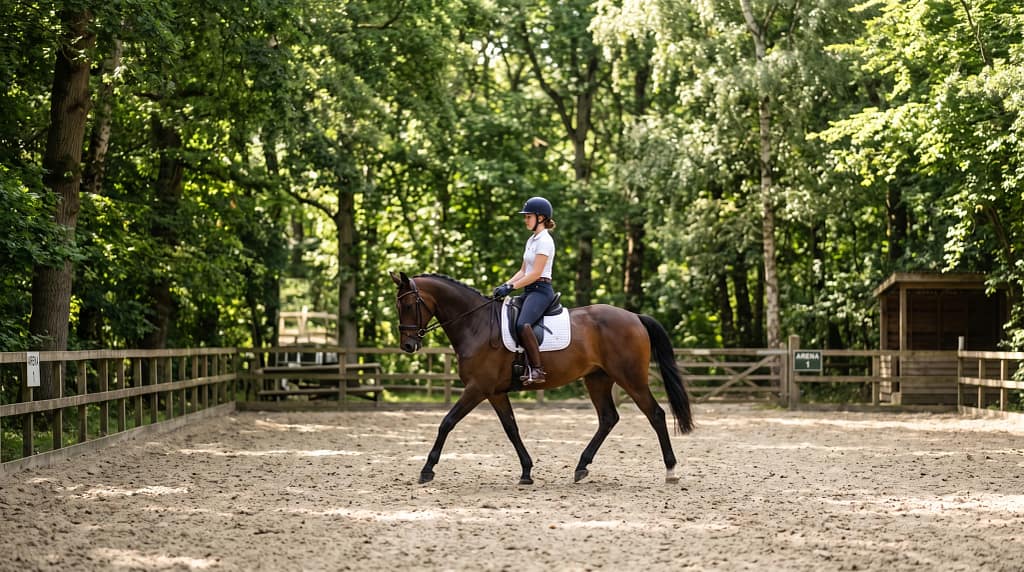
- Get to Know the Arena: Dressage tests use letters around the arena for patterns. Learning where A, C, E, B, and the rest are makes instructions easier to follow. Sometimes instructors use games or fun exercises to help beginners remember the arena layout.
- Master Transitions: Walk-halt, walk-trot, and trot-canter transitions are the bread and butter. Smooth, prompt changes improve balance and communication between you and your horse.
- Practice Circles and Serpentines: Riding accurate circles and serpentines is surprisingly tricky. These patterns teach your horse (and you) how to stay balanced and supple. They also help warm up the horse safely and make sure you both stay focused.
Sticking with these basics for a few months provides a strong foundation for everything else you’ll learn as you advance. Don’t hurry—enjoying your progress keeps things positive and fun for both horse and rider.
What To Consider Before You Step Into the World of Dressage
Dressage comes with challenges unique to the discipline. These are a few common bumps I hit, and how I learned to handle them:
- Patience Is Key: Progress in dressage may seem slow, but small improvements add up over time. Setting realistic goals with your instructor helps keep you motivated.
- The Cost Factor: Lessons, equipment, and show fees can be expensive, though beginner lessons usually don’t require a huge wallet investment. Local riding clubs often offer affordable group classes, which are worth checking out for new students.
- Horse Personality: Not every horse is born to love dressage, but almost all horses can benefit from the basics. If you’re leasing or borrowing, check in with your instructor about the best equine partners for your goals.
- Body Awareness: Dressage riders use subtle leg, seat, and hand cues. Developing this sort of control takes practice—a few yoga or Pilates classes on the side can be pretty helpful.
Develop Patience
I had days when nothing seemed to click, and my horse felt more like a bus than a ballet dancer. On those days, I focused on one small thing, such as a smoother halt or a more relaxed walk, instead of expecting big changes all at once.
Budget for Dressage
Most starter dressage tack is straightforward: a well-fitting saddle, a simple snaffle bridle, and comfortable gloves. As you move forward, you might want saddle upgrades, dressage whips, or specialized pads, but these can wait until you feel more confident.
Horse Partnerships
My most memorable early rides were on patient school horses who didn’t mind me wobbling around, trying to picture where my arms and legs were supposed to go. If you’re at a lesson barn, ask if they have experienced horses known for their safe, dependable nature.
Body Coordination
Dressage really makes you aware of how many body parts you have. It took me a while to see how a small shift in weight or a gentle squeeze with my calf could bring about a big change in my horse’s movement.
These hurdles are all part of the process. Approaching them as learning opportunities makes the ride smoother and a lot more fun.
How To Grow Your Dressage Skills? Tips for Once You’ve Got the Basics Down
Once you feel steady with the fundamentals, there are some practical ways to sharpen your skills and get into trickier movements.
Focus on Accuracy: Riding an even 20 meter circle or hitting the exact letter during transitions helps improve communication and tests your consistency as a rider.
Try Pole Work: Setting out ground poles gives your horse a new challenge and encourages straight movement and regular rhythm. It also keeps training interesting for both of you.
Read Dressage Tests: Even if you don’t plan to show, working through the patterns used in basic tests (like Intro or Training Level) gives structure to your rides. Many organizations, like the USDF or British Dressage, have free resources you can check out online.
Record Your Rides: Watching yourself on video can be a real eye-opener. I found small things to work on by studying my hand position, posture, and transitions from a different angle.
Keep Learning: Watching top riders or clinics on YouTube can be inspiring, and you can learn useful exercises or solutions for common issues. Books, podcasts, and online forums offer even more ways to stay involved and motivated.
Starter Equipment for Dressage Newbies
Having the right gear makes the whole process a little more comfortable and a lot safer. You don’t need to buy everything at once, but here’s a list of what’s helpful when you’re starting out:
- Saddle and Pad: A well-fitted English saddle (it doesn’t have to be a dressage saddle initially) with a plain, white or dark pad works well for most lessons.
- Bridle and Bit: Most beginners start with a simple snaffle bridle. Your instructor or tack shop can guide you if you’re not sure what your horse uses.
- Riding Helmet: Safety comes first. Pick a helmet that’s comfortable and meets safety standards for equestrian use.
- Comfortable Riding Pants and Boots: Breeches or jodhpurs with half chaps or tall boots help you keep a steady leg position. Gloves can also be useful for grip and comfort.
Later on, you might want to add equipment like a dressage whip, spurs, or a dressage show coat if you decide to take part in local shows. For basic training, though, these essentials are all you need to get going confidently and safely.
Why Start Dressage? Key Benefits for Beginners
- Improved Balance: Dressage basics help you ride with better balance and less effort, whether you ride for fun or try other horse sports.
- Horse Friendliness: Horses trained with dressage methods usually turn out more relaxed and easier to ride for everyone, not just their main rider.
- Stress Relief: There’s something truly calming about focusing on rhythm, breathing, and movement. Dressage rides can be a great mental break from a busy day.
A lot of new riders also stumble upon a sense of accomplishment as they feel tiny improvements stacking up week after week.
Dressage for Beginners? Frequently Asked Questions
Plenty of beginners have questions about what getting started with dressage actually looks like on the ground. Here are a few common ones:
Q: Do I need a special horse to try dressage?
A: Not at all. Any healthy, willing horse can gain from dressage training, even if they’re not a “dressage breed.”
Q: How often should I practice?
A: Consistent, short practice sessions (2 to 4 times a week) help form good habits and give your horse time to understand new lessons.
Q: Is dressage safe for total beginners?
A: Yes, especially with the right instructor and a steady, kind horse. Always start at a pace where you feel confident and safe.
Q: What’s the best way to stay motivated?
A: Working toward simple goals, riding with friends, and keeping a journal of your progress all help keep things fun and rewarding.
Get the Most Out of Your Dressage Adventure
Learning dressage is kind of like picking up a new language—you and your horse find better ways to communicate as you go. Even as a beginner, sticking to the basics, building a routine, and enjoying every step brings out the best in you and your horse. The moments where everything just falls into place, even for a few strides, make every bit of practice worthwhile.
Ready to give dressage a go? All those small breakthroughs and connections really stack up. Saddle up and see where it takes you, because you might find yourself hooked faster than you think.
Breeds of Horses and Their Characteristics on Amson
Understanding horses on Amazon
Enjoy your equestrian journey! 🏇
Build Your Online Business
and Learn Affiliate Marketing
See you there!
Our Unique Value Propositions
Discover why Chwals GPT is the top choice for equestrians looking
to build their online presence (register for free)
Tailored Equestrian Expertise – Community Connection – Intuitive User Experience