
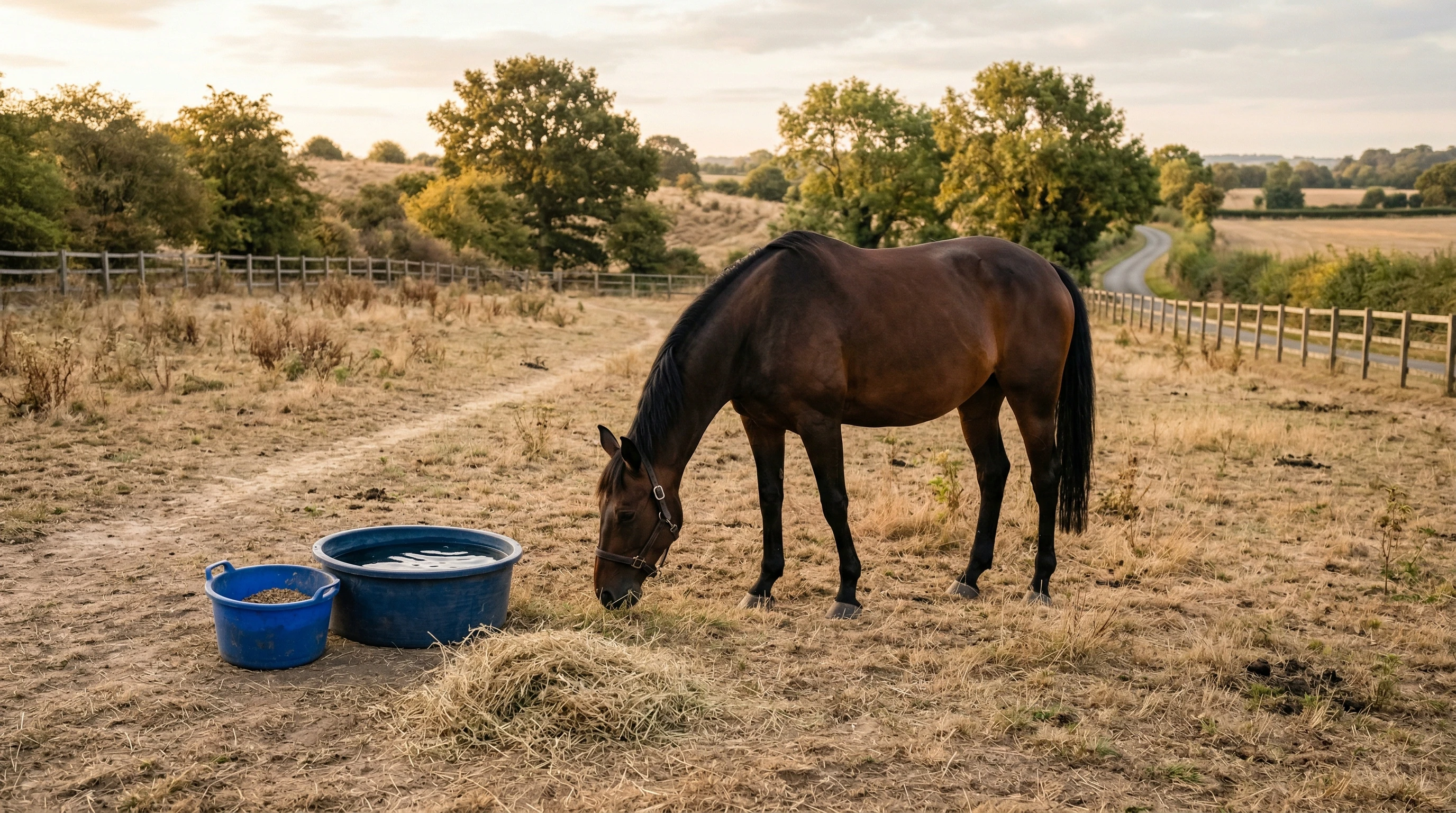
Equine Metabolic Syndrome Low-sugar Feeding Schedule Template
Feeding horses diagnosed with Equine Metabolic Syndrome (EMS) takes some thoughtful planning. EMS horses are prone to insulin resistance, obesity, and a higher risk of laminitis. Creating a feeding schedule that keeps sugar and starch intake low can make a real difference in their daily health and comfort. Over the years, I’ve seen how following a careful plan helps EMS horses thrive, so I’m sharing my own experience and a practical template for anyone managing a horse with this condition.
Understand Equine Metabolic Syndrome and Diet
Equine Metabolic Syndrome shows up with signs like an easykeeping body, fat pads around the neck and tail base, and even a tendency toward hoof issues. I notice my EMS horse gets tender feet after eating lush grass or grain, so I stay on alert for early warning signs.
Insulin resistance is at the heart of EMS. When horses eat feeds high in sugar (also called nonstructural carbohydrates or NSC), their bodies release a lot of insulin. Since their cells don’t respond properly, the pancreas keeps working overtime, which can lead to dangerous spikes in blood sugar. Managing diet is one of the most useful ways to help minimize these effects and help my horse feel better day-to-day.
Why Low-Sugar Feeding Matters with EMS Horses
I’ve learned that for EMS horses, what’s in the bucket matters just as much as how often they eat. Feeding plans focused on lowsugar and lowstarch foods help control insulin production. High NSC feeds, like sweet feeds, grains, and even some kinds of hay, can trigger major problems for horses with EMS.
Aiming for total NSC content (sugars plus starches) below 10% in hay and feeds is a good target, based on advice from many equine veterinarians and nutritionists. Soaking hay to remove extra sugars and choosing commercial feeds specifically labeled for low NSC levels have made a positive change in my horse’s weight, energy, and hoof health.
Get Started Setting Up a Low-Sugar Feeding Schedule
Setting up a feeding schedule for an EMS horse means creating a steady routine with suitable ingredients. Consistency and timing keep blood sugar balanced all day. Here’s how I get started:
- Test the Hay: I get my hay tested for NSC levels. Many feed labs offer this, and some local extension offices have affordable analysis options.
- Soak the Hay: If the hay tests above 10% NSC, I soak it in cool water for at least one hour, then drain before feeding.
- Avoid Pasture Grazing: During peak grass growth, I keep my EMS horse off pasture or use a grazing muzzle if turnout is necessary. Some horses do better with dry lots and hay only.
- Feed Small, Frequent Meals: I split the daily ration into three to four feedings, which keeps insulin levels more even and helps prevent hungertriggered stress.
Sample Low-Sugar Feeding Schedule Template
The right feeding schedule uses forage as the foundation, with added supplements as needed to meet all nutritional needs. Here’s the template I rely on for my EMS horse, but it’s always good to consult a vet or equine nutritionist for specific advice:
- 7:00 AM: Weighed portion of soaked, low NSC hay (about 1.5-2% of body weight per day, divided over feedings).
- 12:00 PM: Small midday hay meal (soaked if needed), plus a vitamin/mineral balancer with low or no sugar/starch content.
- 5:00 PM: Main evening hay meal (again, weighed and soaked if appropriate).
- 9:00 PM: Final small portion of hay to keep the gut working overnight and prevent food anxiety.
For my 1,100pound horse, that’s about 17-22 pounds of hay per day, split into four meals. I measure hay with a scale for accuracy, since guessing can lead to overfeeding or underfeeding, which cause problems for metabolic horses.
Choose Forage and Balancers for EMS Horses
I skip all grains, sweet feed, and high calorie treats. Instead, I focus on clean, dustfree grass hay tested to ensure NSC levels are within a comfortable range. Alfalfa can be tricky, as it often carries more calories, so I reserve this only for special cases, and even then, just a small amount.
Not all hay is created equal. Ryegrass and rich, lush hays tend to be high in sugars, while timothy, orchard grass, and mature mixed grass hays usually work better for EMS horses. If my local supply is limited, soaking becomes even more important.
I also add a mineral and vitamin balancer specifically formulated for horses on foragebased diets. These products give important nutrients without added calories or sugars. Many feed stores carry options labeled for metabolic or sugarsensitive horses (like Vermont Blend, California Trace, or HorseTech High Point Low NSC).
Handle Supplements and Treats
I keep supplements simple. Salt is always available, and I provide a mineral block in the stall. If a vet identifies deficiencies, I add specific supplements like magnesium or vitamin E, but I avoid any that use molasses or grain byproducts as a carrier.
Treats are kept rare. If I do offer something special, I stick with a small slice of carrot, a piece of celery, or a commercial lowsugar treat. Even then, I watch for any changes in energy or hoof comfort and back off if I notice signs of sugar sensitivity, such as foot soreness or new fat pads. It is also important to take into account your horse’s preferences. Some horses may enjoy a crunchy treat while others like soft, chewy options—always make sure whatever you give is lowsugar and safe for EMS horses.
Challenges and Solutions for EMS Low-Sugar Feeding
- Forage Quality and Availability: Sometimes, finding low NSC hay is tough in my area. When that happens, soaking is my backup, or I reach out to hay brokers and nearby farms for options. Keeping in touch with other horse owners also helps open up new hay resources in a pinch.
- Herd Feeding Issues: If my EMS horse lives with others who get standard feed, I use a slow feeder or separate stall to prevent access to the wrong foods. Setting up feeding times when the EMS horse is separated is a routine that can work well—you can make sure the horse only gets the right feed and there’s no stress around meals.
- Nighttime Anxiety or Pacing: For horses who fret when the hay runs out, slow feeders or multiple small, evenly spaced portions help reduce stress and keep gut health stable. Extra monitoring at night and adjusting portion sizes has helped my horse settle down and stay comfortable during long evenings in the stall.
Soaking Hay: Step-by-Step
I place the daily portion in a large hay net, soak in a clean tub with cool water for 60 minutes, then let it drain before serving. Research suggests most sugars leach out in the first hour. I never soak for more than two hours to avoid losing valuable nutrients. Used water gets dumped away from the barn so puddles and flies don’t become a problem, keeping everything clean and safe for the horses.
Why Soaking Matters
Soaking hay can lower NSC by about 30%, based on studies from places like Kentucky Equine Research. This process helps my horse enjoy healthy, gutfriendly hay without risking laminitis or weight gain. Testing and soaking together have made a clear difference in my horse’s weight and comfort. Other horse owners in my barn have noticed the benefits for their metabolic horses, confirming that consistent soaking practices can really pay off.
Daily Life Example? EMS Feeding in Practice
On a typical day, I check the weather first thing to see if pasture is extra lush, since rain and sun make grass sugars spike. I prepare my horse’s soaked hay for breakfast, doublecheck the digital scale, and add a vitamin/mineral balancer. Throughout the day, I split feedings and keep a supply of fresh, clean water. I use a grazing muzzle only if turnout is necessary, with a close eye on my horse for any signs of foot tenderness. Sometimes, on really sunny days, I make extra sure the hay is well-soaked to keep sugar intake down.
By sticking to my schedule, my EMS horse maintains good weight, clear eyes, and healthy feet. Although setting up this routine takes more effort, it keeps both of us relaxed and brings peace of mind that my horse is getting exactly what she needs. It’s also built a sense of routine and trust between us—my horse knows when to expect her meals and there’s less sifting for scraps or showing food anxiety.
Frequently Asked Questions about EMS Low-Sugar Feeding Schedules
Question: What if I can’t test my hay?
Answer: Choose mature grass hays like timothy or orchard grass and soak before feeding. While not as precise as testing, this method still lowers sugars considerably. It’s always better to err on the side of caution by soaking new hay batches just in case the NSC is higher than you think.
Question: Is pasture ever safe for EMS horses?
Answer: Some managed pasture can work using a muzzle and limiting turnout to early morning or late evening when sugars are lowest, but it’s safest to use dry lots with hay if you can. Regularly check your horse’s hooves and body for any signs of trouble—constant observation is key to catching issues early.
Question: Can I feed commercial feeds with “low starch” on the label?
Answer: Only use feeds with verifiable NSC below 10%, and avoid any with molasses or added grains. Many brands now provide lab analysis to back up their claims, so I always check before buying. If you’re unsure, ask your vet or nutritionist for recommendations on safe feeds for metabolic horses.
Low-Sugar Feed Schedule and Daily Wellness
Sticking to a lowsugar feed schedule is one of the most reliable ways I have found to support my EMS horse’s ongoing wellness. A consistent, foragebased routine keeps weight and energy steady and brings peace of mind that every meal is working to help, not hurt, my horse. Friends and barn mates often ask about the process, but my message remains: steady, simple routines with low NSC foods help EMS horses enjoy a full, active life. With thoughtful planning and routine checks, anyone can support the daily health and comfort of a horse with EMS.
Understanding horses on Amazon
Build Your Online Business
and Learn Affiliate Marketing
See you there!
Our Unique Value Propositions
Discover why Chwals GPT is the top choice for equestrians looking
to build their online presence (register for free)
Tailored Equestrian Expertise – Community Connection – Intuitive User Experience


